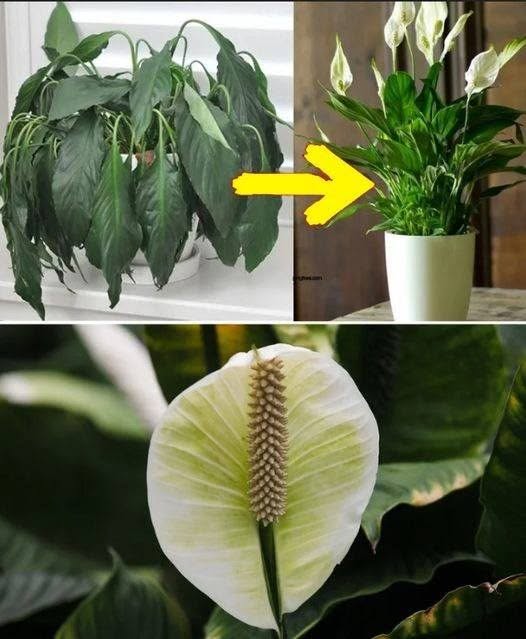
Wondering what happens when you add a tablespoon of a common household ingredient to your plants? Learn which ingredients may help, which can harm plants, and how to use simple soil-care methods safely.
Place a Tablespoon on Any Plant at Home: What to Expect
You may have seen viral gardening advice claiming that placing one tablespoon of a household ingredient on any plant can make it grow faster, produce more flowers, or revive unhealthy leaves.
But there is an important catch: there is no single ingredient that is safe and beneficial for every plant. Different plants have different soil, nutrient, moisture, and pH requirements.
Before putting anything into your pot, it’s worth understanding what it actually does.
Why a Tablespoon Can Make a Difference
A tablespoon may seem like a tiny amount, but in a small plant pot it can significantly change the concentration of substances around the roots.
Depending on the ingredient, it could:
- Add nutrients
- Change soil pH
- Increase salt levels
- Affect moisture
- Alter microbial activity
- Damage delicate roots
That’s why a homemade plant remedy should never be treated as a universal fertilizer.
Baking Soda: Use With Caution
Baking soda is sometimes recommended online as a plant “booster,” but it isn’t a general-purpose fertilizer.
Adding too much sodium bicarbonate to soil can increase sodium levels and alter soil chemistry. Sensitive plants may respond poorly.
If you’re trying to improve plant growth, a fertilizer specifically formulated for the plant is generally a better choice.
Epsom Salt Isn’t a Universal Fertilizer Either
Epsom salt contains magnesium and sulfur, two nutrients plants need. However, adding it to every plant isn’t automatically beneficial.
If your soil already contains enough magnesium, additional Epsom salt may provide little benefit and can contribute to an unnecessary buildup of salts.
Use it only when a soil test or reliable plant-care guidance indicates that magnesium supplementation is appropriate.
What About Coffee Grounds?
Coffee grounds are another popular home gardening remedy.
Used coffee grounds can contribute organic matter when properly composted, but putting a tablespoon directly around every plant isn’t a guaranteed way to make plants grow faster.
Fresh or excessive amounts can create problems, particularly in containers.
The Safest Approach: Feed the Plant for Its Actual Needs
Instead of following a one-size-fits-all recipe, identify the plant first.
For example:
- Succulents generally prefer well-draining soil and relatively infrequent watering.
- Herbs often need plenty of light and appropriate nutrients.
- Flowering plants may have different nutrient requirements depending on their growth stage.
- Houseplants vary considerably in their tolerance for moisture and fertilizer.
Before Adding Anything, Check These 4 Things
1. Soil Moisture
Don’t automatically add water or a homemade treatment if the soil is already wet.
2. Light
Insufficient light is a common reason houseplants become weak or leggy. Adding fertilizer won’t compensate for inadequate light.
3. Drainage
A pot without adequate drainage can cause roots to remain wet for too long, increasing the risk of root problems.
4. Nutrient Needs
If the plant appears unhealthy, identify the likely cause before adding nutrients. Yellow leaves, for example, can have many possible causes.
A Better “One-Tablespoon” Habit
If you want a simple routine, use the amount of fertilizer recommended on the product label for your specific plant and pot size rather than assuming one tablespoon is appropriate.
More fertilizer doesn’t necessarily mean faster growth. Excess nutrients can actually damage roots and cause leaf problems.
Final Takeaway
The idea of putting one tablespoon of a household ingredient on any plant sounds simple, but plants aren’t one-size-fits-all.
Before adding anything to your soil, identify the plant, understand its needs, and use a suitable fertilizer or soil amendment in the recommended amount. A little can help when it’s the right substance—but the wrong tablespoon can do more harm than good.