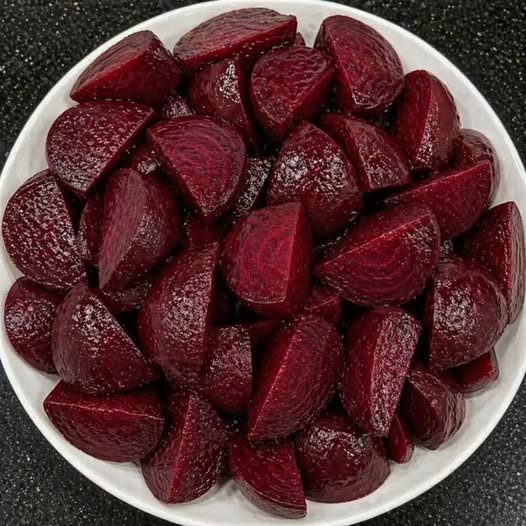
Discover the scientifically supported health benefits of beets and fermented beets, including blood-pressure support, exercise performance, antioxidants, and gut-health potential. Learn what research actually proves and what remains uncertain.
Proven Health Benefits of Beets and Fermented Beets: What Science Really Says
Beets are more than a colorful addition to salads. These deep-red root vegetables contain dietary nitrate, betalain pigments, folate, potassium, fiber, and other plant compounds that have attracted considerable scientific interest.
Beetroot juice, in particular, has been studied in randomized clinical trials and systematic reviews for its effects on blood pressure and physical performance. Fermented beets are also gaining popularity because fermentation can introduce beneficial microorganisms and alter the nutritional profile of the food.
But there is an important distinction between what has been well demonstrated in human research and what is still a promising possibility.
Let’s look at the evidence.
1. Beets May Help Lower Blood Pressure
One of the best-supported benefits of beetroot is its potential effect on blood pressure.
Beets are naturally rich in inorganic nitrate. In the body, nitrate can be converted into nitrite and ultimately nitric oxide, a molecule involved in blood-vessel relaxation and blood flow.
A systematic review and meta-analysis of randomized trials found that beetroot juice supplementation was associated with an average reduction in systolic blood pressure of about 3.6 mmHg and a smaller reduction in diastolic blood pressure.
Research specifically involving people with hypertension has also found a significant reduction in systolic blood pressure. A meta-analysis of seven randomized trials involving 218 participants found an average systolic reduction of approximately 4.95 mmHg, although the evidence for diastolic pressure was less convincing.
What does this mean?
Beets may be useful as part of a heart-healthy diet, but they shouldn’t be considered a replacement for prescribed blood-pressure medication.
If you take blood-pressure medication, regularly consuming concentrated beetroot products could potentially contribute to lower blood pressure, so monitoring is sensible.
2. They May Support Better Blood Flow
The nitrate-to-nitric-oxide pathway is one reason researchers are interested in beetroot.
Nitric oxide helps regulate blood-vessel dilation. Better nitric-oxide availability can improve vascular function and blood flow.
This doesn’t mean beets “clean your arteries” or reverse blocked arteries. Those claims go beyond the evidence.
Rather, research suggests that dietary nitrate can influence vascular physiology and blood pressure.
3. Beets May Improve Certain Types of Exercise Performance
Another well-researched benefit involves physical performance.
A large systematic review and meta-analysis examining 123 studies and 1,705 participants found that nitrate ingestion was associated with a modest improvement in exercise performance. Beetroot juice and high-nitrate diets showed particularly relevant effects.
The researchers found that nitrate appeared particularly useful for exercise lasting approximately 2–10 minutes.
This may be because nitric oxide can help improve the efficiency of oxygen utilization and blood flow during exercise.
However, the effect isn’t universal.
Some research has found little or no meaningful improvement during certain high-intensity interval or sprint protocols.
So it is more accurate to say:
Beetroot may modestly improve performance in certain types of exercise—not that it automatically makes everyone stronger or faster.
4. Beets Provide Antioxidant Plant Compounds
The intense red-purple color of many beets comes largely from pigments called betalains.
These compounds have antioxidant and anti-inflammatory activity in laboratory and experimental research.
Beets also provide other nutrients and phytochemicals that contribute to an overall nutritious diet.
However, claims that beets “detox the body” or “remove toxins from the blood” are misleading.
Your liver, kidneys, lungs, and other organs already perform the body’s major detoxification functions.
A better description is that beets provide plant compounds that may help support normal cellular and antioxidant defenses.
5. They Can Contribute to a Heart-Healthy Diet
Whole beets contain fiber and several micronutrients, while their naturally occurring nitrate content makes them particularly interesting from a cardiovascular perspective.
Eating beets as part of a diet rich in vegetables, fruits, whole grains, legumes, nuts, and other minimally processed foods can contribute to overall cardiovascular health.
The strongest evidence, however, concerns blood pressure and nitrate-related vascular effects, rather than proof that eating beets prevents heart attacks or strokes.
That’s an important distinction.
6. Fermented Beets May Offer Additional Gut-Health Potential
Fermented beets are different from ordinary cooked or raw beets.
During fermentation, microorganisms such as lactic-acid bacteria can transform carbohydrates and other components of the food.
Depending on the fermentation method, a properly fermented product may contain live microorganisms and fermentation-derived compounds that could interact with the gut microbiome.
This is why fermented vegetables are being studied for potential effects on digestive and microbial health.
However, the evidence specifically proving that fermented beets themselves improve human gut health is much more limited than the evidence for beetroot and blood pressure.
In other words:
The general benefits of fermented foods should not automatically be presented as proven benefits of fermented beets.
7. Fermentation May Change the Nutritional Profile
Fermentation can alter the availability and concentration of various compounds.
It may:
- Produce organic acids
- Change flavor and texture
- Introduce or maintain certain microorganisms
- Alter the availability of some nutrients and plant compounds
- Help preserve vegetables under appropriate conditions
The exact result depends heavily on the microorganisms used, salt concentration, temperature, fermentation time, and storage conditions.
Therefore, not every jar of “fermented beetroot” will have the same nutritional characteristics.
8. Fermented Beets Are Not Automatically Better Than Fresh Beets
It’s tempting to assume that fermentation makes a food dramatically healthier.
That’s not necessarily true.
Fresh or cooked beets already provide valuable nutrients and nitrate. Fermentation adds a different dimension, particularly potential effects related to microorganisms and fermentation products.
For cardiovascular benefits, much of the strongest human evidence is based on beetroot juice or dietary nitrate, not specifically fermented beetroot.
So there’s no scientific basis for saying fermented beets are universally superior to fresh beets.
9. What About the Gut Microbiome?
The gut microbiome is an active area of research.
Fermented foods may introduce microorganisms and fermentation products that interact with the digestive system. Some clinical research on fermented foods has suggested potential effects on immune and inflammatory pathways.
But research on fermented beets specifically is not yet strong enough to claim that eating them will “heal your gut,” cure digestive disease, or permanently rebalance your microbiome.
Those statements are considerably stronger than current evidence supports.
10. Beets May Be Useful for Active Adults
For people who exercise regularly, beetroot can be an interesting food because of its nitrate content.
Research suggests dietary nitrate can provide small performance benefits under certain circumstances, especially for moderate-to-high-intensity exercise lasting several minutes.
Some athletes therefore use beetroot juice before training or competition.
But a glass of beetroot juice shouldn’t replace a balanced diet, adequate carbohydrate intake, protein, hydration, sleep, and appropriate training.
11. Whole Beets Also Provide Fiber
Unlike beetroot juice, whole beets retain their natural fiber.
Fiber contributes to digestive health and can help make meals more filling.
If you’re choosing between whole beets and juice for everyday nutrition, whole beets can therefore offer an advantage because you’re getting the vegetable in a less processed form.
Juice, however, has been the form most commonly studied in nitrate research.
12. Beets Can Temporarily Change Urine and Stool Color
One harmless effect can surprise people.
After eating beets, urine or bowel movements can sometimes become pink, red, or reddish-purple.
This is commonly called beeturia when referring to red urine.
It can look alarming, but beet pigments can cause this color change.
Nevertheless, unexplained blood in urine or stool should not automatically be attributed to beets—particularly if you haven’t recently eaten them or if other symptoms are present.
How to Eat Beets
There are several simple ways to include beets in your diet:
- Roast them with other vegetables
- Add cooked beets to salads
- Blend them into smoothies
- Use beetroot in soups
- Eat fermented beets as a side dish
- Add grated raw beetroot to salads
- Use beetroot juice occasionally
For fermented beets, choose products that have been prepared and stored safely.
A Note About Beetroot Juice
Research on blood pressure and exercise frequently uses beetroot juice with a measured nitrate content, rather than an ordinary homemade juice whose nitrate concentration can vary considerably.
Therefore, the results of a clinical trial cannot necessarily be translated into a specific amount of homemade beet juice.
Who Should Be Careful?
Beets are generally nutritious for most people, but concentrated beetroot products aren’t appropriate for everyone.
People with a history of certain kidney stones, particularly calcium oxalate stones, may need to discuss their intake of high-oxalate foods with a healthcare professional.
People taking blood-pressure medication should also be mindful that beetroot can have a blood-pressure-lowering effect.
And if you have kidney disease or have been instructed to restrict potassium, ask your healthcare professional about appropriate portions.
What Science Supports—and What It Doesn’t
Relatively strong evidence
✓ Blood-pressure reduction: Supported by multiple randomized trials and meta-analyses, particularly for systolic blood pressure.
✓ Certain exercise-performance benefits: Supported by systematic reviews, although effects vary depending on the exercise and individual.
✓ Dietary nitrate and nitric-oxide-related effects: Supported by substantial physiological and clinical research.
Promising but not established specifically for fermented beets
• Gut microbiome benefits
• Probiotic effects
• Additional benefits from fermentation-derived compounds
These areas are scientifically interesting, but more human research specifically involving fermented beetroot is needed.
Claims that should be avoided
Beets should not be advertised as a cure for:
- Cancer
- Diabetes
- High blood pressure
- Artery blockages
- Liver disease
- Kidney disease
- Inflammation
- “Toxin buildup”
A nutritious food can support health without being a medical cure.
The Bottom Line
Beets have a legitimate scientific basis behind several of their health benefits.
The strongest human evidence suggests that beetroot—particularly nitrate-rich beetroot juice—can modestly lower blood pressure and may improve performance during certain types of exercise.
Fermented beets are also an interesting food because fermentation can introduce microorganisms and create new compounds, but the evidence specifically proving major health benefits from fermented beets is still developing.
So rather than thinking of beets as a miracle food, think of them as what they really are: a nutrient-rich vegetable with well-studied nitrate-related effects and promising additional properties.
Adding them regularly to a varied, minimally processed diet can be a sensible way to increase vegetable intake while taking advantage of their naturally occurring nutrients and plant compounds.