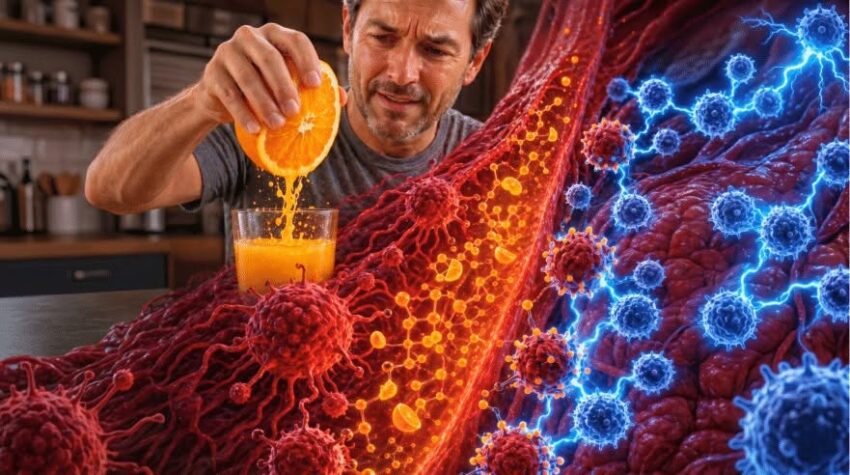
Cancer is difficult to treat partly because some cancer cells can survive treatment, spread to other parts of the body, and develop resistance to therapy. This has led researchers to investigate naturally occurring compounds in foods and plants for potential anti-cancer effects.
One compound that has attracted scientific interest is urolithin A, a substance produced by gut bacteria after eating foods containing ellagitannins, particularly pomegranates, berries, and some nuts.
🍎 What Makes Urolithin A Interesting?
Laboratory research suggests that urolithin A may influence mitochondrial function and cellular recycling (mitophagy). These processes help cells remove damaged components and maintain healthy mitochondria.
Some experimental studies have found that urolithin A can affect pathways involved in cancer-cell survival and growth. This is particularly interesting because cancer cells often alter their metabolism and cellular maintenance systems to survive under stressful conditions.
However, this research is still largely preclinical. Findings from cells or laboratory animals do not automatically mean that eating a particular fruit or taking a supplement will prevent or cure cancer in humans.
❤️ Why Researchers Are Studying Fruit-Derived Compounds
Fruit contains numerous biologically active substances, including:
- Polyphenols
- Flavonoids
- Anthocyanins
- Ellagitannins
- Carotenoids
- Vitamin C and other antioxidants
Scientists are investigating whether some of these compounds can influence inflammation, oxidative stress, cell signaling, and other processes associated with cancer.
Important Reality Check
There is currently no single fruit compound proven to “take away” the dangerous nature of cancer or eliminate cancer in people.
If you’re interested in supporting overall health, eating a varied diet rich in fruits, vegetables, whole grains, beans, and other minimally processed foods is a much more evidence-based approach than relying on one supposed cancer-fighting ingredient.
And if someone has cancer, fruit or a supplement should never be substituted for prescribed cancer treatment.
Meta Description: Researchers are investigating natural compounds from fruits and their potential effects on cancer-related cellular pathways. Learn what the science says about urolithin A, where it comes from, and why promising laboratory findings don’t yet mean a cancer cure.