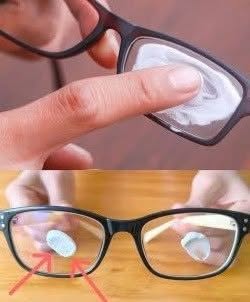
Scratched glasses can be frustrating, but before trying a DIY remedy, learn which methods may help, which can damage lenses, and when replacement is the safest option.
Scratches on Glasses? Don’t Waste Your Money—Try This Before Replacing Them
A scratch on your glasses can be annoying, especially when it catches the light or sits directly in your line of vision. Before spending money on a new pair, you may be tempted to try a quick household remedy.
But there’s an important catch: there is no reliable household substance that can make a genuine lens scratch disappear instantly. Many viral hacks involve toothpaste, baking soda, polishing compounds, or other abrasive materials, and these can make the lenses worse.
Why Scratches Are Difficult to Remove
Most modern eyeglass lenses are made from plastic materials with protective coatings. When a scratch develops, the damaged area isn’t simply dirt sitting on the surface.
Trying to “polish” the scratch away can remove or distort the surrounding lens material or damage coatings such as anti-reflective and UV-protective layers.
That can leave you with cloudy patches, distorted vision, or additional surface damage.
First, Make Sure It’s Actually a Scratch
Sometimes what looks like a scratch is actually:
- Dried water deposits
- Fingerprints or skin oils
- Dust trapped on the lens
- Residue from cleaning products
- Damage to an optical coating
Before doing anything else, gently rinse the lenses with clean, lukewarm water and use a small amount of lotion-free dishwashing liquid. Dry them with a clean microfiber lens cloth.
Never wipe dusty lenses aggressively while they are dry, because particles can create additional scratches.
What About Toothpaste?
Toothpaste is frequently recommended online as a DIY scratch remover. However, toothpaste is mildly abrasive, and rubbing it onto an eyeglass lens can damage the lens surface or its coatings.
The same concern applies to baking soda and other abrasive powders.
So although these tricks may appear to improve the appearance of certain surfaces, they aren’t a dependable solution for prescription eyewear.
What Should You Do With a Real Scratch?
If cleaning doesn’t remove the mark, inspect whether it affects your vision.
A tiny scratch outside your main field of view may simply be an annoyance. But a deep scratch directly in front of your eye can create glare and visual distortion.
For expensive prescription lenses, an optician or eyewear professional can tell you whether the lens can be safely replaced or whether the entire pair needs updating.
A Simple Rule to Remember
Clean the lens—don’t sand or polish it.
If a mark disappears after proper cleaning, it was probably residue rather than a scratch. If it remains, avoid aggressive DIY treatments that could permanently damage the lens.
Your glasses may be cheaper to replace than your viral “miracle hack” makes them.