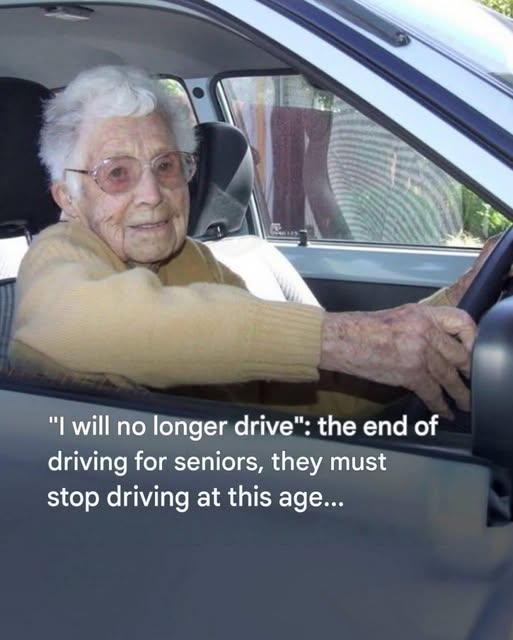
Learn everything older drivers need to know about senior driving licences, renewal requirements, medical checks, aptitude tests, age-related restrictions, and safe driving responsibilities.
Senior Driving Licence: A Complete Guide to Obligations and Aptitude Tests for Older Drivers
Driving provides independence, freedom, and convenience at almost any age. For older adults, however, maintaining a driving licence may involve additional responsibilities designed to ensure that they can continue driving safely.
As people get older, changes in eyesight, hearing, reaction time, strength, mobility, and concentration can affect driving ability. This does not mean that every senior driver must stop driving. Instead, many licensing systems use renewal procedures, medical assessments, or driving aptitude tests to determine whether an older motorist remains fit to drive.
Do Older Drivers Have Special Licence Requirements?
The rules for senior drivers vary considerably depending on the country, state, or province. Some jurisdictions require more frequent licence renewals after a certain age, while others may request vision checks, medical documentation, or an in-person renewal.
There is no universal age at which someone automatically becomes unfit to drive.
Licensing authorities generally focus on driving ability and fitness, rather than age alone.
What Is a Senior Driving Aptitude Test?
An aptitude or fitness-to-drive assessment is designed to evaluate whether an older driver can safely operate a vehicle.
Depending on local regulations, an assessment may examine:
- Vision and visual awareness
- Hearing
- Reaction speed
- Concentration and attention
- Coordination
- Decision-making
- Ability to recognize hazards
- Knowledge of road rules
- Physical ability to control the vehicle
In some cases, a driver may also be asked to complete a practical road test.
Why Are Vision Checks Important?
Good vision is essential for identifying road signs, pedestrians, cyclists, vehicles, traffic lights, and unexpected hazards.
Age-related changes can include difficulty seeing in low light, reduced peripheral vision, increased sensitivity to glare, or difficulty adjusting between bright and dark environments.
Regular eye examinations can help identify problems early and determine whether glasses, updated prescriptions, or other treatment may improve driving safety.
Medical Conditions and Driving
Certain medical conditions or medications can affect driving ability. Examples may include conditions that cause sudden loss of consciousness, severe dizziness, impaired coordination, confusion, or excessive daytime sleepiness.
This does not automatically mean someone must give up driving. A doctor or licensing authority may determine whether treatment, medication adjustments, vehicle modifications, or specific restrictions can make driving safer.
Drivers should also avoid driving when they are affected by alcohol, sedating medicines, or anything else that significantly reduces alertness or reaction time.
How Can Older Drivers Stay Safe?
Older motorists can often improve their safety by making simple adjustments to their driving habits.
Consider:
- Driving during daylight when possible
- Avoiding unfamiliar routes when tired
- Allowing extra following distance
- Reducing speed in difficult conditions
- Avoiding driving during severe weather
- Limiting distractions inside the vehicle
- Keeping glasses and mirrors properly adjusted
- Taking regular breaks during longer journeys
- Keeping the vehicle properly maintained
A defensive driving course can also help refresh road knowledge and improve awareness of changing traffic conditions.
When Should Someone Consider a Driving Assessment?
A professional assessment may be worthwhile if a driver has recently experienced near-misses, difficulty judging distances, confusion at intersections, unexplained vehicle damage, or increasing anxiety behind the wheel.
Family members may also notice changes before the driver does. Discussing concerns respectfully can help identify practical solutions without immediately assuming that driving must end.
What Happens If a Driver Does Not Pass?
Failing an assessment does not necessarily mean that a person will immediately lose all driving privileges. The consequences depend on local licensing laws and the reason for the assessment.
A driver may sometimes be given an opportunity to:
- Complete another test
- Obtain updated glasses
- Provide medical documentation
- Use vehicle adaptations
- Accept restrictions
- Complete additional driver training
In some situations, however, a licence may be suspended or revoked if authorities determine that continued driving presents an unacceptable safety risk.
Know Your Local Rules
Senior driving requirements are not the same everywhere. Renewal ages, medical forms, vision requirements, testing procedures, and licence restrictions are determined by the relevant licensing authority.
Before assuming that a particular rule applies to you, check your local government’s official driving-licence information.
The Bottom Line
Growing older does not automatically make someone an unsafe driver. What matters is whether the person can see clearly, react appropriately, make safe decisions, and control the vehicle reliably.
Regular health and vision checks, honest self-assessment, and familiarity with local licence requirements can help older drivers remain safe and independent for as long as possible.