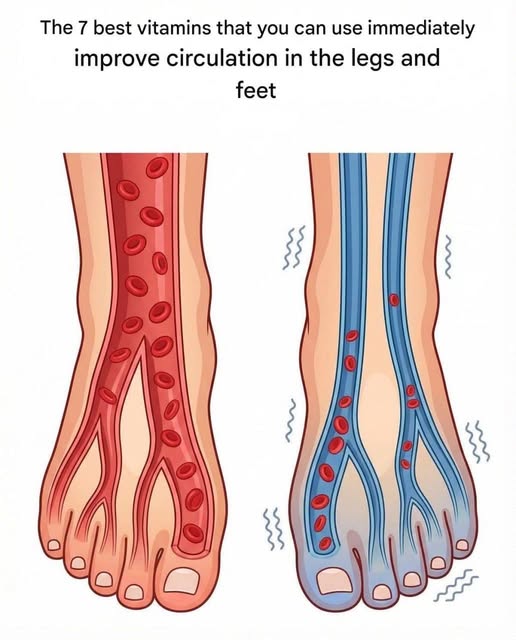
Do your feet often feel cold even when the room is warm? Do your legs sometimes feel heavy, stiff, numb, or tingly after sitting for a long time?
These symptoms can sometimes be associated with reduced blood flow, but they can also have many other causes. The good news is that gentle movement is one of the simplest ways to encourage healthy circulation, especially when you have been sitting or standing in one position for a long time.
You may have seen claims that poor circulation can be “fixed in just 20 minutes.” There is no quick home treatment that can cure an underlying circulation disorder in 20 minutes. However, a short period of walking, ankle movement, calf exercises, and comfortable leg elevation can help get your muscles moving and may temporarily improve how your legs feel.
Here is a simple routine you can try.
Why Does Good Circulation Matter?
Your circulatory system continuously delivers oxygen and nutrients throughout your body while carrying carbon dioxide and other waste products away.
Your heart pumps blood through your arteries, while your veins return blood toward the heart. The muscles in your legs also play an important role. When you walk or move your ankles, your muscles contract and help move blood through the veins.
That is one reason why your legs may feel uncomfortable after sitting at a desk, traveling for several hours, or spending a long time standing.
Regular physical activity supports cardiovascular health and can be particularly helpful for people who spend much of the day inactive.
The 20-Minute Movement Routine
You don’t need complicated equipment for this routine. A comfortable pair of shoes and a safe place to move are usually enough.
Minute 1–10: Take an Easy Walk
Start with a gentle 10-minute walk.
You can walk around your home, in your garden, at work, or outdoors if the weather and surroundings are comfortable.
Don’t worry about walking extremely fast. The goal is simply to get your leg muscles working.
As you walk, allow your arms to move naturally and maintain comfortable breathing.
If you are not accustomed to exercise, start slowly rather than suddenly pushing yourself.
Minutes 10–12: Perform Ankle Pumps
Sit or lie down comfortably.
Extend your legs or position them comfortably in front of you. Slowly point your toes away from your body and then pull your toes back toward you.
Repeat the movement slowly.
This simple exercise moves the ankle and contracts the muscles around the lower legs.
You can also make gentle circles with each ankle if that feels comfortable.
Stop if the movement causes pain.
Minutes 12–14: Try Gentle Calf Raises
Stand near a sturdy chair, countertop, or other stable surface for support.
Slowly raise your heels so that you are standing on the balls of your feet.
Pause briefly, then lower your heels back down.
Repeat at a comfortable pace.
Calf raises activate the calf muscles and are an easy movement to incorporate into a daily routine.
If you have balance problems, don’t perform this exercise without appropriate support.
Minutes 14–19: Rest With Your Legs Comfortably Elevated
Now sit or lie down and place your lower legs on pillows.
Keep the position comfortable rather than forcing your legs into a very high position.
Leg elevation can be particularly soothing when your legs feel tired or mildly swollen after standing or sitting for a long time.
However, unexplained or significant swelling should not simply be treated at home, especially when it affects only one leg.
Minute 20: Gentle Stretching
Finish with a few gentle stretches.
For example, while sitting, extend one leg and gently move your ankle back and forth.
You can also perform a gentle calf stretch against a wall if it is comfortable for you.
Never bounce during a stretch, and don’t force a joint into an uncomfortable position.
Can This Routine Cure Poor Circulation?
No.
This distinction is important.
A 20-minute routine may temporarily improve movement and make your legs feel less stiff or heavy, but it cannot cure an underlying vascular disease.
Persistent circulation problems may be related to conditions such as peripheral artery disease, diabetes, blood-vessel disorders, or other medical problems.
That’s why recurring symptoms deserve proper evaluation rather than repeated reliance on home remedies.
Other Everyday Habits That Support Healthy Circulation
A 20-minute routine is only one small part of maintaining cardiovascular and vascular health.
Stay Physically Active
Regular physical activity is generally more beneficial than exercising for a few minutes occasionally.
Walking, swimming, cycling, and other appropriate activities can help you stay active.
If you have a medical condition or haven’t exercised for a long time, speak with a healthcare professional about an appropriate activity level.
Avoid Sitting for Very Long Periods
If you work at a desk or spend hours watching television, try to get up periodically.
Walk around the room, move your ankles, stretch your legs, or perform a few gentle movements.
Small amounts of movement throughout the day can be easier to maintain than trying to compensate with one intense workout.
Stay Hydrated
Drink adequate fluids according to your individual needs.
However, people who have been told to restrict fluids because of a medical condition should follow their healthcare professional’s instructions instead.
Avoid Smoking
Smoking damages blood vessels and is an important risk factor for cardiovascular and vascular disease.
If you smoke, quitting is one of the most meaningful steps you can take for your overall vascular health.
Pay Attention to Your Symptoms
Don’t ignore symptoms simply because they seem mild.
Cold feet alone may have a harmless explanation, but persistent numbness, pain while walking, skin changes, swelling, or wounds that heal slowly can require medical evaluation.
When Should You See a Doctor?
Make an appointment with a healthcare professional if you regularly experience:
- Persistent coldness in your hands or feet
- Recurrent numbness or tingling
- Leg pain when walking that improves with rest
- Persistent leg heaviness or weakness
- Swelling that keeps returning
- Changes in skin color or temperature
- Sores or wounds on your feet that don’t heal normally
These symptoms don’t automatically mean you have a serious circulation problem, but they shouldn’t be ignored.
Warning Signs That Need Urgent Attention
Some symptoms require prompt medical care.
Seek urgent medical attention if you develop sudden severe pain or swelling in one leg, particularly when accompanied by warmth or redness.
Also seek emergency help for symptoms such as chest pain, sudden shortness of breath, coughing up blood, sudden weakness, or sudden numbness.
These symptoms can indicate serious medical problems and should not be treated with exercise or home remedies.
The Bottom Line
There isn’t a magic exercise that can permanently “fix” poor circulation in 20 minutes.
However, a short routine involving 10 minutes of walking, ankle pumps, gentle calf raises, comfortable leg elevation, and stretching can be an easy way to get your body moving after prolonged sitting or inactivity.
The bigger goal is consistency. Regular movement, healthy lifestyle habits, and appropriate medical care are much more important than any single 20-minute trick.
If circulation-related symptoms are persistent, painful, worsening, or unusual for you, don’t try to diagnose the cause yourself. A healthcare professional can determine what’s causing the symptoms and whether further testing or treatment is needed.