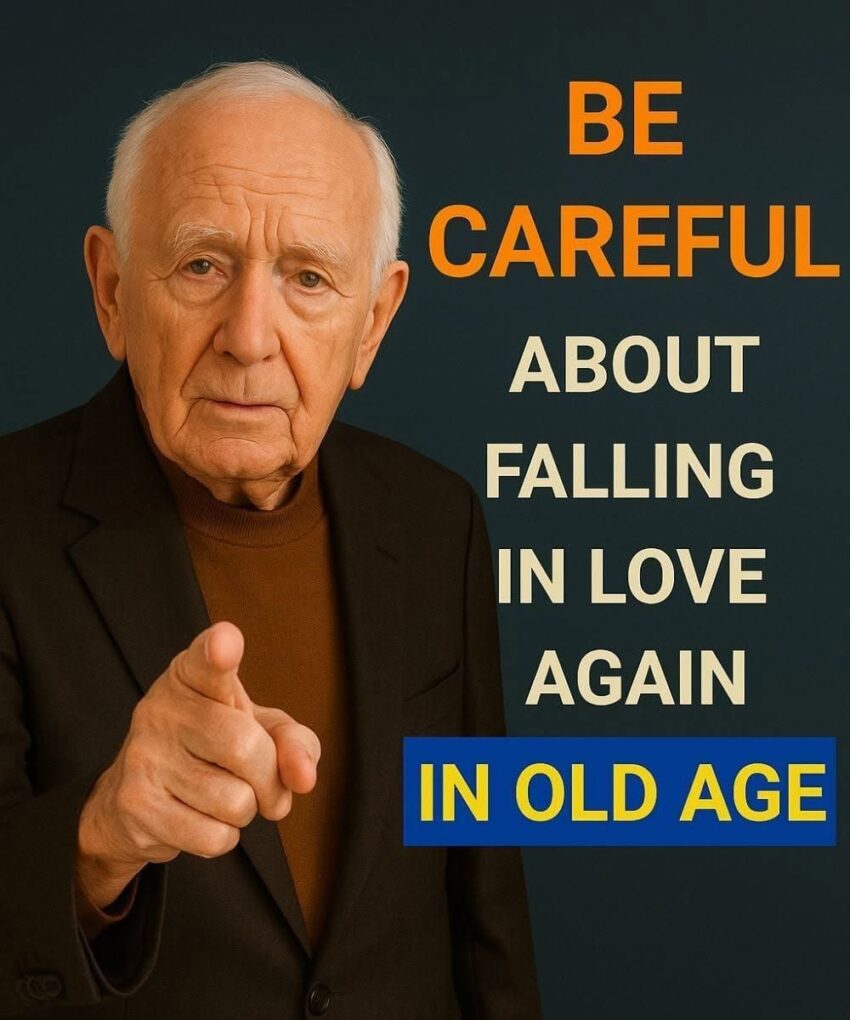
Falling in love after 60 can bring companionship and happiness, but it also comes with emotional, financial, and practical risks. Here are the things nobody tells you.
The DANGER of Falling in Love After 60: What Nobody Tells You
People often talk about young love as though romance belongs to the first half of life.
But falling in love after 60 can be just as powerful—and sometimes even more meaningful.
At this stage of life, people often know themselves better. They may have raised children, built careers, experienced difficult relationships, lost loved ones, or spent years learning what they truly want.
So why can falling in love after 60 feel dangerous?
Not because love itself is dangerous.
The risks often come from trusting too quickly, ignoring warning signs, or allowing loneliness to make important decisions on your behalf.
1. Loneliness Can Make Red Flags Look Smaller
After retirement, divorce, widowhood, or children leaving home, loneliness can become a major part of someone’s life.
Then someone new appears.
They call every day. They listen. They make you laugh. Suddenly, life feels exciting again.
That feeling can be wonderful.
But loneliness can also make people overlook behaviors they would normally question.
A healthy relationship should make you feel respected—not pressured to ignore your instincts.
2. Financial Manipulation Can Become a Serious Risk
One of the biggest concerns in later-life relationships is money.
A new partner who quickly begins asking for loans, access to bank accounts, expensive gifts, property, or financial assistance deserves careful scrutiny.
Statements such as:
“If you really loved me, you would help me.”
are not proof of love. They can be signs of emotional manipulation.
Don’t combine finances simply because a relationship feels serious.
Take your time and consider discussing major financial decisions with an independent professional or trusted family member.
3. You May Be Afraid to Start Over
After decades of living a cert