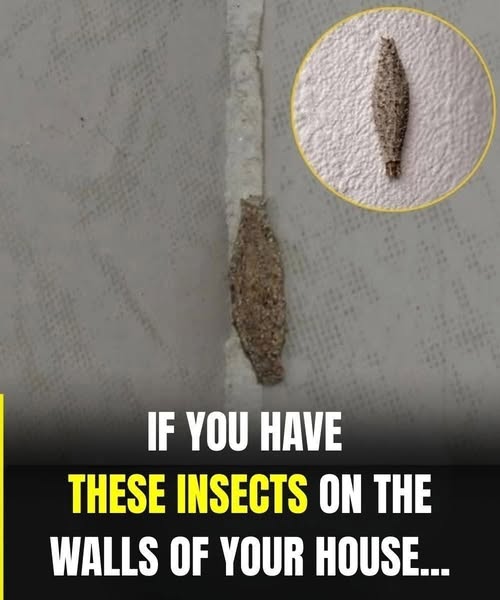
Discover the most common places insects hide inside your home, including dark corners, kitchens, bathrooms, drains, and cluttered areas—and learn simple ways to discourage infestations.
The Most Common Places This Insect Hides Inside Your Home
Finding an insect inside your home can be unsettling, especially when you realize that the one you spotted may not be the only one around. Many household insects spend most of their time hidden in dark, quiet areas and only become visible when they search for food or water.
Knowing where they commonly hide can make it easier to inspect your home and address conditions that attract them.
1. Under the Kitchen Sink
The area beneath a kitchen sink is an attractive hiding place because it’s usually dark, sheltered, and close to moisture.
Check around:
- Plumbing pipes
- Cabinet corners
- Leaks or damp areas
- Cleaning supplies
- Cardboard or paper stored underneath
Keeping the cabinet dry and fixing leaks can make the area less inviting.
2. Behind Appliances
Refrigerators, ovens, dishwashers, and other appliances can provide warm, protected spaces.
Food crumbs and grease may also accumulate underneath or behind them, creating an additional source of attraction for some insects.
When cleaning, safely move accessible appliances when possible and remove accumulated food debris.
3. Inside Cracks and Crevices
Small insects can squeeze into surprisingly narrow spaces.
Inspect gaps around:
- Baseboards
- Cabinets
- Door frames
- Windows
- Pipes
- Wall openings
Sealing appropriate cracks can reduce potential entry points and hiding areas.
4. In Bathrooms
Bathrooms provide something many insects need: moisture.
Look around sinks, toilets, cabinets, plumbing fixtures, and other damp areas. Persistent moisture from leaks or poor ventilation can make the environment more attractive.
Use exhaust fans when appropriate and repair plumbing leaks promptly.
5. Inside Clutter
Boxes, newspapers, bags, clothing piles, and rarely disturbed storage areas can provide excellent shelter.
Reducing clutter makes it easier to spot insects and removes some of their potential hiding places.
Be particularly careful with cardboard stored in damp or dark areas.
6. Around Drains
Some household pests may be attracted to organic material and moisture around drains.
Regular cleaning can help, but don’t mix different chemical drain cleaners or household products. Follow the product instructions carefully.
If insects repeatedly appear around a drain, identifying the species can help determine the appropriate solution.
7. Near Food Storage
Open food packages, crumbs, pet food, and food waste can attract insects.
Keep pantry foods in sealed containers, clean spills promptly, and empty garbage regularly.
Don’t forget about pet-food bowls, which can also become a food source.
8. Near Windows and Doors
Small gaps around windows, doors, screens, and vents can provide entry points from outside.
Check weather stripping and screens for damage and seal appropriate gaps.
What Should You Do If You Keep Finding Them?
The first step is identification. Different insects require different control methods, and spraying an unknown insect with random chemicals may be ineffective or create unnecessary exposure.
Keep food sealed, eliminate excess moisture, reduce clutter, clean regularly, and close obvious entry points.
If you see large numbers of insects, discover a nest, or repeatedly find them despite cleaning, consider contacting a qualified pest-control professional.
The Bottom Line
Most household insects aren’t hiding randomly. They tend to seek food, water, warmth, darkness, and shelter.
Inspecting kitchens, bathrooms, storage areas, appliance spaces, cracks, and other quiet locations can help you find potential hiding spots before a small problem becomes a larger infestation.