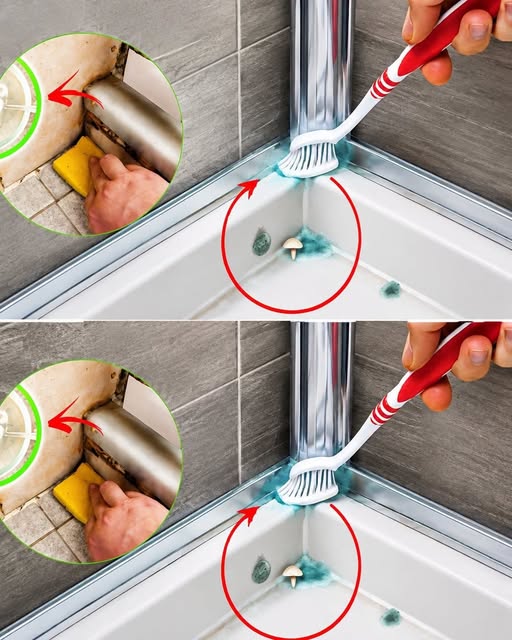
Discover a simple and effective way to tackle mold growing on shower silicone, why it keeps coming back, and how to keep your bathroom seals clean and dry.
The Quickest and Most Effective Trick to Get Rid of Silicone Mold in the Shower
If you’ve ever noticed tiny black spots spreading along the silicone around your shower, you’re definitely not alone. Shower silicone is one of those places where mold seems to appear out of nowhere. Even when the rest of the bathroom looks clean, the edges around the bathtub, shower tray, or glass enclosure can slowly become dark and stained.
The reason is simple: silicone around a shower is constantly exposed to moisture. Add soap residue, warmth, and poor ventilation, and you’ve created the perfect environment for mold to grow.
The good news is that surface mold can often be cleaned without replacing the silicone. The key is to give the affected area enough time to dry and use an appropriate mold-removing product rather than simply wiping it with a damp cloth.
Start by Drying the Silicone
Before cleaning, make sure the area is as dry as possible.
If you’ve just showered, wait until the silicone has dried completely. You can wipe away remaining moisture with a clean towel and leave the bathroom ventilated for a while.
This small step matters because mold removers work better when they aren’t immediately diluted by water.
Apply a Mold and Mildew Cleaner
For visible mold, use a commercial bathroom mold and mildew remover that is suitable for silicone and follow the instructions on the label.
Apply it carefully to the affected areas and allow it to remain there for the recommended contact time. Don’t rush to wipe it away immediately—the product needs time to work.
For small patches, an old soft toothbrush or small cleaning brush can help loosen residue afterward. Avoid using anything so abrasive that it scratches or damages the silicone.
Once you’ve finished, rinse the area thoroughly and dry it completely.
Why Does Mold Keep Coming Back?
Sometimes people clean the black spots only to see them return a few weeks later.
That’s usually because cleaning the surface doesn’t solve the underlying moisture problem.
If water is constantly sitting around the silicone, the bathroom has poor ventilation, or there is a leak behind the seal, mold can return quickly.
Try these simple habits:
- Wipe excess water from the shower after use.
- Keep the bathroom ventilated while and after showering.
- Leave the shower door or curtain open when possible.
- Clean soap buildup regularly.
- Check for leaks around the shower or bathtub.
- Keep the silicone as dry as possible between showers.
What If the Silicone Is Still Black?
This is the important part.
If you’ve thoroughly cleaned the silicone and the black discoloration remains, the mold may have penetrated into the silicone rather than simply sitting on its surface.
At that point, repeatedly spraying or scrubbing the area may not solve the problem.
The more reliable solution is to remove the affected silicone and replace it with fresh bathroom-grade, mold-resistant silicone.
The old seal needs to be removed carefully, the underlying surface cleaned, and—most importantly—everything allowed to dry completely before the new seal is applied.
Applying new silicone over a damp or contaminated surface can simply trap the problem underneath.
A Simple Prevention Routine
Once you’ve dealt with the mold, prevention is much easier than constantly trying to remove it.
After your shower, spend a few seconds wiping water away from the silicone edges. If your bathroom tends to stay humid, use the exhaust fan or open a window to help moisture escape.
You don’t need an elaborate cleaning routine. Keeping the seal dry and dealing with soap residue and leaks early can make a noticeable difference.
One Safety Reminder
Never mix different cleaning chemicals together. In particular, never mix bleach with vinegar, ammonia, acids, or other household cleaners, as dangerous fumes can be produced.
Always follow the manufacturer’s instructions, use adequate ventilation, and wear the recommended protective equipment.
A clean, dry shower is ultimately the best defense against recurring silicone mold. If the mold has deeply stained or damaged the silicone, however, replacing the seal is usually more effective than trying to clean it indefinitely.