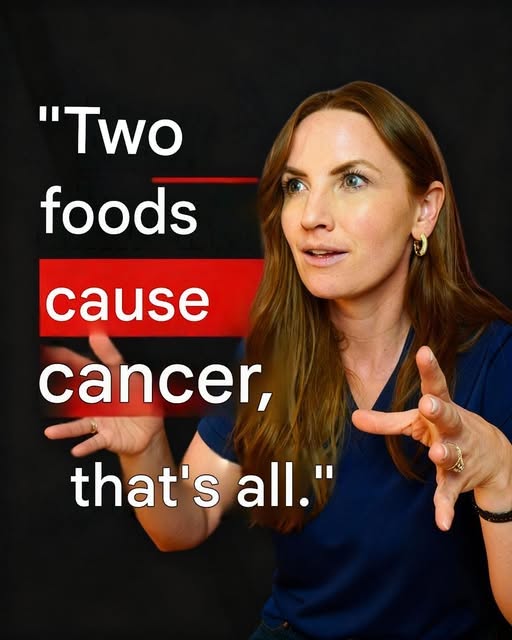
Are some everyday foods really linked to cancer? Learn what research says about processed meat and heavily charred foods, why the risk matters, and how to make safer choices without unnecessary fear.
Two Foods Linked to Cancer Risk: What You Should Know
The headline “Two foods cause cancer” sounds shocking, but the reality is more nuanced. No single food automatically causes cancer, and cancer risk depends on many factors, including genetics, lifestyle, overall diet, and long-term exposure to certain substances.
However, some foods have stronger evidence of being associated with increased cancer risk than others. Two important examples are processed meat and heavily charred or burned foods.
1. Processed Meat
Processed meats include foods such as bacon, sausages, hot dogs, salami, ham, and other meats preserved through smoking, curing, salting, or certain processing methods.
Regularly eating processed meat has been associated with an increased risk of colorectal cancer. The concern isn’t that eating one sausage or a slice of bacon will cause cancer. Rather, risk appears to increase with greater and more frequent consumption.
For a healthier approach, consider eating processed meats less often and replacing them with options such as beans, lentils, fish, eggs, or fresh, minimally processed poultry.
2. Heavily Charred or Burned Foods
Cooking food at very high temperatures—particularly grilling, frying, or roasting until it becomes heavily blackened—can create compounds that may damage DNA or contribute to cancer risk.
This doesn’t mean you need to stop grilling or roasting food. The bigger concern is frequently eating heavily burned or charred portions.
You can reduce exposure by:
- Avoiding severely blackened pieces.
- Removing burned portions before eating.
- Cooking meat at moderate temperatures when possible.
- Turning food regularly while grilling.
- Preventing flames from directly burning the food.
- Including plenty of vegetables, fruits, whole grains, and legumes in your overall diet.
The Bigger Picture
It’s important not to let alarming food headlines create unnecessary fear. Cancer isn’t caused by one meal or one ingredient. Dietary patterns and long-term habits matter much more.
Instead of completely eliminating foods based on frightening claims, focus on eating a varied diet rich in vegetables, fruits, whole grains, legumes, nuts, and other minimally processed foods while limiting processed meats and heavily charred foods.
Small changes made consistently can be far more meaningful than fearing every food on your plate.