 Skip to content
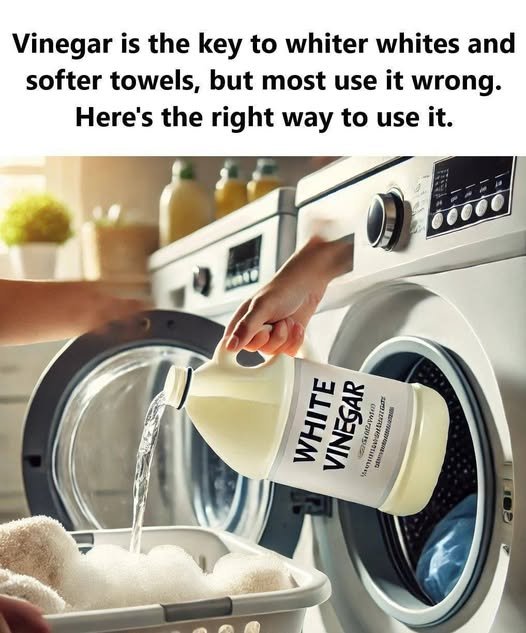
Vinegar can help freshen laundry, soften towels, and reduce odors when used correctly. Learn how to use white vinegar safely in your washing routine without damaging fabrics or your machine.
Vinegar: The Key to Whiter Whites and Softer Towels (But Most People Use It Wrong)
White vinegar has become a popular natural addition to laundry routines. It’s inexpensive, widely available, and can help with odors, detergent residue, and mineral buildup. But there’s a lot of confusion about how to use it properly.
Used incorrectly, vinegar can be ineffective or potentially cause problems when combined with certain products. The trick is knowing when to use it, how much to use, and what not to mix it with.
How Vinegar Can Help Your Laundry
Distilled white vinegar contains acetic acid, which can help break down certain residues and neutralize odors.
It may be useful for:
- Freshening musty towels
- Reducing lingering odors
- Removing some detergent residue
- Helping fabrics feel less stiff
- Reducing mineral buildup from hard water
- Freshening washable fabrics
However, vinegar isn’t a replacement for laundry detergent, stain remover, or bleach when those products are appropriate.
The Best Way to Use Vinegar in the Washing Machine
For a typical household laundry load, add approximately ½ cup of distilled white vinegar to the washing machine’s fabric-softener dispenser.
For smaller loads, you can use less.
Adding it through the dispenser allows the vinegar to be released during the appropriate part of the wash cycle rather than sitting directly on fabrics for an extended period.
Always check your washing machine manufacturer’s recommendations first.
Why Towels May Feel Softer
Over time, towels can become stiff because detergent and minerals from hard water can accumulate in the fibers.
Vinegar can help reduce some of this residue, which may make towels feel less coated or stiff.
But there’s an important distinction: vinegar doesn’t chemically “condition” fibers in the same way a commercial fabric softener does. Its usefulness is mainly related to residue and odor management.
Don’t Pour Vinegar Directly Onto Dry Clothes
One common mistake is pouring undiluted vinegar directly over clothing or towels.
Instead, use the washing machine’s designated fabric-softener compartment when possible.
This distributes the vinegar during the appropriate cycle and avoids concentrating the acidic liquid on one area of fabric.
Never Mix Vinegar With Chlorine Bleach
This is one of the most important safety rules.
Never mix vinegar with chlorine bleach.
Combining acids such as vinegar with chlorine bleach can produce dangerous chlorine gas.
If you’re using bleach in a laundry load, don’t add vinegar to the same cycle.
What About Baking Soda?
You may have seen laundry recipes recommending vinegar and baking soda together.
Although both products have household cleaning uses, mixing them causes an acid-base reaction that largely neutralizes their cleaning properties.
If you want to use both products, it’s generally more sensible to use them separately in appropriate parts of the cleaning process rather than combining them in one container.
Can Vinegar Make White Clothes Whiter?
Vinegar isn’t a true whitening agent like oxygen bleach or chlorine bleach.
It may help whites look fresher by reducing certain residues and odors, but it shouldn’t be expected to dramatically whiten heavily stained or yellowed clothing.
For serious discoloration, use a laundry product specifically designed for whitening and follow the garment-care instructions.
A Better Routine for Smelly Towels
If towels smell musty even after washing, try these habits:
1. Don’t Leave Them Wet
Hang towels up immediately after use rather than leaving them in a damp pile.
2. Don’t Overload the Washer
Clothes and towels need enough space for water and detergent to circulate properly.
3. Use the Correct Amount of Detergent
More detergent isn’t necessarily better. Excess detergent can leave residue behind.
4. Wash Towels Regularly
Frequently used towels should be washed regularly, especially if they remain damp for long periods.
5. Dry Them Completely
Make sure towels are thoroughly dried after washing. A damp towel can quickly develop an unpleasant smell.
Is Vinegar Safe for Every Fabric?
Not necessarily.
Always check the care label before using vinegar or any other laundry additive.
You should be especially cautious with delicate or specialty fabrics and items containing materials that may be sensitive to acids. When uncertain, follow the manufacturer’s care instructions.
Will Vinegar Damage the Washing Machine?
Occasional use of diluted white vinegar is commonly practiced, but regular use isn’t recommended by every appliance manufacturer.
Some manufacturers advise against vinegar because repeated exposure to acid may affect certain rubber components or seals.
Your washing machine’s manual should therefore take priority over generic laundry advice.
How Much Vinegar Should You Use?
You don’t need to use a large quantity.
For many standard loads, around ½ cup of distilled white vinegar in the fabric-softener dispenser is sufficient. Smaller loads require less.
Using more vinegar doesn’t automatically produce softer or cleaner laundry.
The Bottom Line
Vinegar can be a useful laundry helper, particularly for odor control and reducing certain residues, but it’s not a miracle whitening or fabric-softening product.
The safest approach is simple: use a moderate amount of distilled white vinegar, add it through the fabric-softener dispenser when appropriate, follow your appliance and garment-care instructions, and never mix vinegar with chlorine bleach.
Used correctly, vinegar can be a helpful addition to your laundry routine without turning your washing machine into a chemistry experiment.