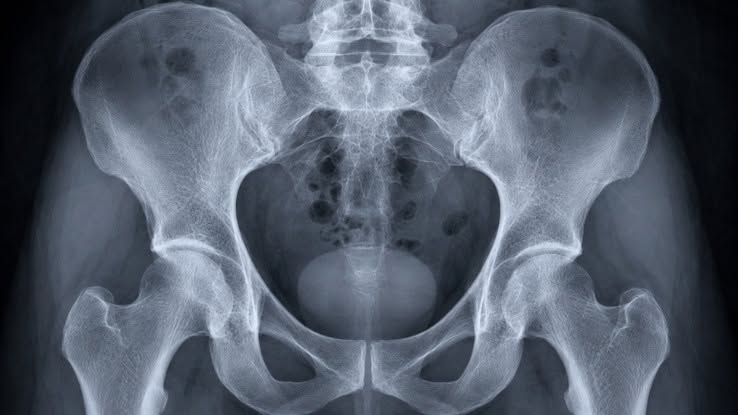
Discover the common signs of a weakened pelvic floor, why it happens, and simple exercises and lifestyle habits that may help strengthen pelvic floor muscles. The pelvic floor is a group of muscles and connective tissues that supports important organs such as the bladder, bowel, and uterus. These muscles also play a role in bladder and bowel control and sexual function.
Despite their importance, pelvic floor problems are common and often overlooked. Some women assume that urine leakage, pelvic pressure, or difficulty controlling gas is simply a normal part of aging or having children. It may be common, but it isn’t something you necessarily have to live with.
What Is a Weak Pelvic Floor?
A weakened pelvic floor occurs when these muscles are unable to contract and relax effectively or provide adequate support to the pelvic organs.
The pelvic floor can become weaker because of pregnancy and childbirth, increasing age, hormonal changes, chronic constipation, persistent coughing, obesity, repeated heavy lifting, or other factors.
Importantly, pelvic floor problems aren’t always caused by weakness alone. Some women have pelvic floor muscles that are overly tight rather than weak, so strengthening exercises aren’t appropriate for everyone.
8 Signs of a Weakened Pelvic Floor
1. Leaking Urine When You Cough or Sneeze
One of the most recognizable symptoms is urinary leakage when coughing, sneezing, laughing, jumping, running, or exercising.
This is called stress urinary incontinence. Increased pressure inside the abdomen can put extra stress on the bladder, and the pelvic floor may not provide enough support to prevent leakage.
Even a few drops of urine can be a sign worth discussing with a healthcare professional.
2. A Sudden or Frequent Need to Urinate
Do you frequently feel that you have to rush to the bathroom?
Urinary urgency and frequent urination can be associated with pelvic floor dysfunction, although there are many other possible causes, including urinary infections and bladder conditions.
If the symptom is new or persistent, it’s worth getting evaluated rather than assuming it’s simply a weak pelvic floor.
3. Pelvic Pressure or Heaviness
Some women describe a feeling of:
- Heaviness in the pelvis
- Pressure between the legs
- A sensation that something is “dropping”
- Increased pressure after standing for a long time
Pelvic pressure can sometimes occur with pelvic organ prolapse, where one or more pelvic organs bulge downward because the supporting tissues and muscles have weakened.
A healthcare professional should assess persistent or significant symptoms.
4. Difficulty Controlling Gas or Stool
Pelvic floor muscles help contribute to bowel control.
Difficulty controlling gas, accidental stool leakage, or a sudden inability to hold a bowel movement can indicate pelvic floor dysfunction.
These symptoms can be embarrassing, but they are medical problems—not something you should feel ashamed to discuss.
5. Lower Back or Pelvic Discomfort
Some people with pelvic floor dysfunction experience discomfort around the pelvis, hips, or lower back.
However, these symptoms are not specific to pelvic floor problems. Back or pelvic pain can have many causes, so persistent pain should be evaluated rather than automatically attributed to pelvic floor weakness.
6. Difficulty Emptying the Bladder or Bowel
Pelvic floor dysfunction can sometimes interfere with normal emptying.
You might feel as though:
- Your bladder hasn’t completely emptied.
- You need to strain to have a bowel movement.
- You frequently feel blocked or unable to relax the muscles.
Interestingly, this can happen with pelvic floor muscles that are too tight, not only weak muscles.
7. A Bulge or Something Feeling Different in the Vagina
A noticeable vaginal bulge or sensation that something is coming down can be a symptom of pelvic organ prolapse.
If you notice a new bulge, especially one that becomes more noticeable when standing, coughing, or straining, arrange a medical evaluation.
8. Changes During Sexual Activity
Pelvic floor dysfunction can sometimes be associated with discomfort during sex, reduced muscle control, or changes in sexual function.
Pain during sex, however, can have numerous causes—including hormonal, gynecological, muscular, and psychological factors—so it shouldn’t automatically be blamed on pelvic floor weakness.
Why Does the Pelvic Floor Become Weak?
Several factors can contribute.
Pregnancy and Childbirth
Pregnancy places considerable pressure on the pelvic floor. Vaginal delivery can further stretch or injure pelvic floor muscles and connective tissues.
However, pelvic floor symptoms can also occur after cesarean delivery, because pregnancy itself places significant stress on these structures.
Aging
Muscle strength can decrease with age, while hormonal changes around menopause may also affect pelvic tissues.
Chronic Constipation
Repeatedly straining during bowel movements increases pressure on the pelvic floor and may contribute to dysfunction over time.
Chronic Coughing
Long-term coughing repeatedly increases abdominal pressure and can place additional stress on the pelvic floor.
Being Overweight
Higher body weight can increase pressure on the pelvic floor, potentially contributing to urinary incontinence and other pelvic floor symptoms.
Heavy Lifting
Repeated heavy lifting—especially when performed with poor technique or breath-holding—can increase pressure inside the abdomen.
Can You Strengthen the Pelvic Floor at Home?
For many people, pelvic floor muscle training can improve symptoms, particularly urinary incontinence.
One commonly known exercise is the Kegel exercise.
How to Perform a Kegel Exercise
First, identify the muscles you would use to stop yourself from passing gas. You can also briefly identify the urinary muscles by noticing which muscles are involved when stopping urine flow—but don’t repeatedly stop your urine stream as an exercise, because this can interfere with normal bladder emptying.
Once you’ve identified the muscles:
- Empty your bladder.
- Sit or lie comfortably.
- Gently contract the pelvic floor muscles.
- Hold the contraction for about 3–5 seconds initially.
- Relax completely for the same amount of time.
- Repeat several times.
- Gradually work toward longer holds as your muscles become stronger.
The key is quality rather than force. Try not to tighten your abdomen, buttocks, or thighs while performing the exercise, and remember to breathe normally.
A pelvic-floor physical therapist can teach you the correct technique and determine whether strengthening is actually appropriate for you.
Don’t Overdo Kegel Exercises
More isn’t always better.
Some women have pelvic floor muscles that are too tight or unable to relax properly. In such cases, repeatedly squeezing the muscles may make certain symptoms worse.
If you have pelvic pain, pain during sex, difficulty relaxing to urinate or have a bowel movement, or symptoms that worsen with pelvic floor exercises, seek professional assessment before continuing an intensive strengthening routine.
Lifestyle Habits That Support Pelvic Floor Health
Alongside appropriate pelvic floor exercises, several everyday habits may help:
Stay Hydrated
Don’t drastically restrict fluids to avoid urination. Dehydration can contribute to concentrated urine and constipation.
Prevent Constipation
Include fiber-rich foods such as vegetables, fruits, beans, whole grains, and nuts, and drink adequate fluids.
Avoid Excessive Straining
When using the bathroom, avoid repeatedly forcing or holding your breath while trying to empty your bowel.
Maintain a Healthy Weight
If you are above your healthy weight, gradual weight management may reduce pressure on the pelvic floor and improve urinary symptoms.
Use Good Lifting Technique
When lifting something heavy, avoid excessive breath-holding and use your legs and core appropriately.
When Should You See a Doctor?
Don’t ignore persistent pelvic floor symptoms simply because they are common.
Make an appointment with a gynecologist, urogynecologist, urologist, or pelvic-floor physical therapist if you experience persistent urine leakage, bowel-control problems, pelvic pressure, a vaginal bulge, difficulty emptying your bladder or bowel, or ongoing pelvic pain.
Seek prompt medical attention if you have blood in your urine or stool, severe pelvic pain, sudden inability to urinate, or significant bleeding.
Final Thoughts
A weakened or poorly functioning pelvic floor can affect bladder control, bowel function, physical activity, comfort, and quality of life. The good news is that many pelvic floor problems can be improved with appropriate treatment and targeted exercises.
Most importantly, don’t assume that leakage or pelvic pressure is something you simply have to accept because you’ve had children or are getting older. Pelvic floor symptoms deserve proper evaluation, and effective treatment is available for many women.