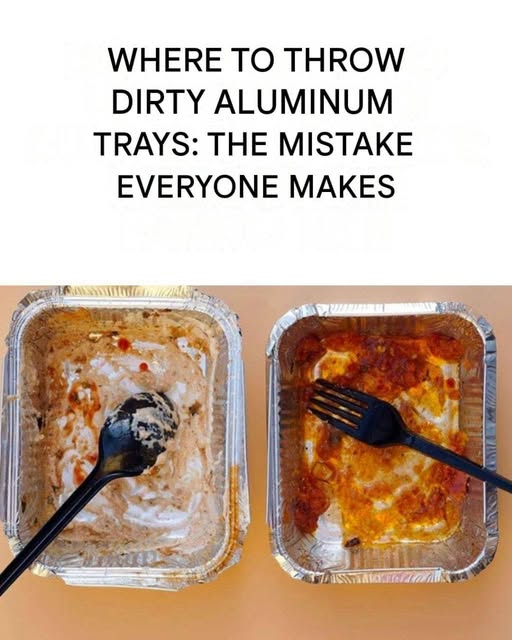
If you mean “aluminum alloy food containers / cooking utensils” (Italian: alluminio in lega per uso alimentare), here’s what you should know:
Aluminum Alloy and Food Use
Aluminum alloys are widely used for cookware, baking trays, cans, foil, and food containers because aluminum is lightweight, conducts heat well, and is relatively inexpensive.
The important point is that not every aluminum alloy is automatically suitable for food contact. Products intended for cooking or storing food should be specifically manufactured and labeled for food use and comply with applicable food-contact regulations.
Is Aluminum Safe for Cooking?
Generally, yes, when properly manufactured and used as intended. Small amounts of aluminum can migrate from cookware into food, but exposure depends on factors such as the type of food, cooking time, temperature, and condition of the cookware.
Acidic or salty foods—such as tomatoes, citrus, vinegar-based foods, and heavily salted dishes—can increase aluminum migration, particularly from uncoated or damaged cookware.
What Should You Avoid?
- Don’t use cookware that is heavily scratched, pitted, or badly corroded.
- Avoid storing acidic or salty foods for long periods in uncoated aluminum containers.
- Don’t assume that an item is food-safe simply because it is made from aluminum.
- Follow the manufacturer’s instructions for cookware with nonstick or anodized coatings.
Anodized Aluminum
Anodized aluminum has a treated surface that is harder and more resistant to corrosion and reduces direct contact between food and the underlying aluminum. It is commonly used for cookware.
Bottom Line
Food-grade aluminum cookware can generally be used safely when it is designed for food contact and used according to the manufacturer’s instructions. The biggest practical concern is prolonged contact with acidic or salty foods in damaged or uncoated aluminum.
If by “sporche di cibo” you meant something different—perhaps an Italian phrase or a specific aluminum product—send me the photo or exact wording, and I’ll explain it.