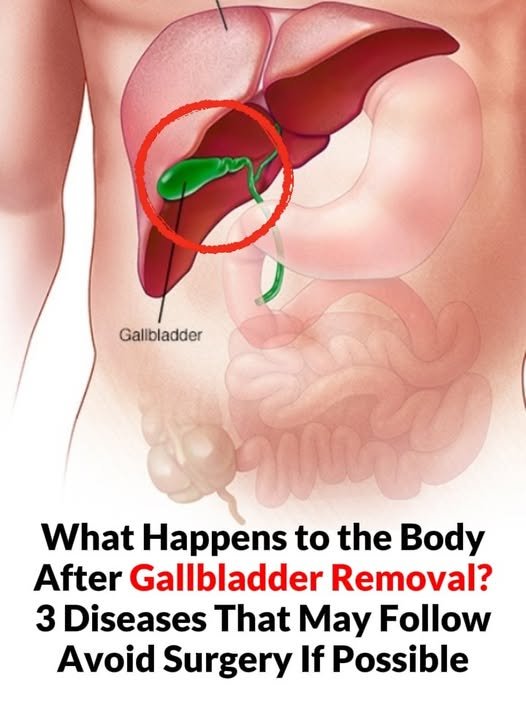
What happens after gallbladder removal? Learn about common digestive changes, possible long-term complications, and when gallbladder surgery may be necessary or avoidable.
What Happens to the Body After Gallbladder Removal? 3 Conditions That May Follow
Gallbladder removal, medically known as cholecystectomy, is one of the most common abdominal surgeries. It is frequently recommended for people with painful gallstones, inflammation of the gallbladder, or other gallbladder problems.
The idea that gallbladder removal automatically causes serious diseases is misleading. Most people can live normally without a gallbladder, and when surgery is medically necessary, delaying it can sometimes be more dangerous than having the operation.
Still, some people experience digestive changes after surgery, and understanding what to expect can make recovery easier.
What Does the Gallbladder Do?
The gallbladder is a small organ located beneath the liver.
Its main job is to store and concentrate bile, a digestive fluid produced by the liver. When you eat, particularly a meal containing fat, the gallbladder releases bile into the small intestine to help with digestion.
When the gallbladder is removed, the liver continues to produce bile. The difference is that bile no longer has a storage reservoir and instead flows more continuously into the intestine.
For most people, the digestive system adapts to this change.
1. Diarrhea or Changes in Bowel Habits
Some people experience diarrhea, urgency, or softer stools after gallbladder removal.
This can happen because bile reaches the intestine more continuously, and in some individuals, excess bile acids entering the colon can contribute to diarrhea.
For many people, these symptoms improve as the body adjusts.
If diarrhea continues for weeks or becomes severe, talk to your doctor. Bile acid diarrhea can sometimes be treated effectively with medication.
2. Indigestion and Bloating
Some people report:
- Bloating
- Gas
- Indigestion
- Abdominal discomfort
- Nausea after eating
These symptoms don’t necessarily mean that the surgery caused a disease.
They may be temporary, or they may be related to the underlying digestive condition that existed before surgery.
Eating smaller meals and avoiding very large, greasy meals during early recovery may help.
3. Persistent Abdominal Pain
Occasionally, people continue to experience abdominal pain after gallbladder removal.
This is sometimes referred to broadly as post-cholecystectomy syndrome, although it isn’t one specific disease.
Potential causes can include:
- Bile duct stones
- Bile leakage
- Reflux
- Pancreatic problems
- Irritable bowel syndrome
- Other gastrointestinal conditions
Persistent or severe pain should be investigated rather than automatically blamed on the absence of the gallbladder.
Three Problems That Can Sometimes Occur After Surgery
The title’s phrase “3 diseases” can be misleading. Gallbladder removal does not mean that three specific diseases will inevitably develop afterward.
However, certain complications or conditions can occur in a minority of patients.
1. Bile Acid Diarrhea
As mentioned above, changes in bile flow can cause chronic diarrhea in some people.
Symptoms may include:
- Frequent loose stools
- Urgency after meals
- Abdominal cramping
- Difficulty controlling bowel movements
Doctors can evaluate suspected bile acid diarrhea and may prescribe bile-acid-binding medications when appropriate.
2. Retained or New Bile Duct Stones
Although the gallbladder has been removed, stones can still be present in or develop within the bile ducts.
Possible symptoms include:
- Upper abdominal pain
- Jaundice
- Dark urine
- Pale stools
- Fever
- Nausea or vomiting
These symptoms require medical assessment because a blocked bile duct can become serious.
3. Bile Duct or Surgical Complications
Rarely, complications such as bile leakage, bile duct injury, bleeding, infection, or blood clots can occur around the time of surgery.
Modern gallbladder surgery is generally considered safe, but no operation is completely risk-free.
Your surgeon should explain the individual benefits and risks before surgery.
Should You Avoid Gallbladder Surgery?
This is where an important distinction must be made.
You should not avoid medically necessary gallbladder surgery simply because you are worried about living without the organ.
Many people undergo laparoscopic gallbladder removal and return to normal activities afterward.
Surgery may be recommended for conditions such as:
- Recurrent symptomatic gallstones
- Acute or chronic cholecystitis
- Certain gallbladder complications
- Gallstone-related pancreatitis
- Some gallbladder polyps or other concerning findings
In these situations, leaving the underlying problem untreated may carry its own risks.
When Surgery May Not Be Necessary
Not everyone with gallstones needs immediate surgery.
Gallstones that cause no symptoms are often managed without surgery unless there is a specific medical reason for removal.
If you’ve been told you need gallbladder surgery, ask your healthcare professional:
- Why is surgery recommended?
- What happens if I wait?
- Are my gallstones causing symptoms?
- Are there nonsurgical treatment options?
- What are the risks in my particular case?
- Is laparoscopic surgery appropriate?
This allows you to make an informed decision rather than simply avoiding surgery out of fear.
What Can You Eat After Gallbladder Removal?
You don’t necessarily need a permanent restrictive diet after surgery.
During the recovery period, many people find it easier to tolerate:
- Smaller meals
- Lean proteins
- Vegetables
- Fruits
- Whole grains
- Lower-fat foods
Very fatty or fried meals may cause diarrhea or discomfort initially.
As your digestive system adapts, you can gradually reintroduce foods according to your tolerance.
When to Contact a Doctor After Surgery
Contact your healthcare professional if you develop persistent or worsening:
- Abdominal pain
- Fever
- Vomiting
- Diarrhea
- Jaundice
- Dark urine
- Pale stools
- Swelling or redness around an incision
Severe abdominal pain, difficulty breathing, fainting, or other serious symptoms require urgent medical evaluation.
The Bottom Line
Life after gallbladder removal is usually quite normal for most people. The liver continues to produce bile, and the digestive system generally adapts to the change in bile flow.
Some people experience diarrhea, bloating, indigestion, or persistent abdominal discomfort, and a smaller number may develop complications such as bile acid diarrhea or bile duct problems.
But the idea that gallbladder removal automatically causes three serious diseases—or that everyone should avoid surgery—is not supported.
If you have gallstones without symptoms, surgery may not always be necessary. If you have recurrent pain, inflammation, pancreatitis, or another complication, however, surgery may be the safest treatment.