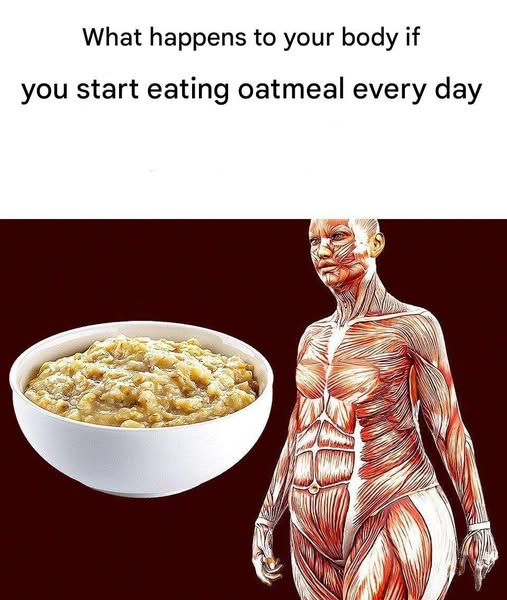
What happens when you eat oatmeal every day? Discover the potential benefits of daily oatmeal, including better digestion, heart health, blood sugar management, and longer-lasting fullness.
What Happens to Your Body If You Start Eating Oatmeal Every Day?
Oatmeal is one of those simple foods that can quietly become a healthy part of your daily routine. Made from whole oats, it provides fiber, carbohydrates, protein, vitamins, minerals, and beneficial plant compounds.
But what actually happens when you start eating oatmeal every day?
The effects can vary depending on the type of oats, portion size, and what you add to your bowl. Still, regularly choosing a nutritious bowl of oatmeal may offer several benefits.
1. Your Digestion May Improve
Oats are particularly rich in dietary fiber, including a type called beta-glucan.
Fiber helps add bulk to stool and supports regular bowel movements. If your previous diet was low in fiber, introducing oatmeal gradually may help your digestive system become more regular.
However, suddenly eating a large amount of fiber can cause temporary gas or bloating. Increase your intake gradually and drink enough water.
2. You May Feel Fuller for Longer
A warm bowl of oatmeal can be surprisingly satisfying.
The combination of fiber and carbohydrates can help you feel full after breakfast. Beta-glucan also forms a gel-like substance in the digestive tract, which can slow digestion.
For people trying to avoid constant snacking, a balanced oatmeal breakfast may make it easier to stay satisfied between meals.
3. It Can Support Heart Health
One of oatmeal’s best-known nutritional features is its beta-glucan content.
Regular consumption of oats as part of an overall healthy diet may help support healthy cholesterol levels. Soluble fiber can reduce the absorption of cholesterol in the digestive system.
Of course, oatmeal isn’t a treatment for high cholesterol by itself. Your overall eating pattern, physical activity, weight, genetics, and medications can all matter.
4. Your Blood Sugar Response May Be More Manageable
Oatmeal contains carbohydrates, so it isn’t a carbohydrate-free food. However, the fiber in oats can slow digestion and may help produce a more gradual rise in blood glucose compared with many highly refined breakfast foods.
The type of oatmeal matters.
Steel-cut and rolled oats generally undergo less processing than instant flavored oatmeal. Adding protein and healthy fats—such as plain yogurt, nuts, or seeds—can also make the meal more balanced.
People with diabetes should still consider portion size and their individual glucose response.
5. You Get Important Nutrients
A bowl of plain oatmeal can provide several nutrients, including:
- Manganese
- Magnesium
- Phosphorus
- Iron
- Zinc
- B vitamins
- Dietary fiber
- Plant-based protein
The exact nutritional profile depends on the product and serving size.
Adding fruit, nuts, seeds, or yogurt can make your breakfast even more nutrient-dense.
6. It May Help Support a Healthy Weight
Oatmeal isn’t a magic weight-loss food, but it can fit well into a weight-management diet.
Because fiber can increase satiety, oatmeal may help you feel satisfied without requiring a very large portion.
The biggest issue is often what gets added to it.
A bowl loaded with sugar, syrup, chocolate, sweetened condensed milk, or large amounts of high-calorie toppings can become much more calorie-dense.
For a lighter option, try berries, sliced apple, cinnamon, chia seeds, or a small portion of nuts.
7. Your Gut Microbiome Gets More Fiber
Your gut contains trillions of microorganisms that interact with the food you eat.
The fiber and other compounds found in oats can contribute to a diet that supports a diverse gut microbiome. Some components of oats can be fermented by gut bacteria, producing beneficial compounds called short-chain fatty acids.
This is another reason variety matters: don’t rely on oatmeal as your only source of fiber. Vegetables, fruits, legumes, nuts, seeds, and whole grains can all contribute different types of fiber.
8. You May Have More Stable Morning Energy
Oatmeal provides carbohydrates, your body’s primary fuel source, while its fiber can slow digestion.
Compared with a breakfast dominated by refined carbohydrates and added sugar, a balanced oatmeal meal may provide more sustained energy for some people.
For an even more filling breakfast, combine oats with a protein source such as Greek yogurt, milk, eggs on the side, or nuts and seeds.
9. Your Cholesterol Numbers May Improve—If the Rest of Your Diet Supports It
This deserves special attention because oatmeal’s beta-glucan has been extensively studied.
Eating sufficient amounts of oat beta-glucan regularly may contribute to lower LDL (“bad”) cholesterol as part of a heart-healthy diet.
But eating oatmeal every morning won’t necessarily cancel out a diet high in saturated fat, excess calories, and ultra-processed foods.
Think of oatmeal as one useful piece of a bigger dietary pattern, not a cure-all.
10. You May Become More Consistent With Healthy Breakfast Habits
Sometimes the biggest benefit isn’t a particular nutrient—it’s consistency.
Oatmeal is inexpensive, easy to prepare, and highly customizable. Having a simple breakfast option can make it easier to establish a regular eating routine.
You can change the toppings throughout the week to keep it interesting.
What’s the Healthiest Way to Eat Oatmeal?
Start with plain rolled or steel-cut oats and build your bowl around nutritious ingredients.
A balanced combination might include:
Oats + milk or yogurt + berries or banana + nuts/seeds + cinnamon
This provides a combination of carbohydrates, fiber, protein, and healthy fats.
If you’re watching added sugar, choose unsweetened oats rather than flavored instant varieties.
What About Instant Oatmeal?
Instant oats can still be nutritious. The bigger concern is often the added sugar and other ingredients in flavored varieties.
If you prefer instant oats because they’re convenient, check the nutrition label and choose an unsweetened version when possible.
Can Eating Oatmeal Every Day Cause Problems?
For most people, oatmeal can be part of a healthy diet. However, some people may experience bloating, gas, or digestive discomfort when increasing fiber too quickly.
People with certain digestive conditions or specific food allergies/intolerances may also need individualized advice.
Another consideration is portion size. Eating a large bowl of oats with lots of sugar, honey, nut butter, and other calorie-dense toppings can turn a healthy meal into a very high-calorie one.
The Bottom Line
Eating oatmeal every day can be a nutritious habit, particularly when you choose plain oats and pair them with fruit, nuts, seeds, or a protein source.
Over time, the fiber and beta-glucan in oats may support digestion, fullness, cholesterol management, and overall heart health.
But oatmeal isn’t a miracle food. Your overall diet matters much more than any single breakfast.
A simple bowl of oats can be a great daily choice—but variety, portion control, and nutritious toppings make it even better.