 Skip to content
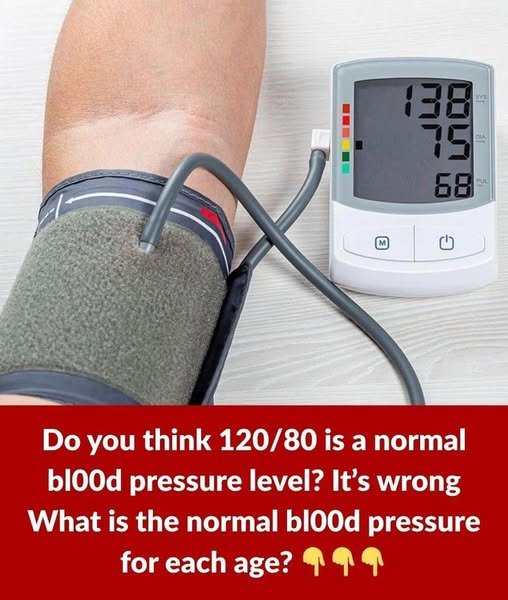
What is a normal blood pressure by age? Learn the latest adult blood pressure ranges, what the top and bottom numbers mean, and when a reading may require medical attention.
Blood pressure naturally changes throughout life, which is why many people ask, “What should my blood pressure be at my age?”
One important point is that there isn’t a separate “normal” blood-pressure number for every adult age group. Current American Heart Association guidance uses the same adult categories across ages rather than assigning a different normal range to people in their 40s, 50s, 60s, or 70s.
Normal Blood Pressure by Age
| Age | Healthy/normal adult reading |
|---|---|
| 18–29 | Below 120/80 mmHg |
| 30–39 | Below 120/80 mmHg |
| 40–49 | Below 120/80 mmHg |
| 50–59 | Below 120/80 mmHg |
| 60–69 | Below 120/80 mmHg |
| 70–79 | Below 120/80 mmHg |
| 80+ | Individualized; no separate universal “normal” number |
The important distinction is that “below 120/80” is the normal adult category, not a target that every older person must achieve regardless of their health circumstances. Treatment goals can be individualized, particularly in older adults with frailty, multiple medical conditions, or other special circumstances. The 2025 AHA/ACC guideline states an overall treatment goal of less than 130/80 mmHg for adults, with additional considerations for certain populations.
Understanding the Two Numbers
A blood-pressure reading has two numbers, such as 118/76 mmHg.
The top number: Systolic pressure
This measures the pressure in your arteries when your heart contracts and pumps blood.
The bottom number: Diastolic pressure
This measures the pressure when your heart relaxes between beats.
Both numbers matter. If they fall into different categories, the higher category is generally used for classification.
What Do Different Blood Pressure Readings Mean?
According to current AHA categories:
- Normal: Less than 120/80
- Elevated: 120–129 systolic and less than 80 diastolic
- Stage 1 hypertension: 130–139 systolic or 80–89 diastolic
- Stage 2 hypertension: 140 or higher systolic or 90 or higher diastolic
- Severely high: Above 180 systolic and/or above 120 diastolic
Is 140/90 Normal After Age 70?
No—not simply because someone is over 70.
A reading of 140/90 falls into the stage 2 hypertension category under current AHA/ACC definitions. However, one isolated reading doesn’t necessarily establish a diagnosis. Blood pressure should be measured correctly and assessed over multiple readings and, when appropriate, multiple occasions.
What About Blood Pressure in Your 80s?
Older adults can have very different health circumstances. Someone in their 80s who is active and otherwise healthy may have different treatment considerations from someone who is frail or has several medical conditions.
Therefore, it’s better not to use an internet chart to decide whether an individual’s blood pressure is “good enough.” A clinician can consider the person’s overall health, medications, symptoms, and repeated blood-pressure measurements.
When Is Blood Pressure an Emergency?
A reading above 180/120 mmHg is extremely high.
If a repeat measurement remains that high, contact a healthcare professional promptly. If it is accompanied by symptoms such as chest pain, shortness of breath, weakness or numbness, vision changes, back pain, or difficulty speaking, seek emergency medical care immediately.
How to Get a More Accurate Reading
Blood pressure can change depending on posture, activity, stress, caffeine, and other factors.
For a more reliable home measurement:
- Sit quietly for about 5 minutes first.
- Keep your back supported and feet flat on the floor.
- Support your arm at approximately heart level.
- Don’t talk while taking the measurement.
- Take two readings about one minute apart and record them.
- Use a properly validated upper-arm monitor when possible.
The Bottom Line
There isn’t a different universal “normal” blood pressure for each adult age. For adults, less than 120/80 mmHg is classified as normal, while consistently higher readings may indicate elevated blood pressure or hypertension.
For older adults, especially those over 70 or 80, the appropriate treatment goal should be individualized rather than based on age alone.