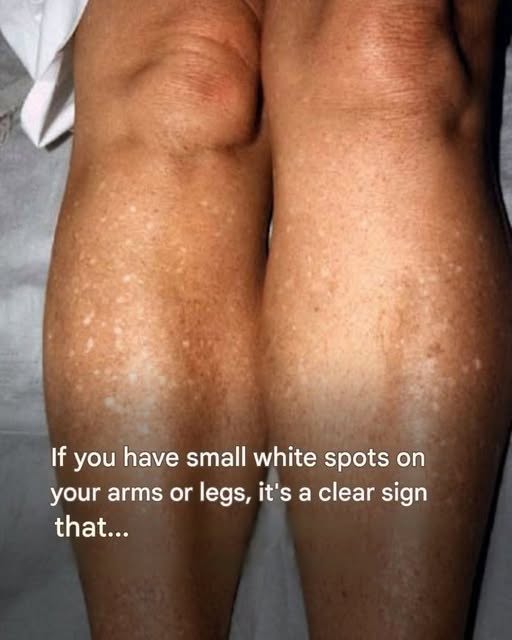
White spots on the skin can become especially noticeable during the summer. Sometimes they are simply the result of tanning around areas of lighter skin, while in other cases they may be caused by a fungal infection, eczema, vitiligo, or another skin condition.
The important thing to remember is that not every white spot has the same cause, so treatment depends on an accurate diagnosis.
Why Do White Spots Become More Noticeable in Summer?
One major reason is sun exposure.
When surrounding skin becomes darker from tanning, areas with reduced pigmentation stand out more clearly. This can make a condition that was already present seem to appear suddenly during summer.
Sweating, heat, and humidity can also encourage certain skin conditions to develop or become more noticeable.
Common Causes of White Spots
1. Tinea Versicolor
One of the common causes of lighter patches on the skin is tinea versicolor, a superficial fungal/yeast infection.
It can produce lighter or darker patches, often on the:
- Chest
- Back
- Shoulders
- Upper arms
- Neck
The patches may have fine scaling and can sometimes be mildly itchy.
Heat, sweating, and humid weather can make tinea versicolor more noticeable.
Treatment: Antifungal treatments such as medicated washes or topical antifungal medications are commonly used. A dermatologist can confirm the diagnosis and recommend the appropriate treatment.
Importantly, the fungus can be treated before the skin color returns to normal. The lighter patches may take weeks or months to regain their normal color, particularly after treatment.
2. Pityriasis Alba
Pityriasis alba causes pale, slightly dry patches, most commonly on the face. It is particularly common in children and young people.
The patches may become more obvious after sun exposure because surrounding skin tans.
Treatment: Gentle moisturization and good sun protection are often helpful. A dermatologist may recommend other treatment if there is significant inflammation.
3. Vitiligo
Vitiligo occurs when pigment-producing cells are damaged or lost, producing clearly defined white patches.
It can occur anywhere on the body and may gradually spread or appear in additional areas.
Unlike some other causes of pale skin, vitiligo usually produces more complete loss of pigment.
Treatment: Depending on the extent and location, dermatologists may use topical medications, phototherapy, or other treatments.
If you notice new, sharply defined white patches—particularly around the hands, face, mouth, or eyes—it’s worth getting them examined.
4. Post-Inflammatory Hypopigmentation
Skin can temporarily lose some pigment after inflammation or injury.
For example, lighter patches can remain after:
- Eczema
- A rash
- Scratching
- Insect bites
- Minor skin injuries
The original rash may have disappeared while the lighter area remains.
5. Sun-Related White Spots
Small pale spots can sometimes develop on areas that receive a lot of sun, particularly as people get older. These are often called idiopathic guttate hypomelanosis.
They are usually small, flat, and harmless, but a dermatologist can distinguish them from other causes of hypopigmentation.
How Can You Treat White Spots?
The first step is finding out what’s causing them.
Avoid using steroid creams, antifungal medications, bleaching products, or home remedies randomly. A treatment that helps one condition may do nothing for another and could potentially make certain problems worse.
Protect Your Skin From the Sun
Use a broad-spectrum sunscreen with SPF 30 or higher on exposed skin.
Sun protection is particularly important when you have areas of reduced pigmentation because they may be more susceptible to sunburn.
Keep Your Skin Moisturized
If dryness or eczema is contributing to the lighter patches, regular use of a gentle moisturizer can help restore the skin barrier.
See a Dermatologist if the Spots Persist
A dermatologist can often distinguish different causes by examining the skin and, when necessary, using tools such as a Wood’s lamp or other tests.
When Should You See a Dermatologist?
Make an appointment if the spots:
- Are spreading or multiplying
- Are completely white rather than simply lighter
- Have sharply defined borders
- Are itchy, scaly, painful, or inflamed
- Appear on several parts of your body
- Affect the hair or eyebrows in the area
- Don’t improve with appropriate treatment
- Suddenly appear without an obvious explanation
Final Thoughts
White or pale spots that become noticeable during summer are often related to tanning, fungal infections such as tinea versicolor, eczema-related changes, or pigment disorders such as vitiligo.
Because these conditions can look similar, the best treatment depends on the diagnosis. Rather than trying multiple home remedies, protect the affected skin from the sun and have persistent or spreading patches evaluated by a dermatologist.
Medical disclaimer: This article is for general educational purposes and isn’t a substitute for an examination or personalized medical advice.