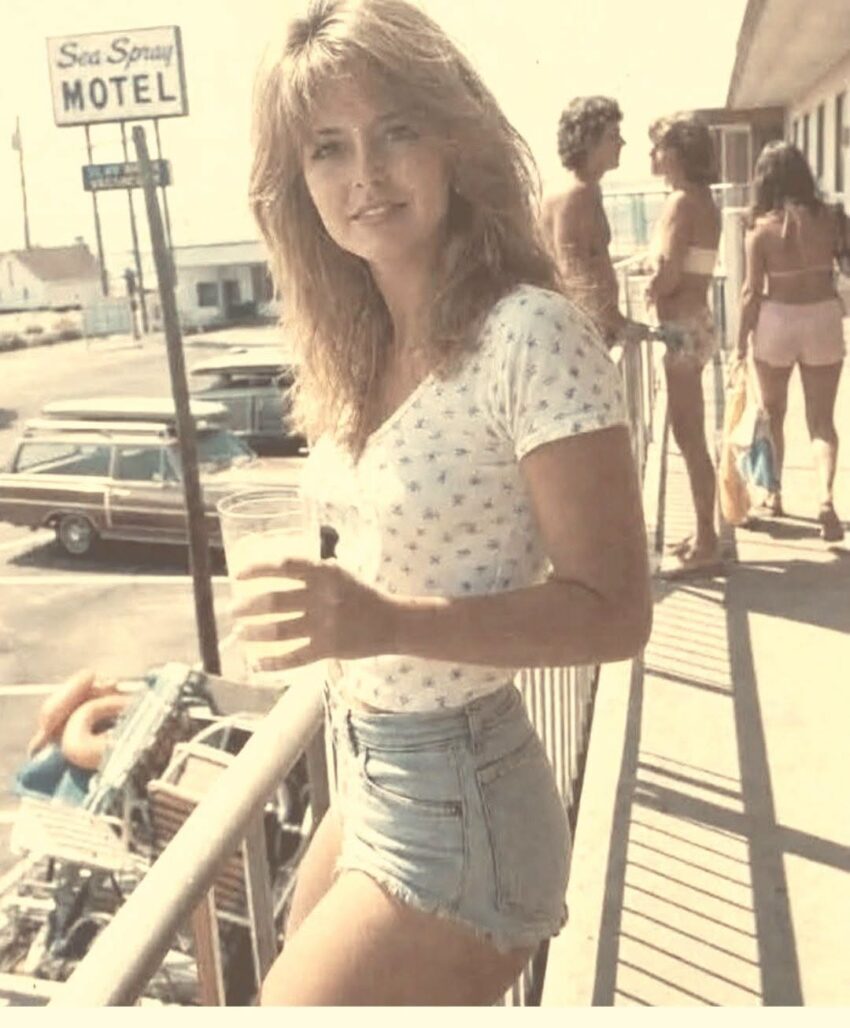
Discover what made women’s fashion, hairstyles, makeup, and everyday style in the 1970s so distinctive, from flared trousers and colorful prints to natural hairstyles and changing social attitudes.
The 1970s were a fascinating decade for women’s fashion and culture. Looking at photographs from this era, one of the first things that stands out is how different the overall style feels compared with today. Clothing was expressive, hairstyles were distinctive, and women increasingly used fashion as a way to show individuality and independence.
👗 Fashion Was Bold and Expressive
One of the most recognizable features of 1970s women’s fashion was the variety. There wasn’t just one popular look. Women could choose from bohemian dresses, tailored pantsuits, denim, maxi skirts, jumpsuits, and colorful printed clothing.
Flared trousers and bell-bottom jeans became particularly associated with the decade. Many outfits also featured high waists, wide belts, flowing fabrics, and dramatic collars.
Colors and patterns were another major feature. Earthy shades such as brown, orange, mustard, olive, and beige were common, while psychedelic and floral prints added brighter touches.
💇♀️ Hairstyles Were a Big Part of the Look
Hair in the 1970s was often much more noticeable than the relatively simple styles seen in some earlier decades.
Women wore:
- Long, flowing hair
- Layered cuts
- Feathered hairstyles
- Curtain bangs
- Voluminous, natural-looking styles
- Shorter textured cuts
Different hairstyles also reflected the growing diversity of fashion and culture during the decade. Some women embraced very polished salon styles, while others preferred a more natural appearance.
💄 Makeup Was Distinctive
Makeup also helped define the period. Eye makeup could be emphasized with eyeliner and mascara, while cheeks and lips were often kept in warmer, more natural shades.
The beauty ideal was not completely uniform. Some women favored a glamorous appearance, while others embraced a simpler, more natural look.
👜 Accessories Completed the Outfit
Accessories could make an otherwise simple outfit look unmistakably 1970s.
Large sunglasses, scarves, hoop earrings, statement jewelry, platform shoes, handbags, and wide belts were all popular choices.
Accessories were often bold rather than minimal, which is quite different from today’s trend toward understated styling.
🌸 The Rise of Individuality
Perhaps the most interesting thing about women in the 1970s was the growing emphasis on individual expression.
The decade followed major cultural changes of the 1960s. Women were increasingly challenging traditional expectations about work, family, relationships, and personal independence. Fashion became one way to express these changing attitudes.
Not every woman dressed the same way, of course. Age, location, income, culture, occupation, and personal preference all influenced appearance.
📸 Why Old Photos Feel So Different
There’s another detail people sometimes overlook: the photographs themselves.
1970s photographs were generally taken using film cameras, and the film, lighting, color processing, and aging of photographs can give them a distinctive warm, grainy appearance. This can make people and clothing appear even more “vintage” than they actually looked in person.
So when you look at a photograph from the 1970s, you’re seeing both the fashion of the period and the visual character of 1970s photography.
❤️ What Makes the 1970s So Memorable?
The 1970s weren’t defined by one particular style. Instead, they were a decade of experimentation. Women could be glamorous, casual, bohemian, professional, sporty, or completely unconventional.
That’s perhaps the biggest thing to notice: women’s fashion was becoming a form of personal expression.
From flowing dresses and bell-bottoms to natural hairstyles and statement accessories, the 1970s created a distinctive visual identity that continues to influence fashion today.
Final Thought
When you look at women in photographs from the 1970s, don’t just notice the clothes. Look at the hair, makeup, accessories, posture, photography style, and the confidence of the era. Together, these details tell a much bigger story about how women’s lives and self-expression were changing during the decade.