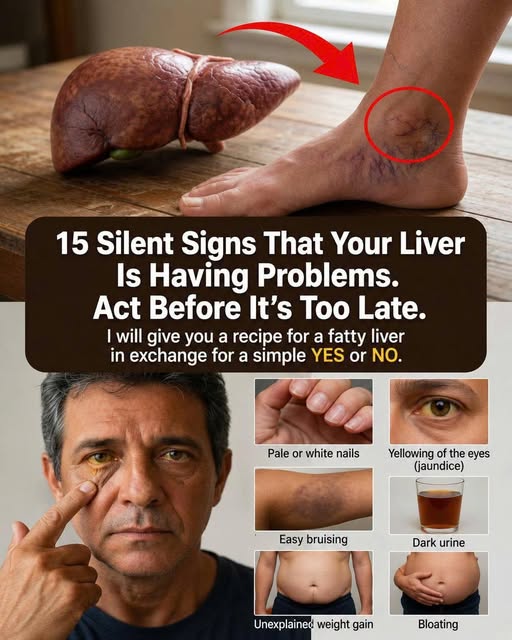
Learn about common warning signs that may indicate a liver problem, including unusual fatigue, jaundice, dark urine, abdominal swelling, itching, and unexplained changes in your health.
Your Liver Might Be Sending Silent Signals Right Now: Symptoms Many People Ignore
Your liver performs hundreds of important functions every day. It helps process nutrients, produces bile, stores energy, supports blood clotting, and helps the body process medications and other substances.
The tricky part is that many liver conditions can develop with few or no obvious symptoms in their early stages. When symptoms do appear, they can sometimes look like ordinary digestive problems, tiredness, or changes that people simply attribute to getting older.
Recognizing possible warning signs doesn’t mean you have liver disease—but persistent or unexplained symptoms deserve medical attention.
1. Unusual or Persistent Fatigue
Feeling tired after a poor night’s sleep is normal. Persistent fatigue without an obvious explanation, especially when it continues for weeks, can occur with various liver conditions.
However, fatigue is extremely nonspecific and can also result from anemia, thyroid problems, sleep disorders, infections, stress, and many other causes.
2. Yellowing of the Skin or Eyes
One of the better-known signs of liver or bile-related problems is jaundice, which causes the skin or whites of the eyes to appear yellow.
It happens when bilirubin builds up in the bloodstream.
Jaundice should not be ignored, particularly when it develops suddenly or is accompanied by abdominal pain, vomiting, fever, or significant illness.
3. Dark Urine
Urine that becomes unusually dark—particularly when it resembles tea or cola—can sometimes occur when bilirubin levels are elevated.
Dark urine can also result from dehydration, medications, foods, or other conditions, so it isn’t specific to liver disease.
If the change persists or occurs together with yellow skin or eyes, contact a healthcare professional.
4. Pale or Clay-Colored Stool
Very pale or clay-colored stools can sometimes indicate that bile isn’t reaching the intestines normally.
This may occur because of problems involving the liver, gallbladder, or bile ducts.
A persistent change in stool color deserves medical evaluation.
5. Itchy Skin
Persistent itching without an obvious skin rash can sometimes occur with certain liver and bile-flow disorders.
But itching is common and has many possible causes, including allergies, dry skin, medications, and dermatological conditions.
6. Swelling in the Abdomen or Legs
Advanced liver disease can cause fluid to accumulate in the abdomen, known as ascites, or contribute to swelling in the legs and ankles.
Abdominal swelling can have many other causes, however. New or unexplained swelling should be assessed by a healthcare professional rather than assumed to be a liver problem.
7. Nausea or Loss of Appetite
Some people with liver disease experience nausea, reduced appetite, or an uncomfortable feeling after eating.
These symptoms are common across many digestive and non-digestive conditions, so they aren’t enough by themselves to diagnose liver disease.
8. Easy Bruising or Bleeding
The liver produces proteins involved in normal blood clotting. When liver function becomes significantly impaired, some people may bruise or bleed more easily.
Other causes—including medications, nutritional deficiencies, and blood disorders—can produce similar symptoms.
9. Pain or Discomfort in the Upper Right Abdomen
The liver is located in the upper-right portion of the abdomen. Some liver conditions can cause discomfort in this area.
However, pain there can also originate from the gallbladder, stomach, intestines, muscles, or other structures.
Persistent or severe abdominal pain should be medically evaluated.
10. Confusion or Changes in Alertness
In advanced liver disease, toxins that would normally be processed by the liver can accumulate and affect brain function. This can lead to confusion, unusual sleepiness, personality changes, or difficulty concentrating.
Sudden confusion is an emergency, particularly if it develops rapidly. Seek urgent medical attention rather than assuming it is simply a liver symptom.
Why Liver Disease Can Be Difficult to Detect
Some liver conditions—including fatty liver disease—may produce few noticeable symptoms for a long time.
That is why people with risk factors such as obesity, type 2 diabetes, high cholesterol, heavy alcohol consumption, or certain medication exposures may benefit from discussing liver health with their healthcare professional.
Blood tests and, when appropriate, imaging can help evaluate liver function and structure.
When Should You See a Doctor?
Don’t wait for symptoms to become severe if you have ongoing concerns.
Seek medical advice if you experience persistent fatigue, unexplained itching, repeated abdominal discomfort, unusual bruising, persistent appetite changes, or other unexplained symptoms.
Seek urgent medical care for symptoms such as yellowing of the skin or eyes accompanied by severe illness, vomiting blood, black/tarry stools, severe abdominal pain, significant confusion, fainting, or rapidly worsening swelling.
Protecting Your Liver
There isn’t one magic drink or food that “cleanses” the liver. Instead, focus on sustainable habits:
- Maintain a healthy weight if recommended for you.
- Eat a balanced diet rich in minimally processed foods.
- Limit excessive alcohol consumption.
- Exercise regularly.
- Use medications only as directed.
- Be cautious with unverified herbal or “detox” supplements.
- Manage conditions such as diabetes and high cholesterol with appropriate medical care.
- Get recommended vaccinations and medical screenings.
Final Takeaway
Your liver can sometimes be affected before obvious symptoms appear, which is why persistent changes shouldn’t be brushed aside.
At the same time, these symptoms do not automatically mean liver disease. Many have several possible causes.
If something about your health has changed and the change persists, the safest approach is to speak with a healthcare professional and determine the actual cause rather than relying on internet symptom lists or “liver detox” remedies.