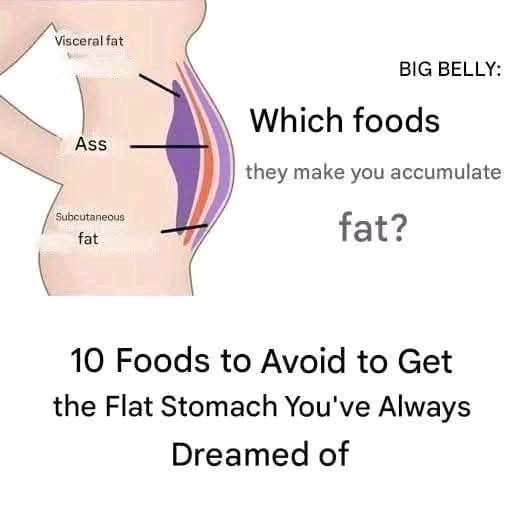
A flat stomach is one of those fitness goals that sounds simple but is often surrounded by misleading advice. You may see headlines promising that eliminating a handful of foods will “melt belly fat,” but the reality is more nuanced.
Your stomach can look larger because of body fat, bloating, constipation, water retention, or simply the amount of food currently in your digestive system. Gas and bloating are also normal digestive experiences, although certain foods and eating habits can make them more noticeable.
So, rather than thinking of these foods as completely “bad,” think of them as foods to limit or monitor, especially if you’re trying to reduce bloating or manage your overall calorie intake.
1. Sugary Soft Drinks
Regular soda, sweetened iced tea, energy drinks, fruit drinks, and other sugary beverages can make it surprisingly easy to consume a lot of calories without feeling full.
The CDC identifies sugary drinks as a major source of added sugar and notes that frequently consuming them is associated with weight gain and other health problems.
For a flatter-looking stomach, replacing these drinks with water, unsweetened tea, or unsweetened coffee can be a simple change.
Try instead:
Water with lemon or lime, unsweetened tea, or plain water.
2. Carbonated Drinks
Even drinks without much sugar can sometimes contribute to a temporarily bloated stomach.
When you drink fizzy beverages, you swallow additional gas. NIDDK specifically recommends limiting carbonated drinks when gas and bloating are a problem.
That doesn’t mean sparkling water is unhealthy. It simply means that if you notice your stomach becomes uncomfortable or distended after carbonated drinks, reducing them may help.
Try instead:
Still water or unsweetened non-carbonated drinks.
3. Deep-Fried and Very Fatty Foods
French fries, fried chicken, samosas, pakoras, and other heavily fried foods can be high in calories and fat.
Large amounts of high-fat food may also worsen bloating for some people.
You don’t have to eliminate fried food forever. The key is portion size and frequency.
Try instead:
Grilled, baked, roasted, or air-fried versions of your favorite foods.
4. Highly Processed Salty Foods
Processed foods such as chips, instant noodles, processed meats, packaged snacks, and some fast foods can contain substantial amounts of sodium.
The CDC recommends limiting highly processed foods that are high in sodium and choosing more minimally processed foods where possible.
A very salty meal may also make you feel temporarily “puffy,” although that isn’t the same thing as gaining abdominal fat.
Try instead:
Fresh vegetables, fruit, eggs, lean meat, fish, yogurt if tolerated, nuts, and minimally processed meals.
5. Processed Meats
Bacon, sausages, salami, hot dogs, and similar processed meats can be high in sodium and saturated fat.
Rather than making them everyday staples, consider eating them less frequently and choosing other protein sources more often.
Try instead:
Chicken, fish, eggs, beans, lentils, or other minimally processed protein sources.
6. Pastries, Cakes, and Sugary Desserts
Cookies, cakes, donuts, pastries, and similar foods can combine added sugar, refined carbohydrates, and fat in relatively small portions.
You don’t need to completely ban dessert to achieve a healthy weight. However, eating these foods frequently can make it harder to control your overall calorie intake.
The CDC recommends choosing an eating pattern that emphasizes nutrient-dense foods while keeping added sugars relatively low.
Try instead:
Fresh fruit, plain or lightly sweetened yogurt, or a smaller portion of your favorite dessert.
7. Sugar-Free Sweets With Sugar Alcohols
“Sugar-free” doesn’t always mean “bloat-free.”
Some sugar-free chewing gums, candies, and other products contain sweeteners such as sorbitol, mannitol, xylitol, erythritol, or maltitol. These can cause gas or digestive symptoms in some people.
If you regularly feel bloated after consuming sugar-free products, check the ingredient label.
Try instead:
Choose smaller portions of naturally sweet foods, such as fruit, if they work well for your digestion.
8. Certain Beans and Legumes — If They Trigger You
Beans, peas, and lentils are nutritious foods, so they shouldn’t automatically be placed on a “do not eat” list.
However, some people experience more gas after eating legumes because certain carbohydrates are fermented by bacteria in the large intestine.
If beans make you bloated, try smaller portions and increase them gradually rather than eliminating them completely.
Try instead:
Start with a small serving and see how your body responds.
9. Certain Vegetables That Cause Gas
Broccoli, cauliflower, cabbage, kale, onions, and similar foods can cause gas in some people.
This doesn’t make them unhealthy. In fact, vegetables are an important part of a balanced diet. The issue is individual tolerance.
NIDDK notes that cruciferous vegetables can contribute to gas symptoms in some people.
Try instead:
Cook vegetables rather than eating very large quantities raw, and keep track of which foods actually cause symptoms for you.
10. Dairy — If You’re Lactose Intolerant
Milk, ice cream, and other dairy products can cause bloating, gas, abdominal discomfort, and diarrhea in people who have difficulty digesting lactose.
But dairy isn’t inherently a “belly-fat food.” If you tolerate lactose normally, there’s generally no reason to remove dairy simply because you’re trying to achieve a flatter stomach.
Try instead:
Lactose-free milk or other alternatives if dairy consistently causes digestive symptoms.
The Bigger Secret: Don’t Confuse Bloating With Belly Fat
This is perhaps the most important point.
Bloating and body fat are not the same thing.
Bloating can make your abdomen feel full, tight, or swollen and can change throughout the day. Gas, constipation, certain foods, eating quickly, and swallowing air can all contribute.
Body fat, on the other hand, changes much more slowly.
So if your stomach looks flatter in the morning and more rounded after meals, that doesn’t necessarily mean you’ve gained fat during the day.
What Should You Eat Instead?
Rather than focusing entirely on what to remove, build most of your meals around nutritious foods such as:
- Vegetables and fruits
- Lean proteins such as chicken, fish, eggs, and legumes
- Whole grains
- Nuts and seeds
- Healthy sources of fat
- Plain or unsweetened dairy if tolerated
- Plenty of water
The CDC recommends an overall eating pattern rich in vegetables, fruits, protein, healthy fats, and whole grains while being lower in added sugars, sodium, and unhealthy fats.
Simple Habits for a Flatter-Looking Stomach
Food choices are only part of the picture. You can also:
Eat more slowly. Eating quickly can cause you to swallow more air, potentially increasing gas symptoms.
Avoid huge meals. Smaller meals may be easier to tolerate if you frequently experience bloating.
Drink water regularly. Choosing water instead of sugary drinks can reduce unnecessary calorie and added-sugar intake.
Stay physically active. Regular exercise supports overall health and healthy weight management.
Identify your personal triggers. Instead of eliminating dozens of foods, keep track of what you eat and whether particular foods repeatedly cause bloating.
Final Takeaway
There is no special list of 10 foods that magically causes belly fat. A flatter stomach comes from looking at the bigger picture: your overall eating pattern, activity level, body composition, digestion, and individual food tolerance.