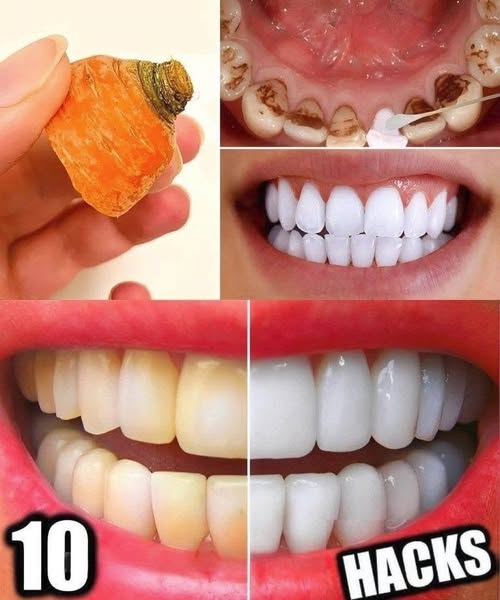
Discover 10 gentle, natural ways to make your teeth look cleaner and brighter at home. Learn which habits help remove surface stains and which DIY whitening tricks you should avoid.
A bright smile can make you feel more confident, but you don’t always need expensive treatments to improve the appearance of your teeth. Some simple habits can help remove surface stains caused by coffee, tea, tobacco, and certain foods.
However, it’s important to be realistic: natural remedies cannot safely transform naturally yellow or deeply stained teeth in just three days. The goal is to keep your teeth clean, reduce surface staining, and protect your enamel.
1. Brush Gently Twice a Day
One of the simplest ways to keep teeth looking brighter is regular brushing.
Use a soft-bristled toothbrush and fluoride toothpaste for about two minutes, twice a day. Brushing too aggressively can wear down enamel and irritate your gums, so gentle circular movements are better than heavy scrubbing.
2. Don’t Skip Flossing
Plaque and food particles between your teeth can make your smile appear dull.
Floss or use another dentist-recommended interdental cleaner once a day. Cleaning between the teeth can also help keep your gums healthier.
3. Rinse Your Mouth With Water After Staining Foods
Coffee, tea, cola, berries, and strongly colored sauces can leave pigments on the surface of teeth.
If you can’t brush immediately after eating or drinking, simply rinsing your mouth with water can help wash away some residue.
4. Eat Crunchy Fruits and Vegetables
Apples, carrots, and celery can be useful additions to a tooth-friendly diet.
Their texture can help stimulate saliva and mechanically remove some loose food particles from the mouth. They aren’t a replacement for brushing, but they make a good snack choice.
5. Drink More Plain Water
Water helps rinse away food particles and keeps saliva flowing.
Try drinking water after meals and after beverages such as coffee or tea. Choosing water instead of sugary drinks is also better for overall dental health.
6. Reduce Coffee and Tea Stains
If your teeth have become darker because of frequent tea or coffee consumption, reducing how often you drink them may help prevent additional staining.
You can also rinse your mouth with water afterward. Avoid immediately brushing after acidic drinks; waiting a little while can be gentler on enamel.
7. Use a Straw for Certain Drinks
For iced coffee, tea, or other staining beverages, using a straw can reduce direct contact between the drink and your front teeth.
It won’t completely prevent staining, but it can be a useful small habit.
8. Eat Dairy Foods if They Fit Your Diet
Milk, yogurt, and cheese provide calcium and other nutrients that support dental health.
Cheese can also stimulate saliva production, which naturally helps protect the mouth. These foods don’t bleach teeth, but they can be part of a healthy oral-care routine.
9. Keep Tobacco Away From Your Teeth
Smoking and tobacco products can cause stubborn tooth discoloration as well as serious oral-health problems.
If you use tobacco, reducing or quitting is one of the most effective things you can do for both your smile and your overall health.
10. Be Careful With DIY Whitening Trends
Many online “natural whitening” recipes recommend rubbing teeth with lemon juice, vinegar, charcoal, or other abrasive substances.
These tricks can actually damage enamel. Lemon juice and vinegar are acidic, while aggressive scrubbing can wear away the protective surface of the tooth. Once enamel is damaged, teeth may become more sensitive and can even appear more yellow because the underlying dentin becomes easier to see.
What About Baking Soda?
Baking soda is mildly abrasive and is included in some commercial toothpastes, but using household baking soda aggressively or too frequently isn’t the same as using a properly formulated toothpaste.
If you want whitening, a toothpaste specifically formulated for stain removal is generally a safer choice than experimenting with harsh DIY mixtures.
Can You Really Whiten Your Teeth in 3 Days?
You may notice that your smile looks cleaner or slightly brighter after a few days of better oral hygiene, particularly if surface stains or plaque were making your teeth look dull.
But three days is not enough to safely change the natural color of deeply discolored teeth.
If you want a significant whitening effect, talk to a dentist about proven whitening options. A dental professional can also check whether discoloration is caused by cavities, enamel problems, medication, or another underlying issue.
The Bottom Line
The safest “natural whitening hack” is really a collection of good habits: brush gently with fluoride toothpaste, clean between your teeth, drink plenty of water, limit staining drinks, eat a balanced diet, and avoid tobacco.
Rather than trying to bleach your teeth overnight, focus on keeping them clean, healthy, and naturally bright. Your smile doesn’t need an aggressive DIY treatment to look its best.