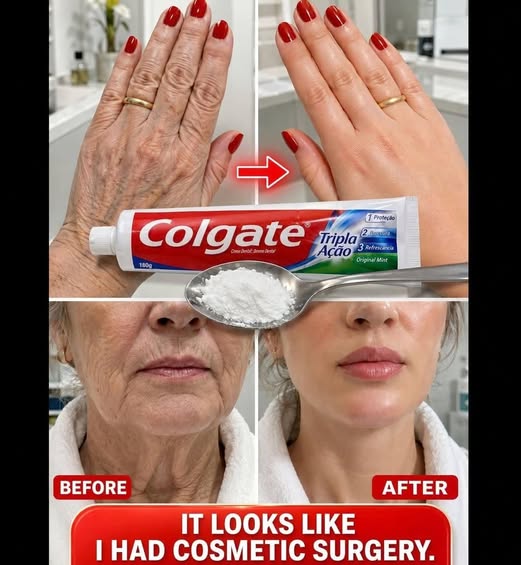
Discover simple home remedies and dermatologist-recommended skincare tips that may help soften the appearance of wrinkles, age spots, and rough skin on your hands and arms.
Our hands and arms often show signs of aging before we realize it. While we may carefully moisturize our faces and protect them from the sun, the skin on our hands and forearms is frequently exposed to sunlight, household cleaning products, and environmental damage.
Over time, this exposure can contribute to fine lines, dryness, uneven skin tone, and brown spots commonly called age spots.
Many people search for a simple home remedy to restore a smoother, more youthful appearance. Although no homemade mixture can reproduce the results of cosmetic surgery, a consistent skincare routine can help improve dryness, soften the appearance of fine lines, and gradually reduce some forms of uneven pigmentation.
The secret is understanding what your skin needs and choosing ingredients that are gentle enough to use regularly.
Why Do Hands and Arms Develop Wrinkles and Age Spots?
Several factors contribute to visible changes in the skin.
1. Sun Exposure
Ultraviolet (UV) radiation is one of the major contributors to premature skin aging. Repeated exposure can damage collagen and elastin, the proteins that help keep skin firm and flexible.
Sun exposure can also trigger the development of flat brown spots, commonly known as age spots or sunspots.
These spots are usually harmless, but a new, changing, irregular, or bleeding spot should be assessed by a healthcare professional rather than automatically assumed to be an age spot.
2. Natural Aging
As we age, the skin gradually becomes thinner and produces less collagen. The hands may appear less plump, and fine lines can become more noticeable.
These changes are natural and cannot be completely reversed with a topical remedy.
3. Dryness and Frequent Handwashing
Frequent washing, detergents, household cleaners, and cold weather can weaken the skin’s protective barrier.
When the skin loses moisture, fine lines may look more pronounced. This is one reason moisturizing can make hands look smoother relatively quickly.
4. Lack of Sun Protection
Many people apply sunscreen to their faces but forget their hands and arms. Daily UV exposure can continue to contribute to discoloration and premature aging even when the weather is cloudy.
Protecting the skin from further damage is an important part of maintaining its appearance.
A Simple Home Remedy for Softer Hands
One of the safest and most practical approaches is to use a fragrance-free moisturizer with an occlusive ingredient, such as petrolatum, to help retain moisture.
This may not sound as exciting as a miracle anti-aging recipe, but it is often more useful than mixing several kitchen ingredients together.
What You Need
- A gentle, fragrance-free moisturizer
- A small amount of plain petroleum jelly
- Clean, slightly damp hands
How to Use It
Step 1: Wash gently. Use lukewarm water and a mild cleanser. Avoid very hot water, which can worsen dryness.
Step 2: Leave the skin slightly damp. Pat your hands dry without rubbing them harshly.
Step 3: Apply moisturizer. Massage a fragrance-free cream into the backs of your hands, fingers, wrists, and forearms.
Step 4: Seal in moisture if needed. For very dry areas, apply a thin layer of petroleum jelly over the moisturizer, especially before bedtime.
Step 5: Repeat consistently. Moisturize after washing your hands and whenever your skin feels dry.
This routine can improve softness and make dehydration-related fine lines less noticeable. It will not remove established age spots or permanently reverse deep wrinkles.
Can Aloe Vera Help With Wrinkles?
Aloe vera gel is popular in homemade skincare because it can provide a cooling, moisturizing sensation.
However, evidence that aloe vera alone meaningfully reduces established wrinkles or age spots is limited.
If you wish to try it, choose a plain, fragrance-free product and test it on a small area first. Stop using it if you experience redness, itching, burning, or a rash.
Avoid applying homemade mixtures containing lemon juice, baking soda, or other irritating substances to your skin. Lemon juice can cause irritation and may trigger a reaction when skin is exposed to sunlight.
Ingredients That May Help Improve Age Spots
For people concerned mainly about brown spots rather than dryness, certain well-studied skincare ingredients may help.
Vitamin C
Topical vitamin C may help improve the appearance of uneven pigmentation and provides antioxidant activity. Results vary depending on the formulation and how consistently it is used.
Niacinamide
Niacinamide, a form of vitamin B3, may help improve uneven skin tone and support the skin barrier. It is available in many moisturizers and serums.
Retinol
Retinol may gradually improve some signs of photoaging, including fine lines and uneven pigmentation. However, it can cause dryness, peeling, and irritation, particularly when introduced too quickly.
Start cautiously and seek professional advice if you have sensitive skin or an existing skin condition.
Important: If you are pregnant, avoid topical retinoids, including retinol, unless your obstetrician specifically advises otherwise. It is generally recommended to avoid them during pregnancy.
The Most Important Step: Protect Your Hands From the Sun
Even the best moisturizer cannot prevent continued UV damage on its own.
To help protect your hands and arms:
- Apply broad-spectrum SPF 30 or higher sunscreen to exposed skin.
- Reapply approximately every two hours when outdoors, and after washing or heavy sweating.
- Wear long sleeves when practical.
- Use protective gloves for gardening and other activities involving prolonged outdoor exposure.
- Avoid tanning beds and deliberate tanning.
Sun protection helps prevent existing spots from becoming darker and reduces the development of additional sun damage.
How Long Does It Take to See Results?
The timeline depends on the problem you are treating.
- Dryness: Skin may feel softer after the first few applications.
- Fine lines caused partly by dehydration: Their appearance may improve as the skin becomes better moisturized.
- Uneven pigmentation: Improvement may take several weeks or months with suitable skincare and consistent sun protection.
- Deep wrinkles and significant skin laxity: Moisturizers may improve texture but cannot provide the effects of surgery or professional skin-tightening procedures.
Be cautious of advertisements promising dramatic transformations in a few days. Before-and-after photographs may also use different lighting, angles, or editing.
When Should You See a Dermatologist?
Consult a healthcare professional if a spot is new, changing in size or color, irregular in shape, bleeding, or persistently itchy.
A dermatologist can determine whether pigmentation is benign and recommend appropriate treatment. Options for confirmed age spots may include prescription creams, chemical peels, cryotherapy, or laser procedures, depending on the individual’s skin and medical history.
Final Thoughts
You do not need an expensive anti-aging routine to begin caring for the skin on your hands and arms.
Gentle cleansing, regular moisturizing, and daily sun protection can help your skin feel softer and look healthier. Ingredients such as vitamin C and niacinamide may offer additional help for uneven pigmentation, while more established wrinkles may require professional treatment for substantial improvement.
The most reliable approach is not a miraculous kitchen mixture but a consistent routine that protects the skin, supports its moisture barrier, and avoids unnecessary irritation.
Beautiful skin does not have to be completely wrinkle-free. Healthy, comfortable skin at every age is a worthwhile goal.