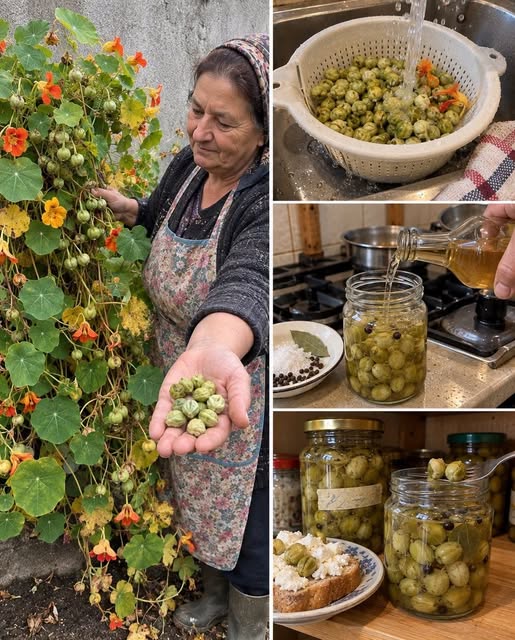
Discover why the little green seed pods that appear after flowers fade can be worth saving, how to collect and store them, and how they may help you grow beautiful new plants.
When flowers begin to fade, many gardeners immediately remove the dried blooms to keep their gardens looking neat. But before you cut everything off, take a closer look. Those tiny green bumps or seed pods forming where the flowers once stood may hold the key to growing an entirely new generation of plants.
These little green treasures are often overlooked, yet they can contain developing seeds that allow you to propagate flowers without buying new plants every season.
What Are Those Little Green Seeds?
After a flower finishes blooming, some plants begin producing seed pods. These small green structures develop where the flower once grew and gradually mature as the plant completes its natural reproductive cycle.
Depending on the species, the pods may eventually turn brown, dry out, split open, or release tiny seeds.
Not every flower produces usable seeds, however. Some ornamental plants are sterile hybrids, while others need pollination before seeds can develop. Identifying the plant is the first step toward knowing whether those green pods are worth saving.
Why You Shouldn’t Remove Them Too Soon
Many gardeners deadhead flowers as soon as they fade. Deadheading can encourage additional blooms in certain plants, but removing every spent flower also removes any developing seeds.
If your goal is to collect seeds, leave a few healthy flower heads on the plant.
The green pods need time to mature. Picking them too early may result in immature seeds that cannot germinate successfully.
Watch for these signs of maturity:
- The green pods become larger and firmer.
- Their color begins changing from green to yellow or brown, depending on the plant.
- The pods become dry or papery.
- Seeds inside become fully developed.
Avoid harvesting solely because a pod looks large. Different plants mature at different rates.
How to Collect and Save the Seeds
Saving seeds is often simple, and it can help reduce gardening costs.
Step 1: Choose healthy plants. Select plants with strong growth and no obvious signs of disease. Remember that seeds from hybrid varieties may not produce flowers identical to the parent plant.
Step 2: Allow the pods to mature. Leave them attached until they show the appropriate signs of maturity for that species.
Step 3: Collect carefully. If the pods are ready to open, place a paper bag underneath them or gently cut the seed heads into a container to avoid losing tiny seeds.
Step 4: Dry the seeds when appropriate. Many seeds benefit from being dried in a cool, well-ventilated place before storage. Some species have special requirements and should not be treated like ordinary dry seeds.
Step 5: Label and store them. Keep suitable dry seeds in labeled paper envelopes or other appropriate containers, then store them in a cool, dry location. Make sure they are fully dry before sealing them in an airtight container.
Write the plant’s name and collection date on each packet so you know what you have saved.
Can You Grow New Flowers From These Seeds?
Yes, if the plant produces viable seeds and the seeds receive the conditions they need to germinate.
Some seeds sprout readily when planted in moist potting mix, while others require light, darkness, a period of cold, or other special treatments.
For the best results, research the particular plant before planting. Use clean containers, suitable growing medium, and gentle watering. Keep the soil appropriately moist rather than waterlogged.
Also remember that seedlings may take weeks or months to mature, and some flowering plants need an entire growing season before producing blooms.
Should You Always Leave Faded Flowers on Your Plants?
Not necessarily. The best approach depends on your gardening goal.
If you want more flowers, deadheading may help certain varieties produce additional blooms. If you want to save seeds, leave selected flower heads in place until the seeds mature.
You can do both by removing most faded flowers while keeping a few healthy ones for seed collection.
However, remove diseased flower heads and seed pods when necessary to protect the plant and surrounding garden.
The Secret Is Knowing Which Plant You’re Growing
Those little green seed pods can be a wonderful opportunity, but their value depends on the plant. A green pod on one flower may contain developing seeds, while a similar-looking bump on another plant may be something entirely different.
Before pulling out the faded flowers, inspect them carefully. You might be looking at the beginning of your next planting season rather than garden waste.
Do you know which flower produces the little green seeds in your garden? Identifying the plant will help you determine when to collect its seeds, how to store them, and how to grow new plants successfully.