: Kidney damage can develop gradually, especially with age. Discover 15 everyday habits, conditions, and exposures that can put kidney health at risk after 50—and practical ways to protect your kidneys.
15 “Silent Kidney Killers” That Hide in Everyday Life After Age 50
Your kidneys work around the clock to filter waste from your blood, balance fluids and electrolytes, and help regulate blood pressure. The problem is that kidney disease can develop with few or no noticeable symptoms in its early stages.
After age 50, paying attention to blood pressure, blood sugar, medications, hydration, and other risk factors becomes increasingly important.
Here are 15 everyday factors that can quietly contribute to kidney problems.
1. Uncontrolled high blood pressure
High blood pressure can damage the small blood vessels inside the kidneys over time. At the same time, kidney disease can make blood pressure harder to control.
What helps: Check your blood pressure regularly and follow your healthcare professional’s treatment plan.
2. Poorly controlled diabetes
High blood glucose can gradually damage the kidneys’ filtering system. Diabetes is one of the major causes of chronic kidney disease.
If you have diabetes, regular blood and urine testing can help detect kidney problems early.
3. Taking too many NSAID painkillers
Frequent or prolonged use of nonsteroidal anti-inflammatory drugs (NSAIDs), such as ibuprofen or naproxen, can reduce blood flow to the kidneys and increase the risk of kidney injury in some people.
This risk can be greater in people who already have kidney disease, dehydration, heart problems, or certain other conditions.
Don’t stop prescribed medication without discussing it with your doctor.
4. Dehydration
Severe dehydration can reduce blood flow to the kidneys and contribute to acute kidney injury.
Older adults may be particularly vulnerable because thirst sensation can decrease with age.
That doesn’t mean you should force excessive amounts of water. Your ideal fluid intake depends on your health, medications, activity, and kidney or heart function.
5. Excessive salt
A high-sodium diet can contribute to high blood pressure and fluid retention, indirectly putting additional stress on the kidneys.
Processed meats, packaged snacks, instant foods, sauces, and many restaurant meals can contain substantial amounts of sodium.
6. Smoking
Smoking damages blood vessels and increases the risk of cardiovascular disease, which is closely connected to kidney health.
Quitting smoking is one of the most useful steps you can take for overall vascular and kidney health.
7. Being significantly overweight
Excess body weight is associated with conditions such as high blood pressure and type 2 diabetes, both of which can increase kidney disease risk.
Even modest improvements in weight, physical activity, and diet can benefit overall metabolic health.
8. A highly processed diet
A diet dominated by ultra-processed foods can contribute to excessive sodium, sugar, unhealthy fats, and calories.
Instead, aim for a varied diet containing vegetables, fruits, whole grains, appropriate protein sources, and minimally processed foods.
9. Too much added sugar
Regularly consuming large amounts of sugary drinks and sweets can contribute to weight gain and poor blood-glucose control.
Over time, these metabolic problems can increase the risk of conditions that damage the kidneys.
10. Ignoring urinary tract infections
A simple bladder infection doesn’t usually cause chronic kidney disease when treated appropriately. However, certain untreated or recurrent infections can spread toward the kidneys and cause serious complications.
Symptoms such as fever, chills, back or side pain, painful urination, or blood in the urine deserve medical attention.
11. Excessive alcohol consumption
Heavy alcohol use can contribute to dehydration, high blood pressure, liver disease, and other problems that may indirectly affect kidney health.
Moderation—or avoiding alcohol altogether—is safer for many people.
12. Taking supplements without checking their safety
“Natural” does not automatically mean harmless.
Some supplements can interact with medications or contain substances that may be problematic for people with kidney disease.
Always tell your healthcare professional about supplements, herbal products, and vitamins you’re taking.
13. Extreme high-protein diets
Protein is an essential nutrient, but very high protein intake may be inappropriate for some people, particularly those who already have impaired kidney function.
If you have kidney disease, ask a healthcare professional or registered dietitian about your individual protein needs rather than following a restrictive diet from social media.
14. Ignoring sleep and sleep apnea
Sleep apnea can contribute to high blood pressure and other cardiovascular problems.
If you regularly snore loudly, wake up gasping, or remain unusually tired during the day, discuss these symptoms with a healthcare professional.
15. Skipping kidney health checks
Perhaps the biggest mistake is assuming that healthy-feeling kidneys must be healthy.
Early kidney disease can be silent. A simple blood test measuring kidney function and a urine test for albumin can help identify problems before major symptoms appear.
Warning signs you shouldn’t ignore
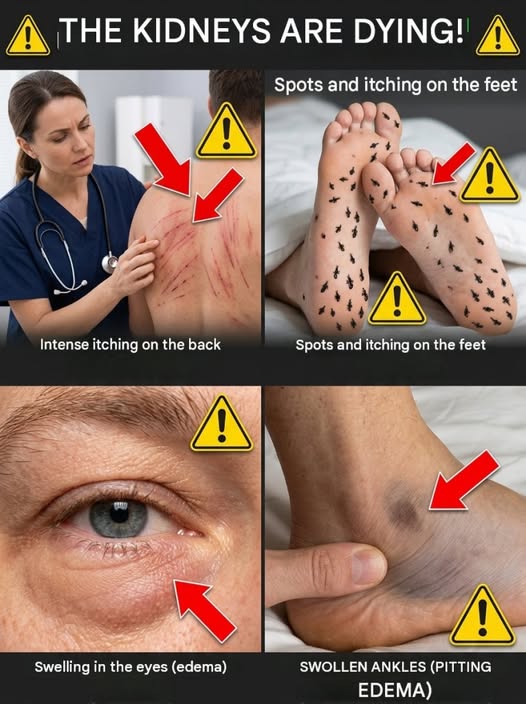
Although early kidney disease may cause no symptoms, more advanced problems can produce:
- Swelling around the ankles, feet, or face
- Changes in urination
- Blood in the urine
- Persistent fatigue
- Nausea or loss of appetite
- Itching
- Muscle cramps
- Shortness of breath
These symptoms can have many causes and don’t automatically mean kidney disease.
How to protect your kidneys after 50
You don’t need a complicated “kidney detox.” Focus on the basics:
Control blood pressure.
Manage blood sugar.
Avoid unnecessary painkillers.
Don’t smoke.
Limit excessive sodium and highly processed foods.
Stay appropriately hydrated.
Exercise regularly.
Maintain a healthy weight.
Review medications and supplements with your healthcare professional.
Get kidney tests when you’re at increased risk.
The most important takeaway
There isn’t a single food, drink, or supplement that can “clean” or detox your kidneys. Your kidneys already have sophisticated systems for filtering your blood.
The best protection is early detection and control of the conditions that damage them, particularly high blood pressure and diabetes.
If you’re over 50—or have diabetes, high blood pressure, cardiovascular disease, a family history of kidney disease, or another risk factor—ask your healthcare professional whether regular kidney-function and urine testing is appropriate.