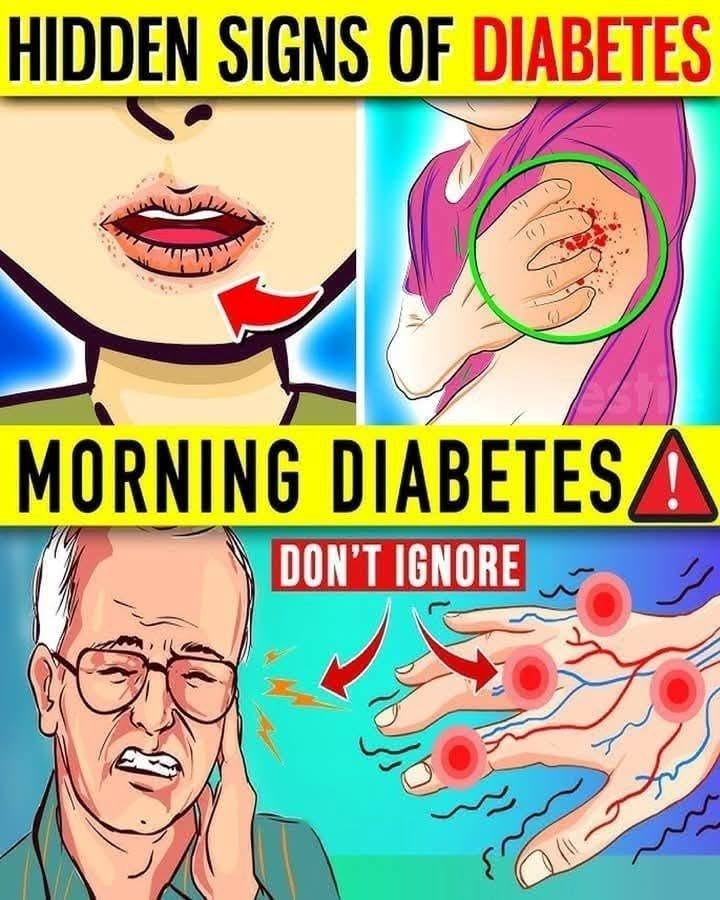
Learn about seven nighttime symptoms that can sometimes be associated with diabetes or high blood sugar, plus practical, evidence-based habits that may support healthier glucose levels.
Blood sugar can change throughout the night, and some symptoms may become more noticeable while you’re sleeping or shortly after waking. Nighttime symptoms alone cannot diagnose diabetes, but recurring patterns are worth discussing with a healthcare professional.
1. Waking Up Frequently to Urinate
Needing to urinate several times overnight, especially when this is a new change, can occur when blood glucose is elevated. Excess glucose can cause the kidneys to pull more water into the urine.
However, nighttime urination can also have many other causes, including drinking fluids late, certain medications, urinary problems, or sleep disorders.
2. Feeling Extremely Thirsty
Excessive thirst during the night may accompany frequent urination and dehydration caused by high blood glucose.
If you regularly wake up needing large amounts of water, particularly along with other symptoms such as frequent urination or unexplained weight changes, consider getting your blood glucose checked.
3. Night Sweats or Shaking
Sweating, trembling, hunger, a racing heartbeat, confusion, or nightmares can sometimes occur during low blood sugar (hypoglycemia), particularly in people taking insulin or certain diabetes medications.
If you have diabetes and experience these symptoms repeatedly, discuss them with your healthcare professional rather than simply changing your medication yourself.
4. Restless or Poor-Quality Sleep
Blood glucose fluctuations, nighttime urination, thirst, and other diabetes-related symptoms can interfere with sleep.
Poor sleep can also make blood glucose management more difficult, creating a cycle in which sleep and glucose control affect each other.
5. Tingling or Burning Feet
Numbness, tingling, or burning sensations in the feet can be associated with diabetic peripheral neuropathy, a nerve complication that can develop after prolonged periods of elevated blood glucose.
Persistent or worsening symptoms should be evaluated by a healthcare professional.
6. Headache or Fatigue in the Morning
Some people with poorly controlled blood glucose may wake feeling unusually tired or experience headaches. These symptoms are nonspecific, however, and can also result from dehydration, insufficient sleep, sleep apnea, stress, or many other conditions.
7. Nighttime Hunger
Strong hunger during the night can occur for many reasons. In someone with diabetes, it may sometimes accompany low blood sugar, especially when combined with sweating, shaking, or weakness.
If you frequently wake up hungry and have diabetes, checking your glucose when symptoms occur—if your healthcare team has recommended monitoring—can help identify patterns.
Tips for Healthier Blood Sugar
Choose Balanced Evening Meals
Build dinner around vegetables, a source of protein, and high-fiber carbohydrates. Examples include lentils with vegetables, grilled chicken with salad and a modest portion of whole grains, or beans with vegetables.
Limit Sugary Drinks
Soft drinks, sweetened tea, energy drinks, and other sugary beverages can cause rapid increases in blood glucose. Water is generally a better everyday choice.
Be Mindful of Late-Night Snacks
If you need a snack, choose something nutritious and appropriately portioned rather than foods high in added sugar. If you use insulin or glucose-lowering medication, follow the eating plan provided by your healthcare professional.
Stay Active
Regular physical activity can improve insulin sensitivity and help with blood glucose management. A short walk after dinner can be a practical option for many people.
Prioritize Sleep
Aim for a consistent sleep schedule and adequate sleep. Poor sleep can negatively affect appetite, insulin sensitivity, and glucose regulation.
Monitor Your Blood Sugar When Appropriate
If you have diabetes, follow the monitoring schedule recommended by your healthcare team. Don’t change insulin or other diabetes medication based solely on nighttime symptoms.
When to Seek Medical Advice
If you’re repeatedly experiencing excessive thirst, frequent urination, unexplained weight loss, persistent fatigue, blurred vision, recurrent infections, or nighttime symptoms of low blood sugar, arrange a medical evaluation.
Very high blood sugar accompanied by vomiting, severe weakness, confusion, abdominal pain, rapid breathing, or difficulty staying awake can be an emergency and requires urgent medical attention.
The key point: nighttime symptoms can provide clues, but they aren’t enough to determine whether someone has diabetes. A blood glucose test and appropriate medical evaluation are the reliable ways to assess the condition.