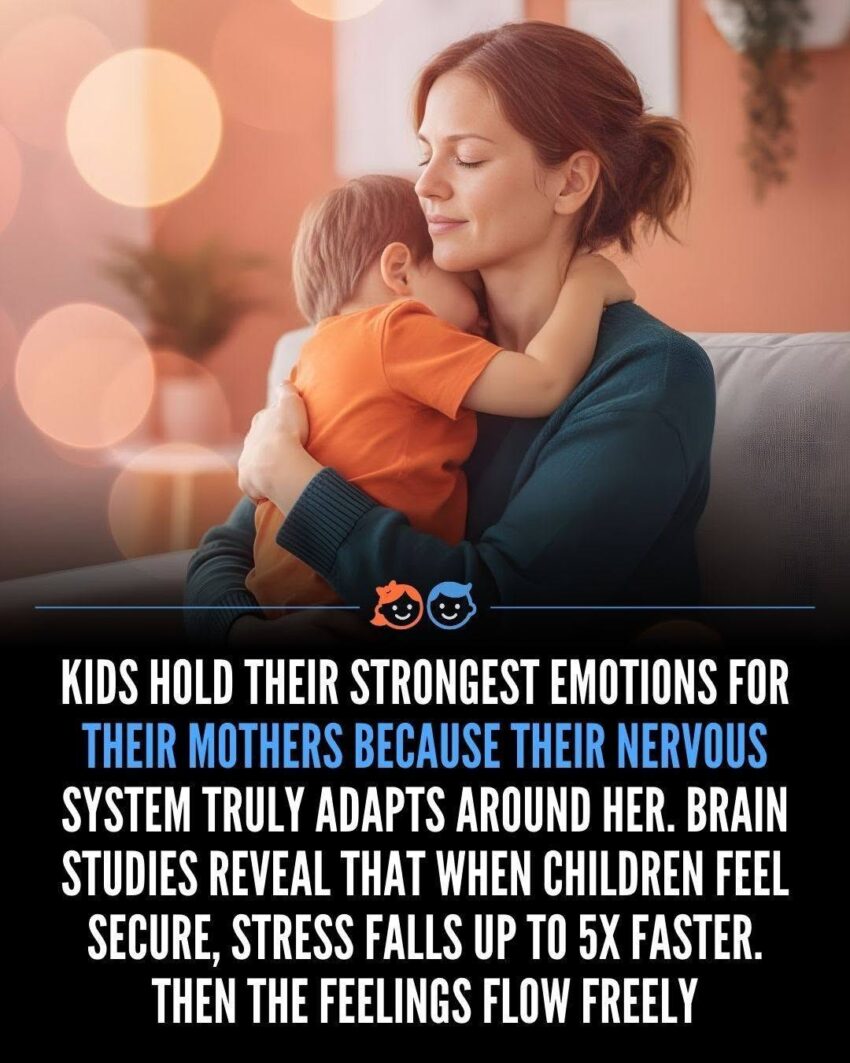
When a child becomes emotionally distant from their mother, it can be deeply painful for both sides.
A mother may wonder, “What did I do wrong?” A child may struggle to explain why they no longer feel comfortable sharing their thoughts, feelings, or personal life.
Emotional distance can look different from one family to another. A child may stop calling, avoid meaningful conversations, become unusually quiet, refuse affection, or share important parts of their life with other people instead.
It is important to remember that emotional distance does not automatically mean a child does not love their mother. Sometimes it is a response to unresolved hurt, a need for independence, difficulty communicating, or a relationship pattern that has developed over many years.
Here are seven psychological reasons that may help explain why some children emotionally distance themselves from their mothers.
1. They Feel Constantly Criticized or Judged
One of the most common reasons emotional walls develop is the feeling of being judged.
If a child repeatedly hears criticism about their appearance, grades, career, friends, relationships, parenting, or personal choices, they may eventually stop sharing information.
At first, they might argue back.
Later, they may simply stop talking.
The child may learn that telling their mother about a problem results in criticism, lectures, comparisons, or unwanted advice. Over time, silence can begin to feel safer than vulnerability.
This doesn’t necessarily mean that every criticism is harmful. Parents naturally need to guide their children. The problem can arise when criticism becomes the dominant form of communication and the child rarely feels accepted.
What can help?
Instead of immediately correcting a child’s decision, try asking:
“Do you want my advice, or would you like me to simply listen?”
That small question can make conversations feel much safer.
2. Their Need for Independence Wasn’t Respected
As children grow into teenagers and adults, they naturally develop their own identities.
They begin making decisions about friendships, education, careers, relationships, finances, clothing, beliefs, and lifestyle.
Some parents find this transition difficult.
A mother who was deeply involved in her child’s life may unintentionally continue treating an adult child as though they still need permission for every decision.
When a child repeatedly feels that their independence is being questioned, they may create emotional distance to establish boundaries.
They might stop discussing certain subjects because they expect interference.
This can be particularly noticeable during adolescence and early adulthood, when developing autonomy becomes an important part of psychological growth.
Independence isn’t rejection.
A child wanting privacy does not necessarily mean they don’t care about their mother.
Sometimes they simply want to experience adulthood without feeling constantly monitored or directed.
Healthy relationships can allow both connection and independence.
3. They Experienced Emotional Invalidations
Children need to feel that their emotions can be expressed without being immediately dismissed.
Statements such as:
- “You’re too sensitive.”
- “That’s nothing to cry about.”
- “Other children have it worse.”
- “You’re imagining things.”
- “Just forget about it.”
may seem small to an adult, but repeated experiences of emotional dismissal can teach a child that their feelings are not welcome.
Eventually, they may stop bringing emotional problems to their mother.
Instead of saying, “I’m hurt,” they say nothing.
Instead of asking for comfort, they withdraw.
Emotional validation does not mean agreeing with everything a child says. It means acknowledging that their feelings are real and worth understanding.
A parent can say:
“I understand why that situation hurt you, even if I see it differently.”
That creates space for conversation without requiring agreement.
4. They Carry Unresolved Childhood Hurt
Sometimes the distance isn’t about something happening today.
It may be connected to experiences from years earlier.
A child may remember feeling neglected, compared with siblings, excessively controlled, embarrassed, ignored, or emotionally unsupported.
The mother may remember the same period differently.
This is one reason family conflicts can be complicated. Two people can experience the same household but remember it in very different ways.
An adult child may carry feelings that were never discussed or resolved.
When those feelings remain unaddressed, physical distance or limited communication can become a protective boundary.
Can old wounds be repaired?
Sometimes, yes.
But rebuilding trust usually takes more than saying:
“That happened a long time ago. You should be over it.”
A more productive response may be:
“I didn’t realize you experienced it that way. I’d like to understand what it was like for you.”
Listening without immediately defending oneself can be an important first step.
5. They Feel Their Mother Is Too Controlling
Control can take many forms.
It isn’t always obvious.
A parent may control through direct commands, but control can also appear through guilt, emotional pressure, constant checking, threats of withdrawal, or making a child feel responsible for the parent’s happiness.
For example, an adult child may feel uncomfortable making an independent decision because they anticipate hearing:
“After everything I’ve done for you…”
When love becomes closely associated with obligation or guilt, the child may begin creating distance simply to regain a sense of freedom.
Healthy boundaries allow a person to say:
“I love you, but I need to make this decision for myself.”
A strong parent-child relationship doesn’t require one person to control the other.
6. They Don’t Feel Emotionally Safe During Conflict
Every family has disagreements.
The important question is not whether conflict occurs, but how conflict is handled.
If disagreements regularly turn into shouting, insults, threats, silent treatment, humiliation, or bringing up old mistakes, a child may eventually avoid difficult conversations altogether.
They may think:
“There’s no point explaining myself.”
So they withdraw.
This can create a cycle:
Conflict → emotional withdrawal → less communication → more misunderstanding → greater distance.
Breaking that cycle requires learning how to disagree without attacking one another.
Taking a pause during an emotionally intense conversation can sometimes be healthier than continuing an argument.
7. They Are Going Through Their Own Emotional or Life Changes
Not every period of distance is caused by a damaged relationship.
Children—and especially adult children—can become less communicative because of major life changes.
They may be dealing with:
- Marriage or a new relationship
- Parenthood
- University or career pressure
- Financial problems
- Moving to another city or country
- Friendship problems
- Stress
- Personal identity changes
- Increased responsibilities
During difficult periods, some people naturally become more private.
A child who doesn’t call every day may still deeply love their mother.
Sometimes parents interpret reduced communication as rejection when it is actually a sign that the child is overwhelmed or trying to manage a new stage of life.
Emotional Distance Doesn’t Always Mean a Lack of Love
This is perhaps the most important point.
A child can love their mother and still need boundaries.
They can appreciate everything their mother did for them and still have unresolved feelings.
They can want a relationship while also wanting more privacy.
And sometimes a child may distance themselves because they genuinely feel emotionally hurt.
Human relationships are rarely as simple as love versus hate.
Often, emotional distance is a signal that something in the relationship needs to be understood.
What Can a Mother Do?
If a child has become distant, repeatedly demanding explanations may sometimes push them further away.
Instead, consider creating an environment where communication feels safer.
You might say:
“I’ve noticed we’ve become less close lately. I don’t want to pressure you, but if I’ve hurt you in some way, I’d genuinely like to understand.”
Then listen.
Try not to immediately explain why you were right.
Try not to interrupt.
Try not to turn the conversation into a list of everything you’ve sacrificed.
The goal of the first conversation doesn’t have to be solving everything.
Sometimes the first goal is simply understanding.
When Professional Help May Be Useful
If the relationship has involved years of conflict, severe emotional pain, estrangement, or repeated unsuccessful attempts at communication, family therapy may be worth considering.
A qualified mental-health professional can provide a neutral environment where both people can communicate more safely.
However, therapy should not be used to force an adult child to reconnect or surrender reasonable boundaries.
Healthy reconciliation requires willingness from the people involved.
Final Thoughts
When a child emotionally distances themselves from their mother, there may be many reasons behind it.
They may feel criticized, controlled, emotionally dismissed, or unable to express themselves safely. They may be carrying unresolved childhood experiences—or they may simply be going through a stage of life in which they need more independence.
The most helpful response is usually not blame.
It is curiosity, patience, respect, and honest communication.
Instead of asking only:
“Why don’t my child need me anymore?”
it may be more helpful to ask:
“What might my child be experiencing, and what could help them feel safe enough to talk to me again?”
Sometimes that change in perspective can be the beginning of rebuilding a relationship.
Meta Description
Discover 7 psychological reasons why some children emotionally distance themselves from their mothers, including criticism, control, emotional invalidation, unresolved childhood hurt, and the need for independence.