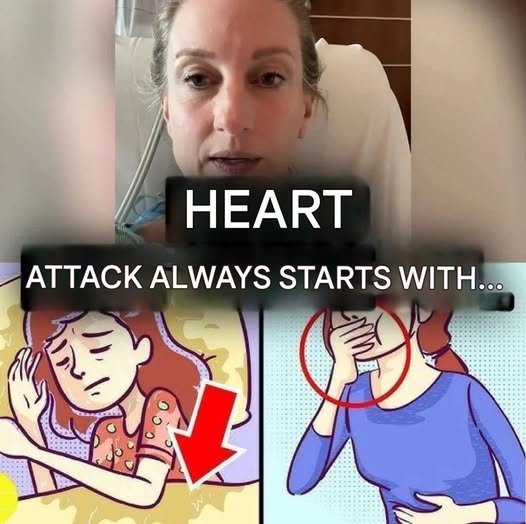
Heart attack symptoms aren’t always dramatic. Learn about warning signs that can occur before a heart attack and when symptoms such as chest pressure, unusual fatigue, shortness of breath, or pain require urgent medical attention.
A heart attack doesn’t always begin with someone suddenly clutching their chest and collapsing. In some cases, symptoms can be subtle, intermittent, or mistaken for stress, indigestion, or ordinary tiredness.
That is why stories from people who experienced a heart attack in their 40s can be an important reminder: age does not make a heart attack impossible.
Symptoms Can Appear Before a Heart Attack
Some people experience warning symptoms hours, days, or even longer before a heart attack. However, there is no reliable “one-week warning” checklist that can predict when a heart attack will happen.
Possible symptoms can include:
1. Unusual Chest Pressure or Discomfort
Chest discomfort may feel like:
- Pressure
- Tightness
- Squeezing
- Fullness
- Burning
- An uncomfortable heaviness
It doesn’t necessarily feel like severe pain.
2. Shortness of Breath
Feeling unusually short of breath—particularly during normal activities that previously felt easy—can be a warning sign.
It may occur with or without chest discomfort.
3. Unexplained Fatigue
Extreme or unusual tiredness can sometimes accompany heart problems.
The important word is unusual. If you’re suddenly exhausted without an obvious reason, especially alongside other symptoms, don’t automatically assume you simply need more sleep.
4. Pain or Discomfort Elsewhere
Heart attack discomfort can sometimes spread beyond the chest, including toward the:
- Arm or shoulder
- Back
- Neck
- Jaw
- Upper abdomen
The symptoms can vary considerably from person to person.
5. Nausea or Indigestion-Like Symptoms
Some people experience nausea, sweating, or discomfort that feels similar to indigestion.
This can make it particularly easy to dismiss a heart problem as something related to food or the stomach.
Why People Sometimes Miss the Warning Signs
A person in their 40s may think:
“I’m too young for a heart attack.”
But heart attacks can happen at younger ages, particularly when risk factors are present.
Smoking, high blood pressure, diabetes, high cholesterol, obesity, physical inactivity, and a family history of cardiovascular disease can all contribute to cardiovascular risk.
That’s why persistent or unexplained symptoms shouldn’t be dismissed simply because someone isn’t elderly.
What Should You Do If Symptoms Occur?
If you have new, severe, persistent, or unexplained chest discomfort, particularly when accompanied by shortness of breath, sweating, nausea, weakness, or pain spreading to the arm, back, neck, or jaw, treat it as a medical emergency.
Don’t drive yourself to the hospital. Seek emergency medical care immediately.
Even if the symptoms eventually disappear, recurring or unexplained symptoms deserve medical evaluation.
Don’t Wait for the “Classic” Heart Attack
One of the most dangerous assumptions is that a heart attack must involve dramatic chest pain.
Symptoms can be different between individuals, and some people have relatively mild symptoms.
The safest approach isn’t to diagnose yourself from a list of symptoms. It’s to recognize when something feels new, unusual, severe, or concerning and get appropriate medical help.
The Takeaway
A heart attack at 46—or at any other age—may not look exactly like the scenes we’ve seen in movies.
Unusual chest discomfort, breathlessness, unexplained fatigue, nausea, sweating, or discomfort spreading to other parts of the body can be important warning signs.
If you’re experiencing possible heart-attack symptoms right now, don’t wait for them to become worse. Seek emergency medical care.