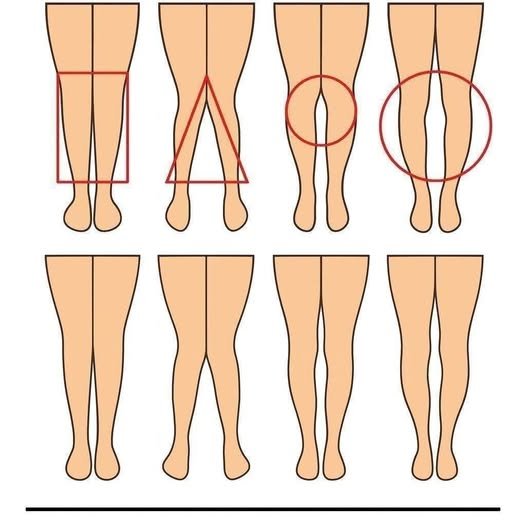
A woman’s legs can sometimes provide clues about circulation, muscle strength, swelling, skin changes, and overall health. Learn which leg changes may be worth discussing with a doctor.
A Woman’s Legs Can Tell You More About Her Health Than You Might Think
Your legs do much more than carry you from place to place. Changes in their appearance, strength, skin, temperature, or swelling can sometimes provide clues about circulation, muscle health, fluid balance, or other medical conditions.
However, the appearance of a woman’s legs cannot reliably reveal her personality, sexual history, fertility, or other private characteristics. Health-related changes should be interpreted alongside other symptoms and, when necessary, assessed by a healthcare professional.
1. Swollen Ankles or Legs
Swelling, especially around the ankles, can happen after sitting or standing for long periods. It may also occur during pregnancy or after eating a salty meal.
Persistent or unexplained swelling can sometimes be associated with problems involving the veins, heart, kidneys, liver, or certain medications.
Sudden swelling in one leg, particularly when accompanied by pain, warmth, or redness, requires prompt medical assessment because a blood clot can sometimes cause these symptoms.
2. Cold Feet
Occasionally cold feet are normal, particularly in cold weather.
But feet that remain unusually cold or become cold together with numbness, pain, pale or bluish skin, or wounds that heal slowly may indicate circulation problems and should be evaluated.
3. Changes in Skin Color
The skin on the legs can change color for many reasons.
Darkening around the ankles can sometimes occur with chronic venous problems, while unusually pale or bluish skin may be associated with reduced circulation.
A new or rapidly changing skin discoloration deserves medical attention, particularly if it is accompanied by pain or swelling.
4. Visible Veins
Spider veins and varicose veins are common, particularly as people get older and during or after pregnancy.
They are often harmless, although enlarged veins can sometimes cause aching, heaviness, itching, or swelling.
If a vein suddenly becomes painful, red, hard, or swollen, seek medical advice.
5. Muscle Strength
Leg strength can provide useful information about overall physical function.
Difficulty climbing stairs, standing from a chair, walking normally, or maintaining balance may indicate muscle weakness or another health issue.
Regular walking and appropriate strength exercises can help maintain mobility and muscle function.
6. Skin That Is Extremely Dry or Itchy
Dry skin on the legs is common and may simply result from weather, hot showers, or frequent use of harsh soaps.
Persistent itching, scaling, sores, or changes in skin texture can have other causes, including eczema, allergies, infections, or circulation-related problems.
7. Leg Cramps
Occasional cramps can occur after exercise, prolonged activity, or staying in one position for too long.
Frequent or severe cramps may sometimes be associated with certain medications, nerve problems, circulation issues, or other conditions.
If cramps are persistent or interfere with sleep and daily activities, discuss them with a healthcare professional.
8. Unexplained Bruising
Occasional bruises are common, especially after minor bumps that you may not remember.
However, frequent unexplained bruising, particularly when accompanied by unusual bleeding or other symptoms, should be evaluated.
Certain medications and medical conditions can increase the tendency to bruise.
When Should You Get Medical Advice?
Don’t rely on leg appearance alone to determine your health. Seek medical attention if you notice:
- Sudden swelling in one leg
- Significant leg pain
- Redness or warmth
- A new unexplained skin color change
- Persistent numbness or weakness
- Sores that don’t heal
- Severe or recurring cramps
- Unexplained widespread bruising
Final Thoughts
A woman’s legs can sometimes provide useful physical clues about health, but there is no reliable way to determine someone’s overall health simply by looking at the shape or appearance of her legs.
Pay attention to new changes—especially swelling, pain, skin discoloration, weakness, or circulation symptoms—and seek professional advice when something seems unusual.