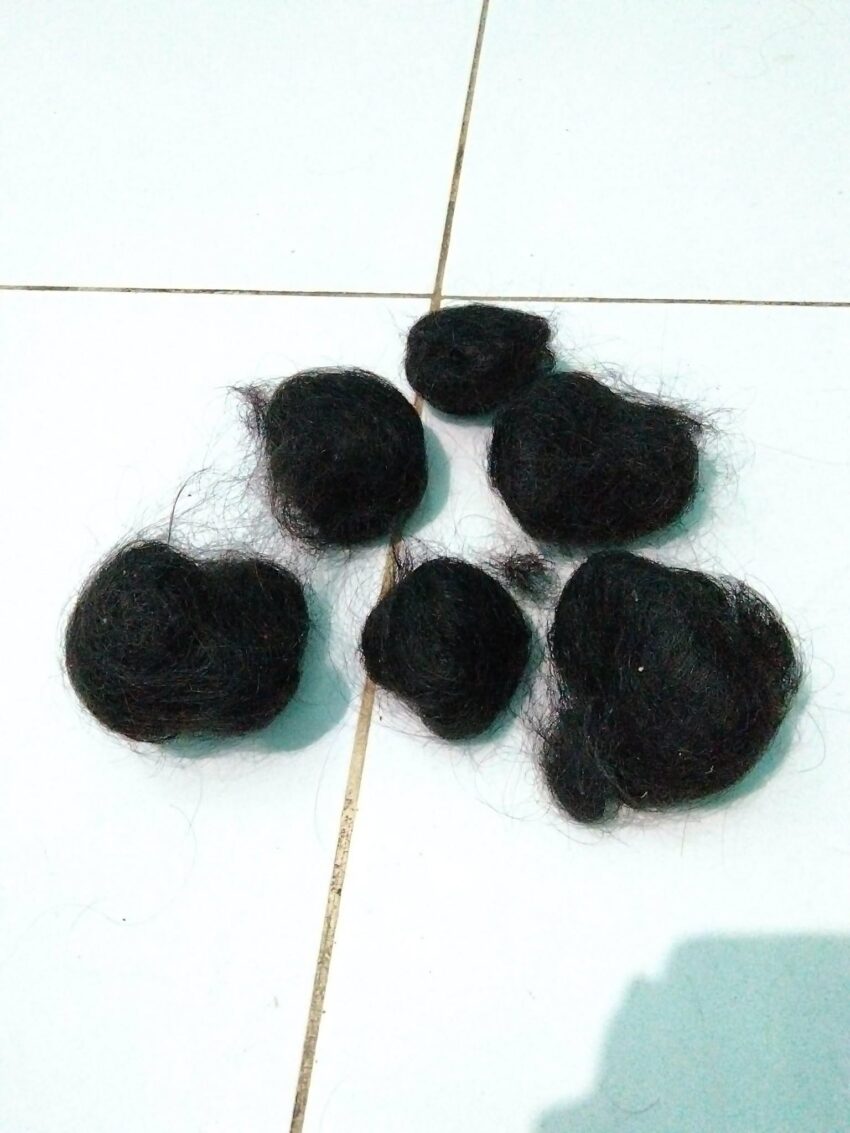
Chemotherapy-related hair loss can become more noticeable after the second treatment. Learn why it happens, how to care for your scalp, and what to expect as your hair recovers.
The Emotional Reality of Hair Loss After Chemotherapy
For many people undergoing cancer treatment, hair loss is one of the most visible and emotionally challenging side effects. After the second chemotherapy session, some patients notice that their hair begins falling out much more rapidly than before. A single shower or hair wash can leave a surprisingly large amount of hair in their hands, on the towel, or in the drain.
Seeing that much hair disappear in one wash can be frightening. It may bring feelings of sadness, frustration, vulnerability, and uncertainty about what comes next. For someone already coping with a cancer diagnosis and the demands of treatment, this additional change can feel overwhelming.
However, chemotherapy-related hair loss is a recognized side effect of many cancer treatments. It does not automatically mean that the treatment is failing or that the cancer is getting worse.
Why Can Hair Loss Become Worse After the Second Chemotherapy Session?
Chemotherapy medicines are designed to target rapidly dividing cells. Cancer cells often divide rapidly, but some healthy cells also grow quickly, including the cells responsible for producing hair.
When chemotherapy affects hair follicles, the normal hair-growth cycle can be disrupted. As a result, hair may become weaker and begin shedding.
The timing depends on the specific chemotherapy medicines, their doses, and the treatment schedule. Some people begin losing hair within the first few weeks, while others notice more substantial shedding after subsequent sessions.
Several factors can contribute to increased hair loss:
- Cumulative treatment effects: Hair follicles may continue to be affected as treatment progresses.
- The natural hair-growth cycle: Hair that has already been affected by treatment may shed over a period of days or weeks.
- Washing and handling: Loose hairs that have already separated from the follicles may come away together during washing, making the loss appear especially dramatic.
- Individual differences: Not everyone responds to chemotherapy in the same way. Some people experience thinning, while others lose most or all of their scalp hair.
The amount of hair lost during one wash cannot, by itself, tell you how well chemotherapy is working.
Is It Normal to Lose So Much Hair in One Wash?
It can happen during chemotherapy, particularly with medicines known to cause substantial hair loss. Nevertheless, the amount varies widely from person to person.
If your hair loss suddenly becomes much more severe, your scalp is painful, or you notice redness, sores, swelling, or signs of infection, contact your oncology team. They can assess whether anything beyond the expected treatment-related shedding may be contributing.
Do not stop, delay, or change your chemotherapy treatment because of hair loss without speaking with your oncologist.
How to Care for Your Hair and Scalp During Chemotherapy
Although you may not be able to prevent chemotherapy-related hair loss entirely, gentle care can reduce unnecessary pulling and irritation.
1. Use a Gentle Shampoo
Choose a mild shampoo that does not irritate your scalp. Wash gently with your fingertips instead of scratching or rubbing vigorously.
Use lukewarm water rather than very hot water, and rinse carefully.
2. Avoid Pulling on Your Hair
Avoid tight ponytails, braids, extensions, and hairstyles that place tension on the roots. Do not pull at loose strands to check how much hair is falling out.
If brushing is necessary, use a soft brush or a wide-tooth comb and handle the remaining hair carefully.
3. Limit Heat and Chemical Treatments
Avoid straightening irons, curling irons, bleaching, harsh dyes, and chemical treatments while your scalp and hair are vulnerable.
These practices cannot prevent the effects of chemotherapy on the follicles, but avoiding additional damage can help protect the hair that remains.
4. Protect Your Scalp
As your hair becomes thinner, your scalp may feel more sensitive to sunlight, cold, and friction.
Consider wearing a soft hat, scarf, or comfortable head covering. If your scalp is exposed to sunlight, ask your care team about suitable sunscreen and other protective measures.
5. Be Gentle When Drying Your Hair
Instead of rubbing your hair with a towel, gently pat it dry. Avoid vigorous towel-drying, which can pull out hairs that are already loose.
6. Ask About Scalp Cooling
Scalp cooling, sometimes called a cooling cap, can reduce hair loss with certain chemotherapy regimens. However, it is not suitable for everyone, and its effectiveness depends on the treatment and cancer type.
Ask your oncologist whether it is appropriate for your situation. It is generally something that needs to be discussed and planned with the treatment team.
Will My Hair Grow Back After Chemotherapy?
For many patients, hair begins to grow back after chemotherapy ends. The timeline depends on the medication, the duration of treatment, and individual recovery.
Some people notice the first signs of regrowth within several weeks, while more visible growth may take a few months. Initially, new hair may have a different texture, thickness, or color than before treatment.
Hair regrowth is not always immediate, and the final result can vary. Some treatments can cause longer-lasting or, occasionally, permanent hair thinning.
If your hair does not begin recovering within the timeframe your oncologist expects, ask whether further evaluation is needed.
The Emotional Side of Losing Your Hair
Hair loss is not merely a physical change. Hair can be closely connected to identity, confidence, and the feeling of being yourself.
It is completely understandable to feel upset when you see a large amount of hair in the shower. You do not have to pretend that the experience is easy just because you are receiving treatment for something more serious.
Some people find comfort in choosing a scarf, cap, or wig before their hair loss progresses. Others prefer to let the process happen naturally. There is no single correct way to cope.
If the experience feels overwhelming, consider speaking with a trusted family member, oncology nurse, counselor, or cancer-support group. Emotional support is a valuable part of cancer care.
When Should You Contact Your Oncology Team?
Get in touch with your treatment team if you experience:
- A sudden, unexpected change in hair loss.
- Severe scalp pain, sores, redness, or swelling.
- A fever or other symptoms for which your oncology team has given you urgent instructions.
- Hair loss that continues long after treatment ends without the expected regrowth.
Follow your oncology team’s specific instructions about fever and other possible chemotherapy complications, since some complications require urgent medical attention.
Final Thoughts
Losing so much hair in a single wash after the second chemotherapy session can be distressing, especially when the shedding seems to increase overnight. Although substantial hair loss is a known effect of many chemotherapy medicines, each person’s experience is different.
Gentle hair care, scalp protection, and support from your oncology team can help you navigate this stage of treatment. Most importantly, remember that hair loss alone does not determine whether chemotherapy is working.
You deserve care, patience, and support throughout the process. Your experience is real, and you do not have to face the emotional challenges of treatment alone.