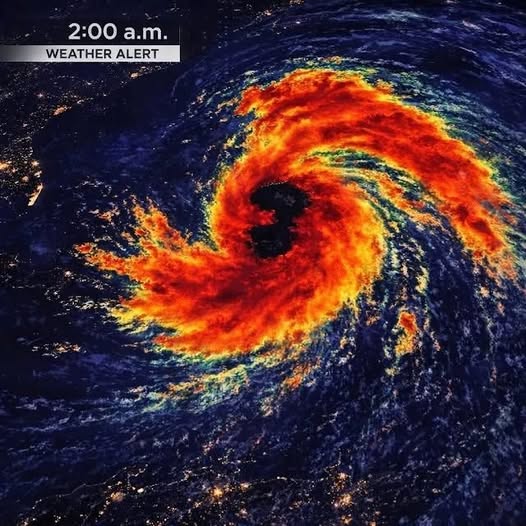
A developing storm system is drawing attention as forecasters monitor its strength and possible path. Here’s what is currently known, what risks storms can bring, and how to stay prepared.
A developing storm system is attracting attention as meteorologists continue to monitor its organization, movement, and potential strength.
Storm systems can change quickly, which is why early forecasts should be treated as evolving rather than as a guaranteed prediction. The exact areas affected often become clearer as the system develops and additional observations become available.
A Storm Is Developing
As of August 12, 2026, Tropical Storm Cristobal has formed in the Atlantic, becoming the third named storm of the 2026 Atlantic hurricane season. It was located well west of the Azores and was moving east at about 25 mph, with maximum sustained winds around 45 mph. Current forecasts indicate that Cristobal is expected to weaken over the open Atlantic rather than pose an immediate threat to the U.S. mainland.
That doesn’t mean every developing weather system is harmless. Forecasters are also monitoring other areas of tropical activity, including a disturbance in the Atlantic that could potentially develop further in the coming days.
Why Storm Forecasts Can Change
When meteorologists first identify a developing system, there can be considerable uncertainty about:
- Where it will travel
- How quickly it will strengthen
- Whether it will weaken
- How much rainfall it could produce
- Whether it will approach land
- How strong the winds may become
Small changes in atmospheric conditions can significantly alter a storm’s eventual path.
That’s why people in potentially affected areas should follow updates from official weather agencies rather than relying on dramatic headlines circulating online.
What Makes a Major Storm Dangerous?
The biggest threats from tropical and severe storms aren’t always the strongest winds.
Depending on the storm, hazards can include:
Heavy Rain
Torrential rainfall can overwhelm drainage systems and produce flash flooding, especially in low-lying areas.
Strong Winds
Powerful winds can damage roofs, trees, vehicles, power lines, and other structures.
Storm Surge
For coastal storms, rising seawater pushed toward shore can become one of the most dangerous hazards.
Flooding
Flooding can occur far from the storm’s center and may continue even after the strongest winds have passed.
Landslides
In mountainous or steep areas, prolonged heavy rainfall can destabilize slopes and increase the risk of landslides.
Don’t Panic — Prepare
A storm headline doesn’t necessarily mean disaster is coming.
The most useful response is preparation.
Make sure you know where your emergency supplies are and keep important items accessible. If severe weather is possible in your area, consider having:
- Drinking water
- Nonperishable food
- Flashlights
- Extra batteries
- A charged phone
- Basic first-aid supplies
- Essential medications
- Important documents stored safely
- Emergency contact information
If authorities issue evacuation instructions, follow them promptly rather than waiting until conditions deteriorate.
Keep Watching Official Updates
Weather forecasts can change several times as meteorologists receive new satellite observations, radar information, aircraft measurements, and computer-model guidance.
Avoid sharing unverified claims such as “the storm is definitely going to hit this city” unless that information comes from a reliable weather authority.
For people in areas potentially affected by tropical weather, official government weather services and emergency-management agencies should be the primary sources for warnings and evacuation information.
The Bottom Line
A developing storm can look frightening on social media, but the headline alone doesn’t tell you how dangerous the system will become.
The current Atlantic situation includes Tropical Storm Cristobal, which formed on August 12 and is presently moving east over the open Atlantic with no coastal watches or warnings in effect according to current reporting.
The safest approach is simple: stay informed, prepare early, and follow official warnings if conditions change.
Weather systems can evolve quickly, so anyone in a potentially affected area should continue checking the latest local forecast rather than relying on an old social-media post.