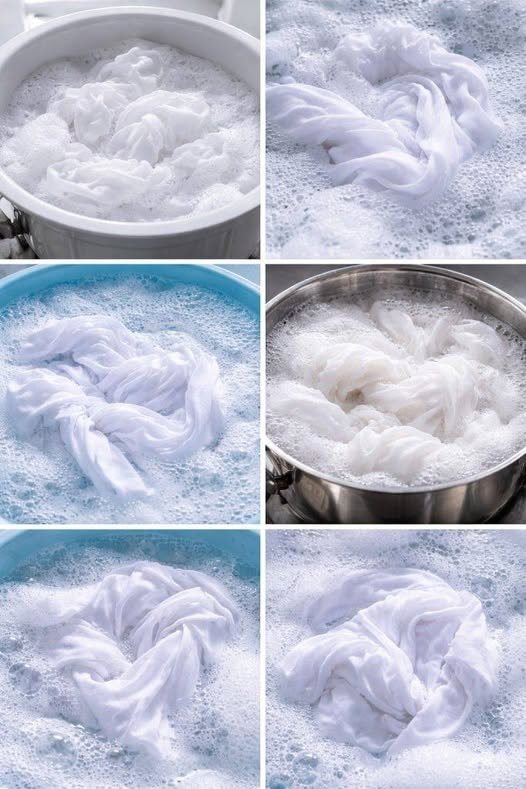
Discover a simple laundry ingredient that can help brighten white clothes, lift everyday stains, and freshen fabrics without relying on harsh cleaning methods.
Laundry as White and Fresh as Milk: You Only Need This Simple Ingredient
Keeping white clothes bright can be surprisingly difficult. Over time, sweat, body oils, detergent residue, and everyday dirt can leave white fabrics looking dull, gray, or yellow.
One inexpensive ingredient often recommended for refreshing washable whites is baking soda. It can help deodorize laundry and support cleaning when used alongside your regular detergent.
However, no household ingredient can guarantee that every stained or yellowed garment will become “white as milk.” Results depend on the fabric, the type of stain, and how long the discoloration has been present.
Why Baking Soda Can Help
Baking soda, also known as sodium bicarbonate, is mildly alkaline. Adding it to a wash can help neutralize odors and improve the cleaning environment for detergent.
It can be particularly useful for laundry that has absorbed sweat or other everyday odors.
How to Use It
For washable white laundry:
- Separate whites from colored clothing.
- Add your normal amount of laundry detergent.
- Add about ½ cup of baking soda to the wash, depending on the load size and washing-machine instructions.
- Choose the appropriate wash cycle for the fabric.
- Dry the clothes according to their care labels.
For delicate or specialty fabrics, check the manufacturer’s instructions before using any additional product.
Baking Soda Isn’t a Bleach Replacement
It’s important to set realistic expectations.
Baking soda can help freshen fabrics and support cleaning, but it doesn’t work like chlorine bleach or a dedicated oxygen-based laundry whitener.
For stubborn stains or severe yellowing, a product specifically formulated for whitening laundry may be more effective.
Don’t Mix Cleaning Chemicals
Never experiment by mixing different laundry chemicals together.
In particular, never mix chlorine bleach with ammonia, acids such as vinegar, or other incompatible cleaning products, because dangerous fumes or chemical reactions can occur.
If you’re using bleach, follow the product label carefully.
Other Habits That Help Keep Whites Bright
The ingredient you use isn’t the only factor that matters.
Wash Whites Separately
Washing white clothes with darker or strongly colored garments can contribute to dullness over time.
Don’t Overload the Washing Machine
Clothes need enough room for water and detergent to circulate. An overloaded machine may not clean fabrics effectively.
Treat Stains Early
Fresh stains are generally easier to remove than stains that have been allowed to set.
Blot or rinse the affected area as appropriate and follow the garment’s care instructions.
Use the Correct Amount of Detergent
More detergent does not necessarily mean cleaner clothes. Excess detergent can leave residue behind, which may contribute to dull-looking fabrics.
Follow the detergent manufacturer’s recommended amount.
What About Yellow Underarm Stains?
Yellowing around the underarms is often related to sweat, body oils, deodorant or antiperspirant residue, and repeated washing.
Baking soda may help with odor and general cleaning, but stubborn discoloration may require a stain treatment designed for the specific fabric.
Always test a treatment on an inconspicuous area if you’re unsure how the fabric will react.
Final Thoughts
If your white laundry looks dull or smells less than fresh, baking soda can be a simple addition to your regular washing routine. It can help neutralize odors and support detergent performance, but it isn’t a miracle whitening treatment.
For the best results, combine proper sorting, appropriate detergent use, early stain treatment, and the correct washing temperature for your fabric.