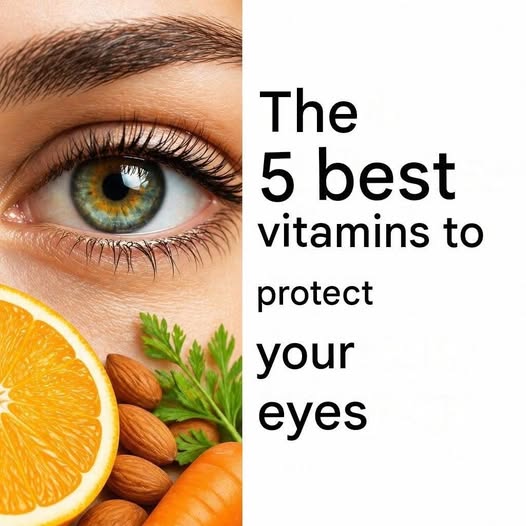
Discover 5 important vitamins and nutrients that support healthy vision, including vitamin A, vitamin C, vitamin E, zinc, and lutein, plus the best foods to get them from.
Your eyes work hard every day, and like the rest of your body, they need a steady supply of essential nutrients to function properly.
While no vitamin can guarantee perfect vision or prevent every eye condition, getting enough key nutrients can support normal eye function and help maintain overall eye health.
Here are five important vitamins and nutrients worth knowing about.
1. Vitamin A
Vitamin A is essential for normal vision, particularly in low-light conditions. It also helps maintain the health of the cornea and other tissues in the eye.
Good food sources include:
- Carrots
- Sweet potatoes
- Pumpkin
- Spinach
- Eggs
- Dairy products
- Liver
A deficiency in vitamin A can cause serious vision problems, although deficiency is uncommon in people who eat a varied diet.
2. Vitamin C
Vitamin C is a powerful antioxidant that helps protect cells from oxidative stress.
The eyes are exposed to environmental stress throughout the day, so antioxidants are an important part of a balanced diet.
You can get vitamin C from:
- Oranges
- Guava
- Kiwi
- Strawberries
- Bell peppers
- Broccoli
- Tomatoes
Fresh fruits and vegetables are generally better sources than relying on supplements.
3. Vitamin E
Vitamin E is another antioxidant that helps protect cells from oxidative damage.
Nuts and seeds are particularly useful sources. Almonds, sunflower seeds, peanuts, and vegetable oils can all contribute vitamin E to your diet.
A small serving of nuts can be an easy addition to breakfast or a snack.
4. Zinc
Zinc plays several important roles in the body, including supporting normal vision and eye function.
Foods containing zinc include:
- Meat
- Seafood
- Eggs
- Dairy products
- Beans
- Chickpeas
- Pumpkin seeds
- Nuts
Zinc also works alongside vitamin A in several processes related to normal vision.
5. Lutein and Zeaxanthin
Lutein and zeaxanthin aren’t vitamins, but they’re important plant pigments found in the eye, particularly in the retina.
They belong to a group of compounds called carotenoids and are found in foods such as:
- Spinach
- Kale
- Broccoli
- Peas
- Corn
- Egg yolks
- Other leafy green vegetables
Including a variety of colorful vegetables in your diet is a simple way to increase your intake of these nutrients.
Should You Take Eye-Vitamin Supplements?
Not necessarily.
If you already eat a varied and balanced diet, you may get many of these nutrients naturally.
High-dose supplements aren’t automatically better and can sometimes cause problems. For example, excessive vitamin A can be harmful, and certain supplements can interact with medications.
Some specialized eye-health supplements may be recommended for people with particular eye conditions, but they should be used according to medical advice.
Other Habits Matter Too
Nutrition is only one part of protecting your vision.
Other helpful habits include:
- Getting regular eye examinations
- Wearing sunglasses that provide appropriate UV protection
- Not smoking
- Managing conditions such as diabetes and high blood pressure
- Taking breaks during prolonged screen use
- Eating plenty of fruits and vegetables
- Getting adequate sleep
If you experience sudden vision loss, new flashes or floaters, severe eye pain, or a sudden change in vision, seek urgent medical attention.
The Bottom Line
There isn’t one magic vitamin that can make your eyesight perfect. Instead, a balanced diet containing vitamin A, vitamin C, vitamin E, zinc, lutein, and zeaxanthin can provide nutrients that support normal eye health.
Think beyond carrots alone—fill your plate with colorful vegetables, fruits, leafy greens, nuts, seeds, eggs, and other nutrient-rich foods.
Your eyes benefit from the same thing your entire body does: a balanced, varied diet and healthy daily habits.