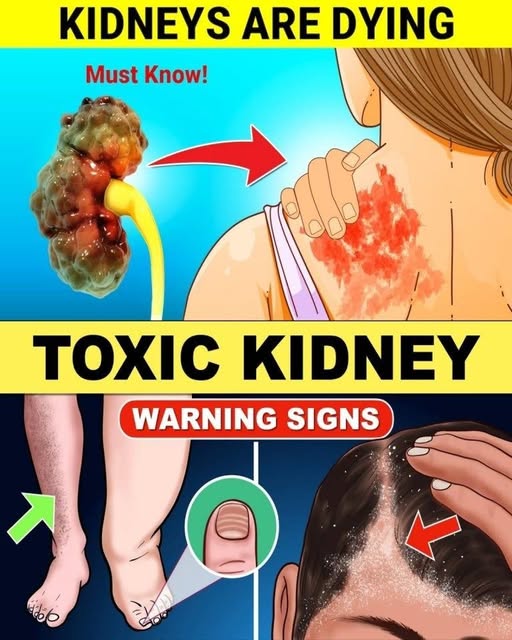
Learn 9 warning signs that may indicate kidney problems, which tests can detect kidney disease early, and how medical treatment can help slow progression and potentially delay kidney failure.
9 Warning Signs Your Kidneys May Be Failing | Tests That Can Help Protect Kidney Function
Your kidneys work around the clock to filter waste from your blood, balance fluids and electrolytes, help control blood pressure, and support red blood cell production.
The problem is that kidney disease can develop quietly. Many people have few or no symptoms until kidney function has already declined significantly.
That makes testing especially important for people at higher risk, including those with diabetes, high blood pressure, cardiovascular disease, or a family history of kidney disease.
And while online posts sometimes promise that certain tests can “avoid dialysis,” there is no single test or treatment that guarantees this. The real goal is to detect kidney disease early and treat its cause to slow or prevent further damage.
1. Swelling in Your Feet, Ankles, or Around Your Eyes
When the kidneys aren’t removing enough excess sodium and fluid, fluid can accumulate in the body.
You may notice swelling in:
- Feet and ankles
- Lower legs
- Hands
- Around the eyes, particularly in the morning
Swelling has many possible causes, including heart, liver, medication, and circulation problems, so it doesn’t automatically mean kidney failure.
2. Changes in Urination
Changes in urination can sometimes signal a kidney or urinary-tract problem.
You might notice:
- Urinating much more or less than usual
- Frequently waking at night to urinate
- Foamy or unusually bubbly urine
- Blood in the urine
- Difficulty urinating
Foamy urine can occur occasionally for harmless reasons, but persistent foaminess can indicate protein in the urine and deserves evaluation.
3. Persistent Fatigue
Healthy kidneys produce erythropoietin, a hormone involved in red blood-cell production.
When kidney function becomes significantly impaired, reduced erythropoietin production can contribute to anemia.
This may cause:
- Fatigue
- Weakness
- Reduced exercise tolerance
- Shortness of breath with activity
- Difficulty concentrating
Fatigue is extremely common and has many causes, so blood testing is necessary to determine whether kidney disease is involved.
4. Nausea or Loss of Appetite
As kidney function becomes severely reduced, waste products can accumulate in the blood.
This can contribute to:
- Nausea
- Vomiting
- Poor appetite
- An unpleasant or metallic taste
- Unintentional weight loss
These symptoms generally aren’t early warning signs. They can occur when kidney disease has become more advanced.
5. Persistent Itching or Dry Skin
Severe chronic kidney disease can cause changes in mineral and bone metabolism and accumulation of certain substances in the body.
Some people develop significant itching.
But itchy skin is much more commonly caused by things such as dry skin, allergies, eczema, medications, or other conditions.
6. Muscle Cramps or Weakness
Kidneys help maintain appropriate levels of electrolytes and minerals.
Advanced kidney disease can disturb this balance, potentially contributing to:
- Muscle cramps
- Weakness
- Restlessness
- Abnormal heart rhythms in severe cases
Don’t assume recurring cramps are caused by kidney disease. Dehydration, medications, exercise, and many other conditions can cause them.
7. Trouble Sleeping
People with chronic kidney disease may experience sleep problems.
Possible contributors include itching, restless legs, muscle discomfort, sleep apnea, frequent nighttime urination, and other effects of chronic illness.
Sleep problems alone are not a reliable sign of kidney failure, but persistent symptoms deserve attention.
8. Difficulty Concentrating or Confusion
Severe kidney dysfunction can cause waste products and metabolic abnormalities to affect the nervous system.
In advanced cases, a person may experience:
- Difficulty concentrating
- Confusion
- Extreme drowsiness
- Changes in mental alertness
Sudden confusion, however, requires urgent medical evaluation because many serious conditions can cause it.
9. Shortness of Breath
Kidney disease can contribute to anemia and fluid accumulation.
In advanced disease, excess fluid can build up in the lungs or elsewhere in the body, potentially causing shortness of breath.
Sudden or severe breathing difficulty is an emergency, regardless of the suspected cause.
The Tests That Actually Check Kidney Function
Symptoms aren’t enough to diagnose kidney disease.
Fortunately, a few relatively simple tests can provide important information.
1. Serum Creatinine and eGFR
A blood test measures creatinine, a waste product produced by normal muscle metabolism.
Your healthcare professional can use your creatinine level along with other information to estimate your glomerular filtration rate (eGFR).
The eGFR provides an estimate of how well your kidneys are filtering blood.
A persistently reduced eGFR can indicate chronic kidney disease.
2. Urine Albumin-to-Creatinine Ratio (uACR)
This urine test checks for albumin, a protein that normally remains in the bloodstream.
When albumin repeatedly appears in the urine, it can be an early sign of kidney damage.
This is particularly important for people with diabetes or high blood pressure.
3. Urinalysis
A routine urine test can detect things such as:
- Blood
- Protein
- Glucose
- Signs of infection
- Other abnormalities
Depending on the findings, your clinician may order additional tests.
4. Blood Pressure Measurement
Blood pressure isn’t technically a kidney-function test, but it’s critically important.
High blood pressure can damage the kidneys, while kidney disease can also contribute to high blood pressure.
Controlling blood pressure is therefore an important part of protecting kidney function.
Can These Tests Help Prevent Dialysis?
They can help with early detection and management, but no test itself prevents dialysis.
Dialysis is generally needed when kidney function has declined severely and the kidneys can no longer adequately perform their essential functions.
The earlier chronic kidney disease is identified, the more opportunity there is to address factors that can accelerate progression.
Depending on the cause and stage of disease, treatment may include:
- Controlling blood pressure
- Managing diabetes
- Treating kidney inflammation or other underlying disease
- Using kidney-protective medications when appropriate
- Managing cholesterol and cardiovascular risk
- Avoiding unnecessary kidney-harming medications
- Maintaining a healthy diet and appropriate fluid intake
- Treating urinary obstruction or infections when present
Some people with chronic kidney disease remain stable for many years, while others progress more quickly.
Don’t Ignore These Risk Factors
You should be especially proactive about kidney testing if you have:
Diabetes: One of the major causes of chronic kidney disease.
High blood pressure: Can damage the small blood vessels inside the kidneys.
Heart disease: Kidney and cardiovascular disease are closely connected.
Family history: Some kidney diseases have genetic components.
Previous acute kidney injury: Certain severe kidney injuries can increase future risk.
Long-term use of certain medications: Some medicines can harm kidney function in susceptible people, particularly when used incorrectly or during dehydration.
Always ask your healthcare professional or pharmacist whether a medication is appropriate for you.
When Should You Seek Urgent Medical Help?
Don’t wait for a routine appointment if you develop:
- Very little or no urine
- Severe shortness of breath
- Chest pain
- Fainting
- Severe confusion
- Persistent vomiting
- Sudden severe swelling
- Blood in the urine accompanied by significant symptoms
These symptoms can have many causes and may require urgent evaluation.
The Most Important Point
Kidney failure usually doesn’t happen overnight.
Chronic kidney disease often develops gradually, and early stages may produce no obvious symptoms.
That’s why waiting for warning signs isn’t the best strategy if you’re at increased risk.
A blood test for creatinine/eGFR and a urine test for albumin (uACR) are among the most important ways to detect kidney disease early.
And if your tests show a problem, don’t panic. An abnormal result doesn’t automatically mean you’re headed for dialysis.
Early diagnosis gives you and your healthcare team the best chance to identify the cause, protect remaining kidney function, and slow progression.