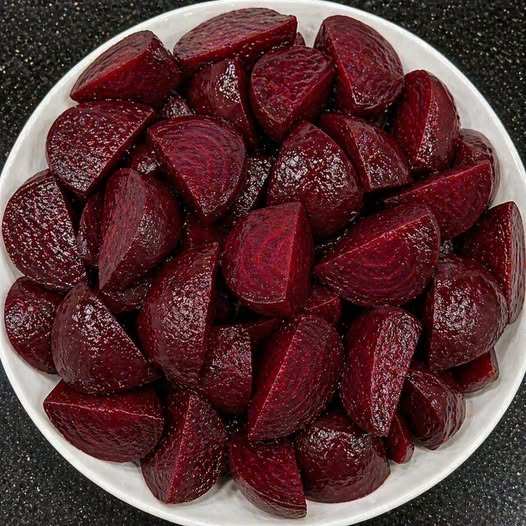
What does eating beets really do to your body? Discover the evidence-based benefits, possible side effects, medication considerations, and who should be cautious with beets.
Doctors Reveal What Eating Beets Can Cause in Your Body
Beets are one of those foods surrounded by both impressive health claims and unnecessary warnings. Their deep red-purple color comes from natural compounds called betalains, while beets also provide folate, fiber, potassium, and naturally occurring nitrates.
So what actually happens when you eat them regularly?
For most people, beets can be a nutritious addition to a balanced diet. But they can also cause a few surprising effects that are easy to mistake for signs of illness.
1. Beets Can Turn Your Urine Pink or Red
One of the most surprising effects is beeturia—red or pink urine after eating beets.
It can look alarming, but in many cases it’s simply pigments from the beets passing through the body.
Not everyone experiences it, and the intensity can vary.
However, don’t automatically assume red urine is from beets. Blood in the urine can also look pink, red, or brown, so unexplained or persistent discoloration should be medically evaluated.
2. Beets Can Make Your Stool Look Red
Beet pigments can also pass through the digestive system and give stool a reddish or dark-purple appearance.
Again, this can be harmless after eating beets.
But if you haven’t eaten beets or another strongly pigmented food and notice blood in your stool, don’t assume it’s food coloring. Seek medical advice.
3. They May Help Support Healthy Blood Pressure
Beets are naturally rich in dietary nitrates.
The body can convert these compounds into nitric oxide, which helps relax blood vessels and can improve blood flow.
Research has found that consuming nitrate-rich beetroot can produce a modest reduction in blood pressure in some people.
That doesn’t mean beet juice replaces blood-pressure medication.
If you have hypertension, continue taking prescribed medication unless your healthcare professional tells you otherwise.
4. Beets May Support Exercise Performance
The nitrates in beetroot have also attracted attention in sports nutrition.
By increasing nitric oxide availability, beetroot may improve exercise efficiency and endurance in some circumstances.
This is one reason beetroot juice has become popular among athletes and people interested in endurance exercise.
The effect isn’t identical for everyone, and eating beets isn’t a substitute for proper training, nutrition, and recovery.
5. They Provide Antioxidant Compounds
Beets contain betalains and other plant compounds with antioxidant and anti-inflammatory properties.
Eating a variety of colorful vegetables is generally a better strategy than relying on one “superfood.”
Think of beets as one useful part of a varied diet, rather than a miracle food.
6. They Can Affect Digestion
Beets contain fiber, which supports normal bowel function.
For people who aren’t accustomed to eating much fiber, suddenly consuming large amounts can cause:
- Gas
- Bloating
- Abdominal discomfort
- Changes in bowel movements
Increasing fiber gradually and drinking adequate fluids can make the transition easier.
7. Beets Contain Oxalates
Beets are relatively high in oxalates, naturally occurring compounds found in many plant foods.
For most people, this isn’t a reason to avoid them.
However, people who have been advised by a healthcare professional to follow a low-oxalate diet—particularly some people with a history of calcium oxalate kidney stones—may need individualized dietary advice.
If you’ve had kidney stones, ask your doctor or dietitian what foods are appropriate for you rather than eliminating foods unnecessarily.
8. Beet Juice Isn’t the Same as Eating Whole Beets
Beet juice can provide concentrated nitrate and other compounds, but juicing removes much of the fiber found in whole beets.
Whole or minimally processed beets can therefore be a more filling option.
Also remember that some commercial beet drinks contain added sugar or other ingredients, so check the label.
Who Should Be Cautious?
Beets are safe for most people when eaten as part of a normal diet.
Extra caution may be appropriate if you:
- Have a history of certain kidney stones
- Have been instructed to restrict potassium
- Have a medical condition requiring a specialized diet
- Take medications that affect blood pressure and are considering concentrated beetroot supplements or large amounts of beet juice
If you’re taking medication for hypertension or another cardiovascular condition, don’t change your medication simply because you start eating beets.
Are Beets a “Detox” Food?
You may see claims that beets “detox the liver” or “clean the kidneys.”
Your body already has organs—including the liver and kidneys—that continuously process and eliminate waste.
Beets can certainly contribute useful nutrients to your diet, but there is no need to think of them as a special detox treatment.
How Much Is Appropriate?
There isn’t a single amount of beets that everyone should eat.
A reasonable approach is to include them as one of several vegetables in a balanced diet.
You can enjoy them:
- Roasted
- Steamed
- Boiled
- Grated into salads
- Blended into smoothies
- Added to soups
If you’re new to beets, start with a modest serving and see how your body responds.
The Bottom Line
Eating beets can cause some surprisingly noticeable effects—especially pink or red urine and reddish stool—but these are often simply the result of beet pigments.
At the same time, beets provide fiber, folate, potassium, and dietary nitrates that may support cardiovascular and exercise health.
They aren’t a miracle cure, and they aren’t dangerous for most people.
Enjoy beets as part of a varied diet, but don’t ignore persistent blood-like changes in urine or stool simply because you’ve eaten beets.