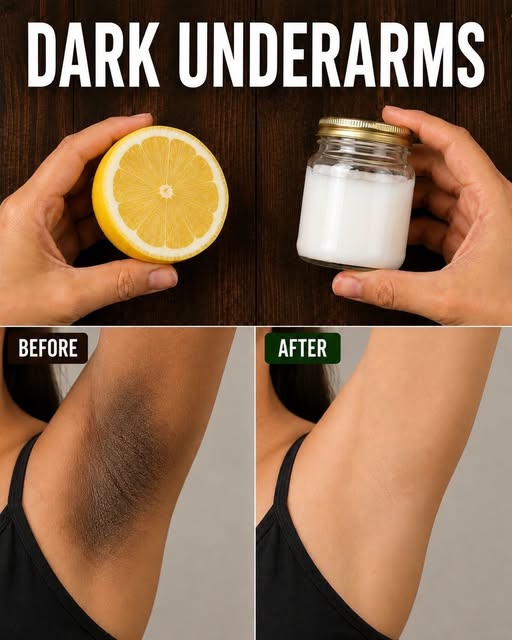
Ready to say goodbye to dark underarms? Learn the common causes of underarm discoloration and safe, gentle ways to improve uneven skin tone without irritating your skin.
Ready to Say Goodbye to Dark Underarms? Here’s What Actually Helps
Dark underarms are incredibly common, and they can happen for many different reasons. Sometimes the skin becomes darker after repeated shaving or irritation. In other cases, deodorants, friction, inflammation, or certain skin conditions may contribute.
The good news is that dark underarms aren’t necessarily permanent. The key is identifying what is causing the discoloration instead of aggressively scrubbing or using harsh DIY remedies.
Why Do Underarms Become Dark?
The skin under your arms is sensitive and exposed to repeated friction, moisture, hair removal, and cosmetic products.
Common causes include:
1. Frequent Shaving
Shaving doesn’t actually make the skin darker by itself, but frequent shaving can cause irritation, tiny injuries, and inflammation. Post-inflammatory hyperpigmentation may then leave the area looking darker.
Using a dull razor or shaving without lubrication can make irritation worse.
2. Friction
Tight clothing can repeatedly rub against the underarm area.
Over time, this irritation may contribute to darker-looking skin.
Choosing breathable clothing and reducing unnecessary friction can help.
3. Deodorants and Fragrances
Some deodorants, antiperspirants, fragrances, or other personal-care products can irritate sensitive skin.
If discoloration began after switching products, consider whether the new product could be contributing to irritation.
4. Dead Skin and Irritation
A buildup of skin cells can make the area appear dull, but scrubbing aggressively isn’t the answer.
Hard scrubbing can damage the skin barrier and actually make pigmentation worse.
5. Hormonal and Metabolic Factors
Sometimes darkening isn’t simply a cosmetic issue.
If the skin is thick, darker, and velvety, particularly around the underarms, neck, or groin, it can be a sign of acanthosis nigricans.
This can be associated with insulin resistance and other metabolic or hormonal conditions.
If the change is new, pronounced, or occurring in several body folds, it’s worth discussing with a healthcare professional.
How to Safely Improve Dark Underarms
🧴 Keep the Area Moisturized
A simple, fragrance-free moisturizer can help maintain the skin barrier and reduce irritation.
Apply it after bathing and whenever the area feels dry.
Healthy skin is generally less vulnerable to irritation.
🪒 Improve Your Shaving Technique
If you shave:
- Use a clean, sharp razor.
- Wet the skin first.
- Use a gentle shaving gel or cream.
- Avoid repeatedly passing the razor over the same area.
- Don’t shave aggressively.
- Moisturize afterward.
If shaving repeatedly causes bumps or irritation, you might consider another hair-removal method.
🌿 Consider Gentle Exfoliation
Certain skincare ingredients can gradually improve uneven pigmentation by encouraging normal skin-cell turnover.
Depending on your skin type, products containing ingredients such as lactic acid, glycolic acid, or niacinamide may be useful.
Start slowly rather than applying strong acids every day.
If burning, significant redness, itching, or peeling develops, stop using the product.
☀️ Don’t Forget Sun Protection
Underarms aren’t usually exposed to much sunlight, but they can be exposed when wearing sleeveless clothing.
If the area will be exposed, sunscreen can help prevent pigmentation from becoming darker.
🚫 Avoid These Popular DIY “Whitening” Tricks
You may see recommendations to apply lemon juice, baking soda, toothpaste, or undiluted vinegar to dark underarms.
These aren’t good choices for sensitive underarm skin.
They can cause irritation or chemical burns, and inflammation can potentially make hyperpigmentation worse instead of better.
Natural doesn’t automatically mean gentle.
How Long Does It Take to Improve?
Don’t expect dramatic results overnight.
If the discoloration is caused by irritation or post-inflammatory pigmentation, improvement can take weeks to months after the underlying trigger is removed.
Consistency matters more than using an extremely strong product.
When Should You See a Doctor?
Consider getting the area examined if:
- The skin suddenly becomes much darker.
- The skin is thick or velvety.
- Similar darkening appears on your neck or groin.
- The area is persistently itchy, painful, scaly, or inflamed.
- There are unusual lumps or changes in the skin.
- Darkening continues despite eliminating irritation.
A healthcare professional can determine whether you’re dealing with simple hyperpigmentation, irritation, a skin condition, or something such as acanthosis nigricans.
A Simple Underarm-Care Routine
Morning:
Wash gently → dry thoroughly → apply a suitable deodorant/antiperspirant → moisturize if needed.
Evening:
Clean gently → apply moisturizer.
A few times per week:
If your skin tolerates it, use a gentle pigmentation/exfoliating product rather than physically scrubbing the area.
The Bottom Line
Getting lighter-looking underarms isn’t about bleaching the skin or scrubbing away pigmentation.
The best approach is to reduce irritation, avoid harsh DIY ingredients, use gentle skincare, and address any underlying cause.
And if your underarms have become noticeably darker and velvety—especially together with similar changes on the neck—don’t simply treat it as a cosmetic problem. It may be worth having the skin evaluated.