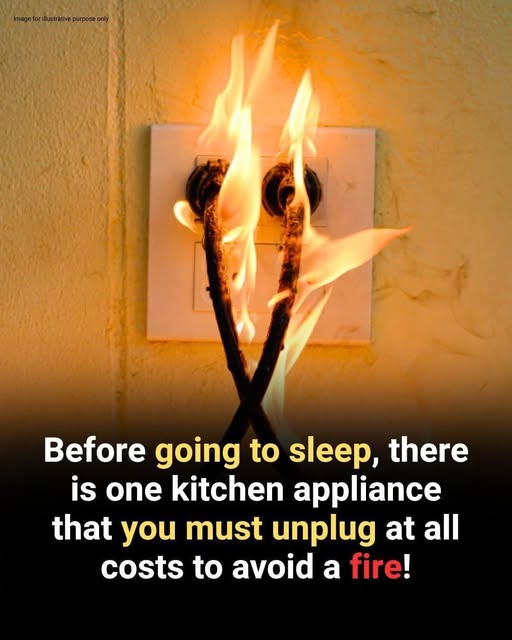
Discover 5 household appliances you may want to unplug when not in use to reduce standby electricity use, protect against electrical risks, and potentially lower your energy bill.
Many appliances continue drawing a small amount of electricity even after you switch them off. This is often called standby power or vampire power. While one appliance may use only a small amount, dozens of devices operating this way can add up over time.
Unplugging certain appliances when you’re finished using them can also reduce unnecessary electrical risks—especially when you’re leaving home for an extended period.
Here are 5 appliances worth considering unplugging:
1. Coffee Makers


A coffee maker doesn’t necessarily need to remain connected once you’ve finished making coffee.
Some models have digital clocks, displays, timers, or other electronic components that continue consuming a small amount of electricity while plugged in.
Simple habit: After the coffee is made and the appliance has cooled, switch it off and unplug it if you won’t be using it again soon.
2. Toasters and Toaster Ovens


A basic toaster generally doesn’t consume much electricity when it’s not actively heating. However, keeping electrical appliances unnecessarily plugged in can create an avoidable risk, particularly if cords, plugs, or outlets are damaged.
Toasters should also be kept away from water and cleaned regularly to prevent crumbs from accumulating.
Simple habit: Unplug the toaster after use, particularly if your kitchen outlet is easily accessible.
3. Electric Kettles


An electric kettle uses significant electricity while heating water, but most modern kettles automatically stop heating when the water reaches the desired temperature.
If your kettle has electronic controls, a display, or a keep-warm function, it may continue using electricity while connected.
Simple habit: Once you’ve finished using it, switch it off and unplug it if you don’t need the keep-warm feature.
4. Microwaves


Microwaves often remain plugged in continuously so their clocks, displays, timers, and control panels stay active.
The amount of standby electricity varies considerably by model, so unplugging a microwave won’t necessarily produce a dramatic reduction in your bill.
Still, if you’re going away for several days, disconnecting appliances that don’t need to remain powered can be a sensible precaution.
Tip: If your microwave shares an outlet with another appliance, don’t unplug or switch off anything you need to keep running.
5. Chargers and Power Adapters


Phone, tablet, laptop, and other chargers can consume a small amount of electricity when connected to the outlet without actively charging a device.
The amount is usually tiny with modern, efficient chargers, but leaving multiple adapters connected unnecessarily isn’t beneficial.
Simple habit: Once your device is charged, disconnect the charger from the outlet or use a switched power strip.
What About TVs and Other Electronics?
Televisions, game consoles, computers, speakers, printers, streaming devices, and smart-home equipment may also use standby power.
You don’t necessarily need to unplug everything every night. Instead, focus on devices that:
- You rarely use
- Have standby displays or lights
- Remain powered for convenience
- Don’t need to stay connected
- Are plugged into questionable or overloaded outlets
A switched power strip can make this easier. You can turn off several compatible devices at once instead of repeatedly reaching behind furniture.
Unplugging Isn’t Always the Best Choice
Some appliances are designed to remain connected to electricity.
Don’t routinely unplug equipment that needs continuous power, such as refrigerators, freezers, medical equipment, security systems, internet equipment, or devices that must maintain settings or perform scheduled functions.
Also, never pull a plug out by yanking the cord. Grip the plug itself, and replace damaged cords, plugs, or outlets.
The Bottom Line
Unplugging five appliances isn’t going to magically eliminate a large electricity bill. Standby consumption is usually relatively small for individual modern appliances. But eliminating unnecessary standby use across many devices can contribute to energy savings over time.
The bigger benefit is developing a simple habit: if an appliance doesn’t need to stay powered, switch it off safely—and unplug it when appropriate.