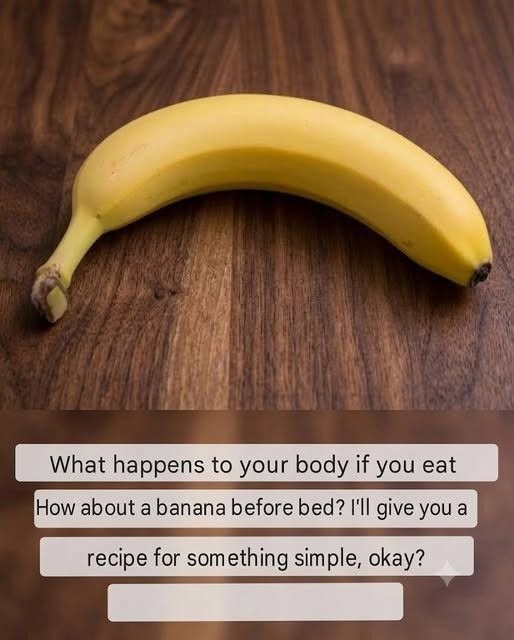
Discover what happens when you eat bananas at night, including their potential effects on sleep, digestion, muscle function, and blood sugar. Learn the benefits, precautions, and best ways to enjoy bananas before bedtime.
What Happens If You Eat Bananas at Night?
Bananas are among the most popular fruits worldwide. They are affordable, convenient, naturally sweet, and packed with essential nutrients. But what happens if you eat a banana at night? Can it improve your sleep, increase your energy, or help your body recover while you rest?
The answer depends on your overall diet, health, and portion size. Eating a banana in the evening can be a healthy choice for many people, but claims that it dramatically increases a particular hormone, cures insomnia, or burns fat overnight are not supported by strong scientific evidence.
Let’s explore what bananas can actually do for your body when you eat them before bed.
1. You May Increase Your Potassium Intake
One of the best-known nutritional benefits of bananas is their potassium content. A medium banana provides approximately 422 milligrams of potassium, along with carbohydrates, vitamin B6, and fiber.
Potassium helps your body maintain normal fluid balance, supports nerve signaling, and enables muscles to contract properly.
Eating a banana at night contributes to your daily potassium intake, just as eating one in the morning does. However, it does not instantly increase muscle strength or prevent every nighttime muscle cramp.
People with kidney disease or those taking certain medications that affect potassium levels may need individualized dietary advice.
2. Bananas May Support Healthy Sleep Habits
Bananas contain vitamin B6, which helps the body produce neurotransmitters involved in normal nervous system function. They also contain small amounts of tryptophan, an amino acid used in the production of serotonin and melatonin-related pathways.
Melatonin is a hormone involved in regulating the sleep-wake cycle.
Because bananas contain these nutrients, some people believe that eating one before bed will make them fall asleep immediately. However, there is not enough strong clinical evidence to conclude that eating a banana directly improves sleep quality or treats insomnia.
If you feel hungry before bedtime, a banana can be a convenient snack that fits into a balanced diet. Maintaining a regular sleep schedule, limiting caffeine late in the day, and creating a comfortable sleeping environment are more established ways to support good sleep.
3. Bananas Can Help Support Digestion
Bananas contain dietary fiber, including pectin, which contributes to normal digestive function.
Getting enough fiber can help support regular bowel movements and overall gut health. Bananas may be particularly useful as part of a diet that includes vegetables, whole grains, legumes, and other fiber-rich foods.
However, the effect can vary from person to person. A banana is not a guaranteed remedy for constipation, bloating, or indigestion.
Some people with sensitive digestive systems may experience bloating after eating bananas. If you notice discomfort, try a smaller portion or eat the fruit earlier in the day.
4. They Provide Energy Without Added Sugar
A medium banana contains approximately 105 calories and 27 grams of carbohydrates, including naturally occurring sugars and fiber.
These carbohydrates provide energy that your body can use for everyday activities and normal metabolic functions.
Eating a banana at night does not automatically cause weight gain. Weight changes depend primarily on your overall energy intake, energy expenditure, and other individual factors over time.
If you are hungry in the evening, a banana may be a more nutritious choice than sweets or highly processed snacks.
For a more filling snack, you could pair a small banana with a modest serving of unsweetened yogurt, provided dairy agrees with you.
5. Bananas Support Normal Muscle Function
Potassium and magnesium are important minerals involved in normal muscle and nerve function. Bananas supply both, although their magnesium content is relatively modest.
Eating bananas regularly can contribute to your overall mineral intake. However, a banana before bed has not been proven to prevent all muscle cramps or eliminate muscle pain.
Nighttime cramps can have several causes, and persistent or severe symptoms may require medical assessment.
A balanced diet, adequate fluid intake, and appropriate physical activity are sensible parts of general muscle health.
6. What About Blood Sugar at Night?
Bananas contain carbohydrates that can raise blood glucose levels. The effect depends on the banana’s ripeness, the amount eaten, and your individual response.
For many healthy adults, a medium banana can fit comfortably into a balanced diet. However, people with diabetes or gestational diabetes may need to consider portion sizes and how the fruit fits into their prescribed meal plan.
Pairing a banana with protein or healthy fats may slow digestion and influence the blood glucose response, although individual results vary.
If you monitor your blood glucose, follow your healthcare professional’s advice rather than assuming that bananas are always beneficial or harmful at night.
7. Is Eating Bananas Before Bed Safe for Everyone?
Most people can enjoy bananas at night without any problems. However, a few considerations are worth remembering:
- Acid reflux: If eating close to bedtime worsens your symptoms, try having your snack earlier and avoid lying down immediately afterward.
- Diabetes: Consider carbohydrate portions and your individual blood glucose response.
- Kidney disease: Ask your healthcare professional whether you need to limit potassium-rich foods.
- Digestive sensitivity: Reduce the portion if bananas cause bloating or discomfort.
- Weight management: Include the banana in your overall daily food intake rather than treating it as a special weight-loss food.
There is no universal rule that everyone must eat bananas at night or avoid them completely.
8. What Is the Best Time to Eat a Banana?
There is no single best time to eat a banana. You can enjoy one in the morning, between meals, after exercise, or in the evening.
If you prefer eating one before bed, choose a portion that satisfies your hunger without making you feel overly full. If nighttime reflux is a problem, eating earlier may be more comfortable.
The most important factor is not the clock but your overall dietary pattern and how your body responds.
Frequently Asked Questions
Does eating a banana at night increase melatonin?
Bananas contain nutrients involved in normal biological processes, but there is insufficient evidence that eating a banana at night meaningfully increases melatonin levels or treats sleep problems.
Do bananas increase weight if eaten at night?
Not automatically. Weight gain depends on overall energy balance over time, not simply on eating a particular fruit after sunset.
Can bananas help with nighttime leg cramps?
Bananas provide potassium, which is important for muscle function. However, evidence does not establish that eating bananas reliably prevents nighttime leg cramps.
Can I eat a banana every night?
Most healthy adults can include a banana in their regular diet. People who need to restrict potassium or manage blood glucose should seek individualized advice.
Final Thoughts
If you eat bananas at night, you increase your intake of potassium, fiber, vitamin B6, and other useful nutrients. A banana can also provide a convenient snack when you feel hungry before bed.
However, it is important to separate nutritional facts from exaggerated health claims. Bananas are not a guaranteed sleep remedy, a treatment for muscle cramps, or a special food that causes weight loss overnight.
Enjoy them as part of a varied, balanced diet, and choose the timing and portion that work best for your body.