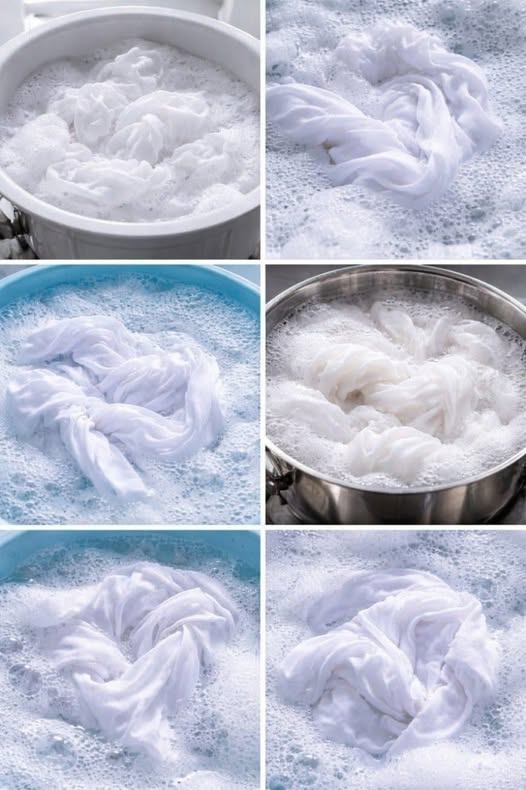
Want brighter, fresher-looking white laundry? Discover a simple household ingredient that can help remove odors and freshen white clothes when used correctly.
Milky White Laundry: All You Need Is This Simple Ingredient
White clothes can lose their bright appearance surprisingly quickly. Sweat, body oils, food stains, detergent buildup, and repeated washing can leave fabrics looking dull, gray, or yellowish.
Fortunately, you don’t always need an expensive specialty product to freshen your laundry. One simple household ingredient that many people already have at home is baking soda.
Used properly, baking soda can help neutralize odors and support the cleaning process. However, it is important to understand what it can—and cannot—do.
Why Do White Clothes Become Dull?
Even after washing, tiny amounts of oils, dirt, detergent residue, and minerals from water can remain trapped in fabric fibers.
Over time, this buildup can make white laundry look less bright.
Other common causes include:
- Washing whites with dark or strongly colored clothing
- Using too much detergent
- Hard water
- Body oils and sweat
- Stains that weren’t treated before washing
- Overloading the washing machine
- Not using the appropriate wash temperature for the fabric
That’s why simply adding more detergent isn’t always the answer.
The Simple Ingredient: Baking Soda
Baking soda (sodium bicarbonate) is commonly used around the home as a deodorizer and cleaning aid.
For laundry, it can help neutralize unpleasant odors and may improve the effectiveness of detergent in some washing situations.
It isn’t a magical bleach, however. If a white garment has deep dye transfer, severe yellowing, or a set-in stain, baking soda alone may not restore it to its original color.
How to Use Baking Soda in the Washing Machine
For a normal load of white laundry, you can add a modest amount of baking soda along with your regular detergent.
A practical approach is:
- Separate white laundry from dark and strongly colored clothing.
- Check the care labels on the garments.
- Add your normal amount of laundry detergent.
- Add about ½ cup (120 ml) of baking soda to the wash.
- Choose a suitable wash cycle and temperature for the fabrics.
- Allow the clothes to dry according to their care instructions.
Avoid assuming that hotter water is always better. Some fabrics can shrink, weaken, or become damaged at high temperatures.
For Particularly Smelly Laundry
Baking soda can be especially useful when the main problem is odor rather than staining.
For example, towels, sports clothing, socks, and other washable items can sometimes hold onto unpleasant smells.
However, persistent odor may indicate that the washing machine itself needs cleaning. A dirty washer can transfer unpleasant smells back onto freshly washed clothes.
What About Yellow Stains?
Yellowing on white clothing can have different causes, including sweat, body oils, age, product buildup, and chemical reactions.
Baking soda may help with general cleaning and odors, but it is not a guaranteed treatment for every yellow stain.
For stubborn discoloration, a laundry product specifically designed for whites or oxygen-based stain removal may be more appropriate, provided it is compatible with the fabric.
Don’t Mix Cleaning Products Randomly
One important laundry rule is to avoid mixing household chemicals simply because a social-media cleaning trick claims the combination is more powerful.
In particular, never mix chlorine bleach with ammonia or acidic cleaning products, as dangerous gases can be produced.
Always follow the product label and the garment’s care instructions.
Can Baking Soda Damage Clothes?
Baking soda is generally considered a mild household cleaning ingredient, but that doesn’t mean every fabric should be treated identically.
Delicate materials, specialty fabrics, dyed clothing, and garments with specific washing instructions should be handled according to their care labels.
If you’re unsure, test a small inconspicuous area or use a laundry product specifically formulated for that material.
A Few Habits That Keep Whites Brighter
The best way to maintain bright laundry is prevention.
Wash whites separately
Keeping white garments away from dark and heavily dyed fabrics reduces the chance of color transfer.
Don’t overload the machine
Clothes need enough space for water and detergent to circulate properly.
Use the correct amount of detergent
More detergent doesn’t necessarily mean cleaner clothes. Excess detergent can leave residue behind.
Treat stains early
Fresh stains are generally easier to remove than stains that have been allowed to sit and become embedded in the fibers.
Clean your washing machine
Regularly cleaning the washer can help prevent detergent residue, mildew, and unpleasant odors from affecting your laundry.
The Bottom Line
If your white laundry looks dull or smells less than fresh, baking soda can be a useful and inexpensive addition to your normal washing routine.
But don’t expect one ingredient to transform every gray or yellow garment instantly. The condition of the fabric, type of stain, water quality, washing method, and age of the garment all make a difference.
For the best results, combine sensible washing habits with the right detergent and appropriate stain treatment.
Sometimes, getting fresher-looking whites isn’t about using more products—it’s about using the right method consistently.
Tip: Always check the garment’s care label before trying a new laundry treatment, especially with delicate or specialty fabrics.