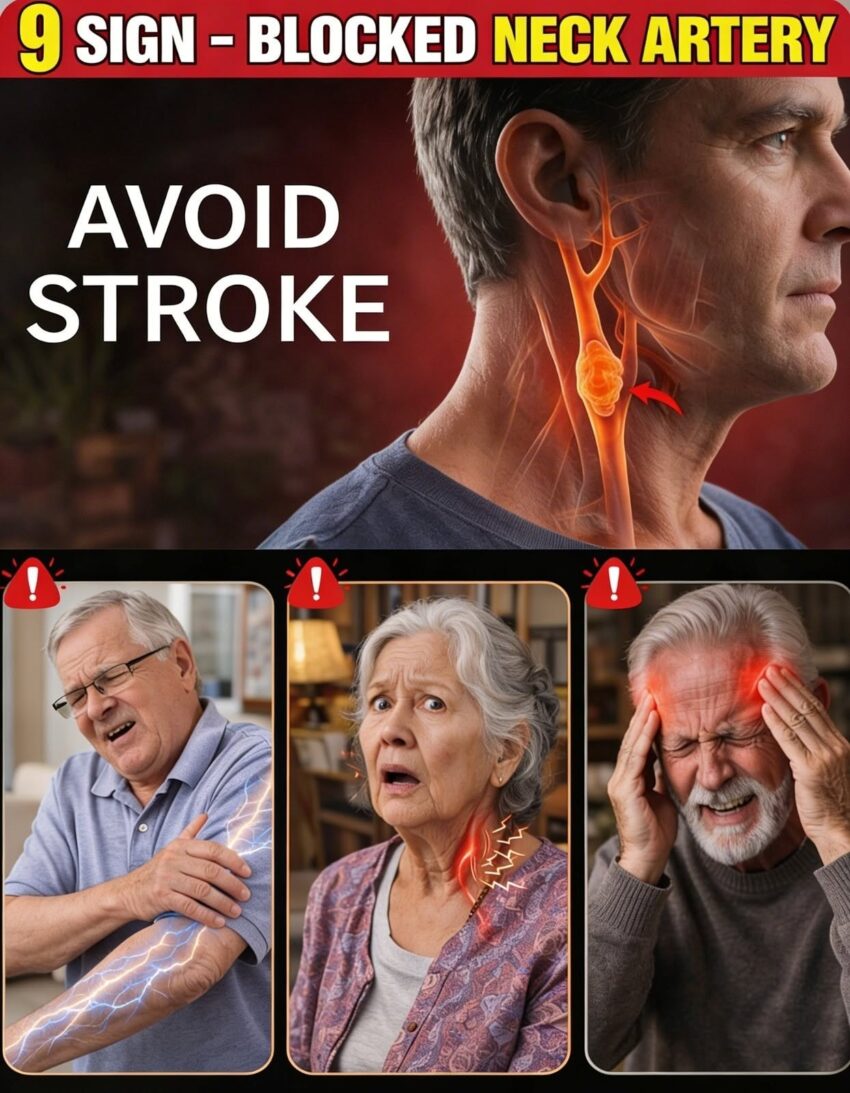
Learn 9 potential warning signs of carotid artery disease, why brief stroke-like symptoms can be an emergency, and what you should do if they occur.
9 Warning Signs of Blocked Carotid Arteries You Should Never Ignore
The carotid arteries are major blood vessels on either side of your neck that carry oxygen-rich blood to your brain. When plaque builds up inside these arteries, the condition is known as carotid artery disease.
One reason carotid artery disease can be dangerous is that it may cause few or no noticeable symptoms until a transient ischemic attack (TIA) or stroke occurs. Recognizing sudden neurological symptoms and seeking immediate medical attention can be critical.
Below are nine warning signs worth knowing. Especially #5: sudden symptoms affecting speech, vision, strength, or coordination should never be ignored.
1. Sudden Weakness or Numbness
Sudden weakness or numbness, particularly on one side of the body, can be a warning sign of a TIA or stroke.
It may affect the face, arm, or leg. Even if the sensation disappears after a few minutes, it still requires urgent medical evaluation.
2. Sudden Difficulty Speaking
A person may suddenly have trouble speaking, finding words, or understanding what someone is saying.
Speech problems that appear suddenly can be a sign of reduced blood flow to the brain and should be treated as a medical emergency.
3. Sudden Vision Changes
Sudden loss or blurring of vision in one eye or both eyes can occur during a TIA or stroke.
A temporary episode of vision loss should not be dismissed simply because vision returns to normal.
4. Sudden Dizziness or Loss of Balance
Unexpected dizziness, difficulty walking, loss of coordination, or problems maintaining balance can occur with some strokes.
These symptoms can have many other causes, but when they appear suddenly—especially alongside weakness, speech difficulty, or vision changes—they require immediate attention.
5. A Sudden, Severe Problem With Speech, Movement, or Vision
This is the warning sign you should never wait and watch.
If someone suddenly develops difficulty speaking, facial drooping, weakness or numbness, vision problems, severe confusion, or trouble walking, it could indicate a stroke.
Remember the FAST warning signs:
- F — Face: Is one side of the face drooping?
- A — Arms: Is one arm weak or numb?
- S — Speech: Is speech slurred or difficult to understand?
- T — Time: Call emergency medical services immediately.
Do not wait for symptoms to disappear. A TIA can produce stroke-like symptoms that resolve, but it can still signal a serious risk of a future stroke.
6. Sudden Confusion
Sudden confusion or difficulty understanding what is happening can be associated with a stroke or TIA.
Confusion that develops abruptly is particularly concerning when it occurs together with speech, vision, movement, or balance problems.
7. Trouble Walking
Sudden difficulty walking, unsteadiness, or loss of coordination can be a neurological warning sign.
If this happens unexpectedly, particularly with other stroke symptoms, seek emergency medical help immediately.
8. A Sudden, Unexplained Severe Headache
A sudden, severe headache—especially one that is unusual for the person and occurs with neurological symptoms—can be a sign of a serious medical emergency.
Not every severe headache is related to carotid artery disease, but a sudden neurological change should never be ignored.
9. Symptoms That Disappear After a Few Minutes
One of the most dangerous misconceptions is that symptoms are harmless if they go away.
A TIA can cause temporary stroke-like symptoms that resolve. However, it can serve as an important warning that a stroke may occur in the future.
If you experience sudden weakness, numbness, speech difficulty, vision loss, dizziness, or another possible stroke symptom—even if it disappears—seek urgent medical evaluation.
Why Carotid Artery Disease Can Be Difficult to Detect
Carotid artery narrowing may develop gradually without obvious symptoms.
Healthcare professionals may identify carotid artery disease by examining risk factors and, when appropriate, using tests such as carotid ultrasound or other imaging studies.
Risk factors can include high blood pressure, high cholesterol, diabetes, smoking, obesity, physical inactivity, and increasing age.
How Can You Reduce Your Risk?
You cannot control every risk factor, but several lifestyle choices can support cardiovascular and vascular health.
Eat a Heart-Healthy Diet
Emphasize vegetables, fruits, whole grains, legumes, nuts, and other minimally processed foods. Limit excessive saturated fat, added sugars, and sodium according to your individual health needs.
Stay Physically Active
Regular physical activity can help support healthy blood pressure, cholesterol levels, blood sugar, and body weight.
Don’t Smoke
Smoking damages blood vessels and increases cardiovascular risk. If you smoke, talk with a healthcare professional about evidence-based ways to quit.
Monitor Blood Pressure and Cholesterol
High blood pressure and high cholesterol may not cause noticeable symptoms. Regular health checks can help identify these risk factors before they contribute to complications.
Manage Diabetes
If you have diabetes, following your treatment plan and maintaining healthy blood glucose levels can help reduce cardiovascular complications.
When Should You Seek Emergency Help?
Call your local emergency medical service immediately if you or someone around you suddenly develops:
- Facial drooping
- Weakness or numbness, especially on one side
- Difficulty speaking or understanding speech
- Sudden vision loss or major vision changes
- Sudden difficulty walking or severe loss of coordination
- Sudden confusion
- A sudden, severe headache with neurological symptoms
Do not drive yourself to the hospital if emergency medical services are available. Rapid assessment and treatment can make a major difference in stroke outcomes.
Final Thoughts
Carotid artery disease may remain silent, which makes recognizing possible stroke and TIA symptoms especially important.
The most important takeaway is simple: sudden neurological symptoms are an emergency, even if they disappear.
Knowing the warning signs, managing cardiovascular risk factors, avoiding tobacco, staying active, and maintaining regular medical checkups can all contribute to better vascular health.
Medical disclaimer: This article is for educational purposes only and does not diagnose or treat carotid artery disease. If you are experiencing sudden stroke-like symptoms, seek emergency medical care immediately.