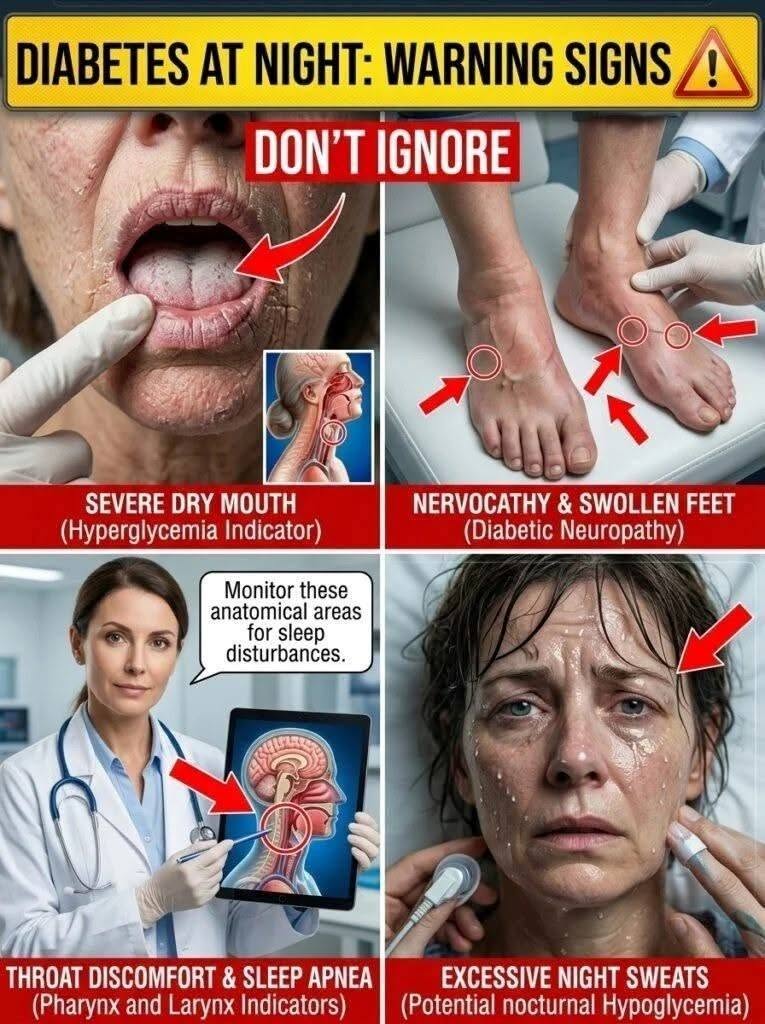
Discover nighttime symptoms that may be associated with diabetes, including frequent urination, excessive thirst, sweating, and sleep problems—and learn when to get checked.
Introduction
Your body can sometimes give you clues that your blood sugar isn’t being properly regulated. Some of these symptoms may become particularly noticeable at night, when you’re trying to sleep.
Waking up repeatedly to use the bathroom, feeling unusually thirsty, experiencing unexplained sweating, or struggling with persistent fatigue can have many causes. But in some people, these symptoms may be associated with diabetes or elevated blood glucose.
The important point is this: nighttime symptoms alone cannot diagnose diabetes. Recognizing a pattern and getting appropriate medical testing is far more reliable than trying to diagnose yourself from symptoms.
1. You Wake Up Frequently to Urinate
One of the symptoms commonly associated with diabetes is frequent urination, also known as polyuria.
When blood glucose becomes too high, the kidneys may work to remove excess glucose through urine. This can increase urine production and may cause more frequent trips to the bathroom.
If you’re regularly waking several times every night to urinate, don’t automatically assume it’s simply part of getting older. Other causes—including certain medications, urinary problems, sleep disorders, and drinking large amounts of fluid before bed—are also possible.
2. You Feel Extremely Thirsty at Night
Frequent urination can contribute to fluid loss, which may leave someone feeling unusually thirsty.
Persistent excessive thirst, particularly when combined with frequent urination, can be a reason to discuss blood glucose testing with a healthcare professional.
3. You Wake Up With a Dry Mouth
A dry mouth can have many causes, including dehydration, medications, mouth breathing, and certain sleep-related conditions.
However, persistent thirst and dry mouth occurring alongside frequent urination may warrant an evaluation for blood sugar problems.
4. Your Sleep Is Frequently Interrupted
Diabetes itself isn’t the only reason someone may sleep poorly.
Nighttime urination, thirst, discomfort, restless legs, sleep apnea, and fluctuations in blood glucose can all contribute to disrupted sleep.
If you’re consistently waking throughout the night, identifying the underlying cause is more useful than assuming diabetes is responsible.
5. You Experience Unexplained Night Sweats
Night sweats aren’t a specific sign of diabetes.
However, people who take insulin or certain diabetes medications can experience low blood sugar (hypoglycemia), which may cause sweating, shaking, hunger, rapid heartbeat, confusion, or other symptoms.
If you have diabetes and repeatedly wake up sweating or feeling shaky, discuss these episodes with your healthcare professional. Medication or meal adjustments may be necessary.
6. You Feel Extremely Tired the Next Morning
Persistent fatigue can occur for many reasons.
High blood glucose can contribute to fatigue in some people, while frequent nighttime urination and disrupted sleep can make daytime tiredness even worse.
If exhaustion continues despite adequate sleep, consider discussing it with a healthcare professional.
7. You Notice Increased Hunger
Some people with diabetes experience increased hunger, known as polyphagia.
When glucose cannot be effectively used by the body’s cells, the body may respond as though it needs more energy.
Increased hunger combined with thirst, frequent urination, unexplained weight changes, or fatigue is more concerning than hunger alone.
8. You Notice Unexplained Weight Loss
Unexpected weight loss can occur with untreated diabetes, particularly when blood glucose is significantly elevated.
If you are losing weight without intentionally changing your diet or exercise habits, don’t simply assume it’s a positive development.
Unexplained weight loss deserves medical evaluation because it can have numerous causes.
9. You Wake Up With Blurry Vision
High blood glucose can temporarily affect the shape of the lens in the eye, potentially causing changes in vision.
Sudden or persistent vision changes should not automatically be blamed on diabetes, however. Eye conditions and other medical problems can also affect vision.
10. Your Body Seems to Be Sending Several Signals at Once
One isolated symptom rarely tells the whole story.
A pattern involving frequent urination, excessive thirst, unexplained weight loss, fatigue, and blurred vision is more reason to speak with a healthcare professional and ask whether blood glucose testing is appropriate.
Diabetes can develop gradually, and some people have few noticeable symptoms.
How Is Diabetes Diagnosed?
Symptoms can provide clues, but diabetes is diagnosed using blood tests rather than symptoms alone.
Healthcare professionals may use tests such as:
- A1C test: Estimates average blood glucose levels over approximately the previous 2–3 months.
- Fasting blood glucose: Measures blood glucose after fasting.
- Oral glucose tolerance test: Measures how the body responds to a glucose-containing drink.
Your healthcare professional can determine which test is appropriate based on your situation.
What Can You Do to Protect Your Health?
If you’re concerned about diabetes, focus on habits that support overall metabolic health.
Stay Physically Active
Regular physical activity can improve insulin sensitivity and help with blood glucose management.
Choose a Balanced Diet
Emphasize vegetables, fruits, whole grains, legumes, lean proteins, and other nutrient-rich foods while limiting excessive added sugars and highly processed foods.
Maintain a Healthy Weight
If you are overweight, even modest weight loss may improve metabolic health and reduce the risk of developing type 2 diabetes.
Don’t Smoke
Smoking increases the risk of cardiovascular disease and other complications associated with diabetes.
Get Regular Health Checks
Blood glucose can become elevated before obvious symptoms appear. If you have risk factors for diabetes, ask your healthcare professional about appropriate screening.
What you can do
- Drink water regularly and avoid excessive sugary drinks, especially before bedtime.
- Limit large meals and added sugars at night.
- Choose balanced meals with vegetables, protein, fiber-rich carbohydrates, and healthy fats.
- Stay physically active during the day, if you’re able to exercise safely.
- Maintain a healthy weight if recommended by your healthcare professional.
- Check your blood glucose if you have diabetes or have been advised to monitor it.
- Don’t start diabetes medication or supplements on your own.
When Is It an Emergency?
Very high blood glucose can sometimes lead to serious complications.
Seek emergency medical care if someone with suspected or known diabetes develops severe weakness, vomiting, abdominal pain, rapid or deep breathing, confusion, unusual drowsiness, or loss of consciousness.
These symptoms can indicate a serious metabolic emergency.
Final Thoughts
Your nighttime symptoms may be trying to tell you something—but they don’t automatically mean you have diabetes.
Frequent urination, excessive thirst, unexplained weight loss, fatigue, and vision changes are worth paying attention to, particularly when several occur together.
Instead of ignoring persistent symptoms or relying on internet symptom lists, talk with a healthcare professional and consider appropriate blood glucose testing.
The earlier diabetes or prediabetes is identified, the sooner you can take steps to manage your health.
Medical disclaimer: This article is for general educational purposes and is not a substitute for professional medical advice, diagnosis, or treatment. If you experience severe symptoms or a medical emergency, seek immediate medical care.