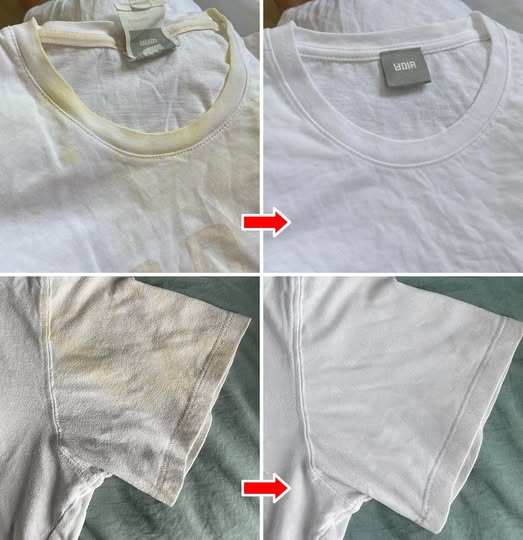
Want brighter white laundry without chlorine bleach? Try these three simple methods using common household ingredients to freshen fabrics, reduce dullness, and remove everyday stains.
White clothes can gradually lose their brightness. Body oils, sweat, detergent residue, hard-water minerals, and repeated washing can leave fabrics looking gray or yellow.
Fortunately, you don’t always need chlorine bleach to freshen up your whites. Here are three simple laundry tricks worth trying.
1. Baking Soda for Freshness and Odor
Baking soda can help freshen laundry and improve the effectiveness of your regular detergent.
How to use it
Add about ½ cup of baking soda directly to the washing machine drum along with your normal detergent. Wash the clothes using the warmest temperature that’s safe according to the care label.
Baking soda can help neutralize odors and loosen some everyday grime.
For heavily stained clothing, pretreat the stain first rather than relying on baking soda alone.
2. White Vinegar for Detergent Residue
White distilled vinegar is another popular laundry aid. It can help reduce detergent and mineral residue that may make fabrics feel stiff or look dull.
How to use it
Add approximately ½ cup of distilled white vinegar to the washing machine’s fabric-softener compartment during the rinse cycle.
The vinegar becomes diluted during washing and rinsing.
Important: Never mix vinegar directly with chlorine bleach. Combining them can produce dangerous chlorine gas.
Vinegar can also damage certain materials with repeated use, so check your garment and washing-machine manufacturer’s recommendations.
3. Soak Whites in Oxygen Bleach
If you want a stronger bleach-free alternative to chlorine bleach, consider a color-safe oxygen bleach product based on sodium percarbonate.
Unlike chlorine bleach, oxygen bleach is generally marketed as a gentler option for many washable fabrics.
How to use it
- Fill a basin with warm water, following the garment-care label.
- Add the oxygen-bleach product according to its package instructions.
- Soak the white laundry for the recommended amount of time.
- Wash normally afterward.
Always read the product label and check whether it is suitable for your specific fabric.
A Few Extra Tips for Whiter Laundry
Even the best laundry trick won’t work as well if clothes continue accumulating residue.
Don’t Overload the Washing Machine
Clothes need enough space for water and detergent to circulate properly. An overloaded machine can leave dirt and detergent behind.
Use the Correct Amount of Detergent
More detergent isn’t necessarily better. Excess detergent can leave residue that makes fabrics appear dull.
Follow the detergent manufacturer’s recommended dosage.
Treat Stains Quickly
Fresh stains are generally easier to remove than old, set-in stains. Blot or rinse the affected area as soon as practical and use a stain remover appropriate for the fabric.
Check the Care Label
Not every white garment should be washed in hot water. Some fabrics can shrink, weaken, or become damaged by high temperatures.
Always follow the manufacturer’s care instructions.
Which Method Should You Try First?
For everyday freshness, baking soda is a simple option.
If your clothes seem dull because of residue, white vinegar in the rinse cycle may help.
For more stubborn yellowing or dinginess, a properly used oxygen-bleach soak can be a stronger choice.
And remember: “without bleach” doesn’t mean every homemade mixture is automatically safe. Never mix different cleaning chemicals unless the product instructions specifically say they can be combined.
Final Takeaway
Keeping white laundry bright is less about one magical ingredient and more about good washing habits.
Use the right amount of detergent, avoid overloading the machine, treat stains promptly, and choose a whitening method appropriate for the fabric.
With a little care, your favorite white clothes can stay fresh and bright without relying on chlorine bleach.