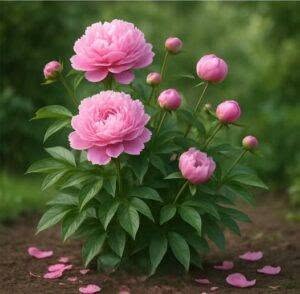
Discover 10 important things to do after peonies finish blooming, including deadheading, watering, feeding, pest checks, and preparing plants for next year’s spectacular flowers.
Peonies may put on their biggest show in late spring or early summer, but what you do after the flowers fade can affect the plant’s health and next year’s display.
Many gardeners focus only on getting peonies to bloom and then forget about them once the petals fall. That’s a mistake. The weeks after flowering are an important time for the plant to maintain healthy foliage, store energy, and prepare for the following season.
Here are 10 things worth doing after your peonies bloom.
1. Remove the Spent Flowers
Once the flowers begin to fade, remove them rather than leaving them on the plant.
Cut the faded flower head just above a set of healthy leaves.
This process, known as deadheading, keeps the plant looking tidy and prevents it from putting unnecessary energy into seed production.
Don’t remove the entire stem unless there’s a reason to do so.
2. Keep the Leaves
One of the biggest mistakes is cutting peony foliage down immediately after flowering.
The leaves are still working.
Through photosynthesis, the plant uses its foliage to produce energy and store resources in its roots for the following growing season.
Let healthy green foliage remain throughout the summer.
3. Water During Dry Periods
Peonies generally don’t need constantly wet soil, but newly planted plants and established plants experiencing prolonged dry weather may benefit from supplemental watering.
Water deeply around the root zone rather than giving the plant frequent shallow sprinkles.
Allow the soil to drain properly and avoid keeping it constantly soggy.
4. Don’t Overfertilize
After flowering, gardeners sometimes assume that a large dose of fertilizer will guarantee more flowers next year.
More isn’t necessarily better.
If your soil is reasonably fertile, peonies may not need heavy feeding. Excess nitrogen can encourage lots of leafy growth without necessarily improving flowering.
If you fertilize, choose a product appropriate for flowering perennials and follow its label instructions.
5. Check for Fungal Problems
Peonies can occasionally develop fungal diseases, particularly in damp or poorly ventilated conditions.
Inspect the leaves and stems for:
- Dark spots
- Brown patches
- Powdery growth
- Wilting or collapsing stems
- Unusual discoloration
Remove badly affected plant material and dispose of diseased material appropriately rather than adding it to a home compost pile.
6. Give Crowded Plants More Airflow
Good airflow can help foliage dry more quickly after rain and reduce conditions that favor fungal disease.
If your peony is surrounded by dense vegetation, remove competing weeds and excessive growth around the plant.
Avoid packing other plants tightly around the peony.
7. Keep Weeds Away
Weeds compete with peonies for water, nutrients, and sunlight.
Carefully remove weeds around the plant, taking care not to damage the shallow roots.
A layer of organic mulch can help suppress new weeds and conserve soil moisture.
Keep mulch away from direct contact with the crown and stems.
8. Inspect the Plant for Pests
After flowering, take a few minutes to inspect your peony.
Look underneath leaves and around stems for insects, damaged foliage, or signs of infestation.
A few insects aren’t necessarily a serious problem, so avoid automatically reaching for pesticides.
If you find a significant infestation, identify the pest first and choose the least harmful appropriate treatment.
9. Support Heavy Stems if Necessary
If your peony flowers caused stems to bend or collapse, consider installing a support ring or other suitable plant support.
It’s best to support plants before they become heavily loaded with flowers, but you can still improve support during the growing season if needed.
Good support can also help keep foliage and stems from sprawling onto the ground.
10. Wait Until the Foliage Dies Back Before Cutting It
Don’t cut healthy peony foliage to the ground immediately after flowering.
Wait until the leaves naturally turn yellow or brown and begin dying back, usually later in the growing season.
At that point, the plant is entering dormancy and the foliage can generally be cut back to the ground.
Clean up fallen leaves and plant debris around the plant, particularly if there were disease problems during the season.
What About Dividing Peonies?
You don’t normally need to divide a healthy peony every few years simply because it’s old.
Peonies can remain productive in the same location for many years.
If a mature plant genuinely needs dividing, early fall is generally a better time than immediately after flowering in many climates. Dividing too frequently or incorrectly can delay flowering.
The Biggest Mistake to Avoid
If you remember only one thing, remember this:
Don’t cut healthy green peony foliage immediately after the flowers disappear.
The flowers may be finished, but the plant isn’t.
Those leaves are still producing energy that helps the peony prepare for its next growing season.
Final Takeaway
Once your peonies finish flowering, don’t simply walk away until next spring.
Deadhead the spent blooms, keep the healthy foliage, water during prolonged dry periods, control weeds, monitor for disease and pests, and wait until the foliage naturally dies back before cutting the plant down.
A few simple steps after flowering can help keep your peonies healthy, vigorous, and ready for another beautiful display next year.
Which post-bloom peony-care step do you usually forget?