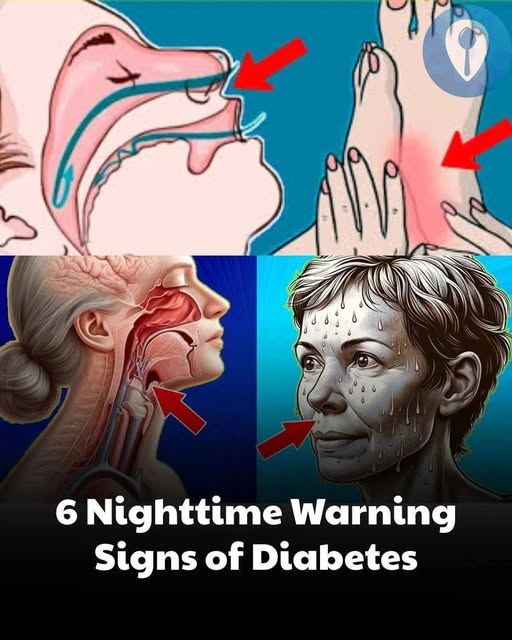
Waking frequently at night to urinate, excessive thirst, night sweats, restless sleep, and other symptoms can sometimes be associated with diabetes. Learn which nighttime signs deserve attention.
Diabetes doesn’t always announce itself with obvious symptoms. Sometimes, changes are more noticeable at night, when you’re repeatedly waking up, feeling unusually thirsty, or struggling to sleep comfortably.
These symptoms don’t automatically mean you have diabetes. Many other conditions can cause them. But when several symptoms occur together or persist, it’s worth discussing them with a healthcare professional.
Here are six nighttime symptoms to know.
1. Waking Up Frequently to Urinate
One of the classic symptoms associated with diabetes is frequent urination.
When blood glucose becomes too high, the kidneys may excrete excess glucose into the urine. Water follows the glucose, increasing urine production.
You may notice yourself getting up several times during the night even though you didn’t drink an unusually large amount of fluid before bed.
This symptom is called nocturia.
Of course, frequent nighttime urination can also be caused by an enlarged prostate, urinary problems, certain medications, pregnancy, excessive evening fluids, or other conditions.
2. Unusual Thirst at Night
Frequent urination can contribute to fluid loss, which may make you feel unusually thirsty.
You might wake up with a very dry mouth or feel the need to drink water repeatedly throughout the night.
Persistent excessive thirst, especially when combined with frequent urination, can be a reason to have your blood glucose checked.
3. Nighttime Hunger
Some people with poorly controlled diabetes experience unusual hunger.
When glucose cannot effectively enter cells and be used for energy, the body may signal that it needs more fuel—even when you’ve recently eaten.
Persistent excessive hunger is known as polyphagia.
Nighttime hunger alone isn’t a reliable sign of diabetes, however. Eating habits, stress, sleep deprivation, and changes in activity can all affect appetite.
4. Night Sweats
Waking up drenched in sweat can have many possible causes, including a warm bedroom, hormonal changes, infections, medications, and other medical conditions.
For someone taking insulin or certain diabetes medications, however, low blood sugar (hypoglycemia) can cause sweating, shakiness, hunger, rapid heartbeat, confusion, or nightmares during the night.
If you regularly wake up sweating—particularly if you have diabetes or take glucose-lowering medication—talk with your healthcare professional.
5. Restless Sleep or Nighttime Headaches
Blood-glucose fluctuations can sometimes interfere with sleep.
Low blood sugar during the night may cause symptoms such as sweating, nightmares, shaking, confusion, or headache upon waking.
High blood glucose may also contribute to thirst and frequent urination, which can repeatedly interrupt sleep.
These symptoms aren’t specific to diabetes, but recurring unexplained sleep disruption deserves attention.
6. Tingling, Burning, or Numbness in the Feet
Persistent high blood glucose over time can damage nerves, a complication known as diabetic neuropathy.
Some people experience burning, tingling, numbness, or unusual sensitivity in their feet and legs. These sensations can become particularly noticeable when lying quietly at night.
Don’t assume that nighttime tingling automatically means diabetes. Nerve compression, vitamin deficiencies, circulation problems, and other conditions can cause similar symptoms.
When Should You Get Checked?
Consider talking to a healthcare professional if you repeatedly experience several of these symptoms, particularly:
- Frequent nighttime urination
- Excessive thirst
- Unexplained weight loss
- Persistent fatigue
- Increased hunger
- Blurred vision
- Slow-healing cuts
- Recurrent infections
- Tingling or numbness
A simple blood glucose test or HbA1c test can help determine whether your blood sugar is in a healthy range.
Don’t Ignore Severe Symptoms
Very high blood sugar can become dangerous. Seek urgent medical attention if symptoms such as extreme thirst and urination occur alongside vomiting, severe weakness, abdominal pain, confusion, difficulty breathing, or marked drowsiness.
Final Takeaway
Waking up once during the night doesn’t mean you have diabetes. But repeated nighttime thirst, urination, sweating, unusual hunger, disrupted sleep, or burning and tingling sensations can sometimes provide clues that something needs checking.
The only way to determine whether you have diabetes is through appropriate medical testing—not symptoms alone.
If these changes are persistent or occurring together, don’t ignore them. A routine blood-glucose check can provide much more useful information than trying to diagnose yourself from nighttime symptoms.