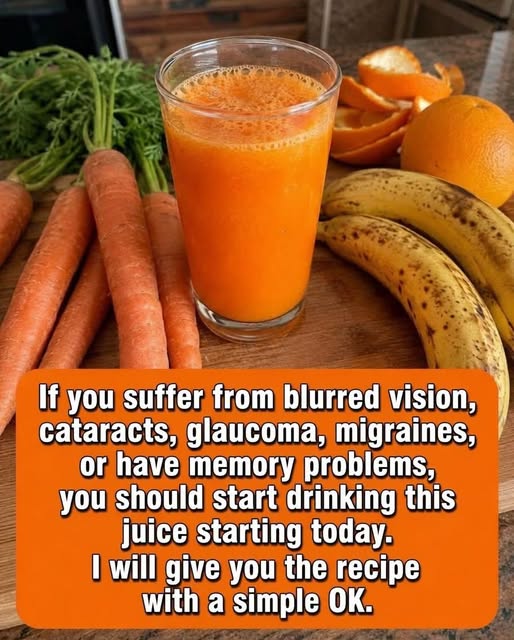
Learn which nutrients in fruits and vegetables may support healthy vision and brain function, and why a juice cannot cure cataracts, glaucoma, migraines, or memory problems.
Blurred vision, headaches, migraines, and changes in memory can be unsettling. Because of this, natural remedies—especially colorful fruit and vegetable juices—often attract attention online.
But there is an important distinction between supporting overall health and treating a medical condition.
A nutritious juice can provide vitamins, minerals, antioxidants, and other plant compounds that contribute to a healthy diet. However, there is currently no juice that has been proven to cure cataracts, glaucoma, migraines, or memory disorders.
Why Are Colorful Juices Getting Attention?
Many fruits and vegetables contain compounds associated with eye and brain health.
Depending on the ingredients, a homemade juice may provide nutrients such as:
- Vitamin C, an antioxidant involved in normal tissue health
- Carotenoids, including beta-carotene and other plant pigments
- Folate, which is important for normal cell function
- Potassium, an essential mineral
- Polyphenols, naturally occurring plant compounds found in many fruits and vegetables
Eating a variety of whole fruits and vegetables is generally a better nutritional strategy than relying on one particular juice.
Can Juice Improve Blurred Vision?
Blurred vision has many possible causes, including an incorrect glasses prescription, dry eyes, diabetes, medication effects, eye disease, or other medical conditions.
Nutrition is important for maintaining general eye health, but persistent or sudden blurred vision should not be treated with juice alone.
Sudden vision loss or a sudden major change in vision can be an emergency and requires prompt medical evaluation.
What About Cataracts?
Cataracts occur when the normally clear lens of the eye becomes cloudy. They are particularly common with aging.
A diet rich in fruits and vegetables may contribute to overall eye health, but there is no evidence that drinking a particular juice can dissolve or reverse an established cataract.
When cataracts significantly interfere with daily activities, an eye specialist can discuss appropriate treatment options.
Can a Juice Treat Glaucoma?
Glaucoma involves damage to the optic nerve and can lead to permanent vision loss.
This is especially important because glaucoma may develop gradually without obvious symptoms in its early stages.
Juice should never replace prescribed glaucoma treatment or regular eye examinations.
If someone has glaucoma, they should continue following their ophthalmologist’s treatment plan even if they choose to include nutritious juices in their diet.
What About Migraines?
Migraines can be triggered by many different factors, including stress, sleep changes, dehydration, certain foods, hormonal changes, and other individual triggers.
Staying adequately hydrated and maintaining a balanced diet may be helpful for some people, but there is no universal juice proven to prevent or cure migraines.
If headaches are becoming more frequent, severe, or different from usual, medical evaluation is appropriate.
Can Juice Help With Memory?
The brain requires adequate nutrition to function normally. A balanced diet containing fruits, vegetables, whole grains, healthy fats, and adequate protein can support general health.
However, memory loss has many possible causes. Normal aging, medication effects, sleep problems, nutritional deficiencies, depression, neurological conditions, and other medical issues can all contribute.
A juice should therefore not be presented as a treatment for dementia or significant memory impairment.
A Better Way to Think About “Healthy Juice”
Rather than looking for one miracle drink, think about juice as one small part of an overall healthy eating pattern.
If you enjoy juice, consider making it from a variety of colorful fruits and vegetables while being mindful of portion size. Whole fruits and vegetables also provide fiber, which is often reduced or removed when produce is juiced.
For people with diabetes or blood-sugar concerns, large servings of fruit juice can contain a substantial amount of naturally occurring sugar, so portion size and the overall diet matter.
When Vision Problems Need Urgent Attention
Don’t wait for a home remedy if vision changes happen suddenly.
Seek urgent medical attention for symptoms such as:
- Sudden loss of vision
- Sudden double vision
- Sudden severe blurred vision
- New weakness or numbness
- Facial drooping
- Difficulty speaking
- Severe sudden headache
- New confusion
- Severe eye pain, particularly with nausea or vomiting
These symptoms can sometimes indicate a serious eye or neurological problem.
The Bottom Line
A colorful, nutrient-rich juice can be a pleasant way to add certain fruits and vegetables to your diet, but it should not be promoted as a cure for cataracts, glaucoma, migraines, blurred vision, or memory problems.
Good nutrition supports the body, but established eye diseases and neurological symptoms require proper diagnosis and, when necessary, medical treatment.
If you’re experiencing persistent blurred vision, worsening memory problems, recurrent migraines, or any sudden change in vision, speak with an appropriate healthcare professional rather than relying on a juice alone.
This article is for general educational purposes and does not replace professional medical advice, diagnosis, or treatment.