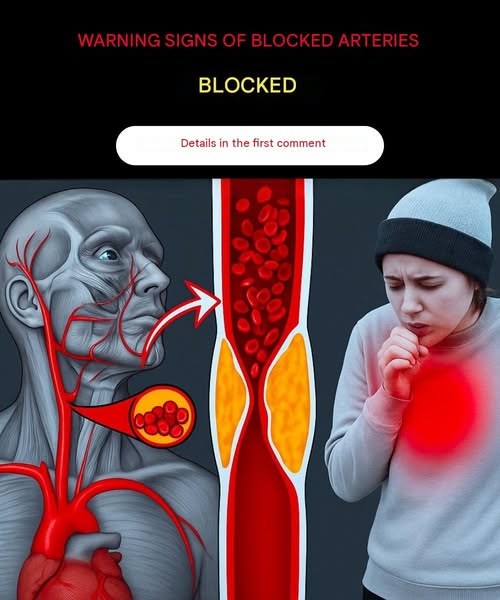
Learn about subtle warning signs that may be associated with narrowed or blocked arteries, including leg pain, cold extremities, chest discomfort, fatigue, and changes in circulation.
Arterial blockages can develop gradually, and one of the most concerning aspects of artery disease is that some people have few or no obvious symptoms until blood flow becomes significantly restricted.
Arteries carry oxygen-rich blood throughout the body. When fatty deposits called plaque build up inside an artery, the vessel can become narrowed. This process is commonly known as atherosclerosis.
Depending on which arteries are affected, the warning signs can look very different.
1. Leg Pain While Walking
One of the classic symptoms of peripheral artery disease (PAD) is pain, cramping, or heaviness in the legs during walking or exercise that improves with rest.
It commonly affects the calves, although the thighs, hips, or buttocks can also be involved.
People sometimes assume this is simply aging or muscle fatigue. But recurring pain that follows this pattern deserves medical evaluation.
2. Cold Feet or Legs
Poor circulation can sometimes cause one foot or leg to feel unusually cold compared with the other.
Cold feet can have many causes, however, so this symptom alone does not prove that an artery is blocked.
A sudden cold, pale, painful limb is much more concerning and requires urgent medical attention.
3. Numbness or Weakness in the Legs
Reduced blood flow can sometimes be associated with numbness, weakness, or unusual sensations in the legs or feet.
If these symptoms repeatedly occur with walking or physical activity, talk with a healthcare professional.
4. Wounds That Heal Slowly
Poor circulation can interfere with the body’s ability to deliver oxygen and nutrients to tissues.
As a result, people with significant peripheral artery disease may develop sores or wounds on the feet or legs that heal unusually slowly.
A wound that isn’t healing should not be ignored, particularly in someone with diabetes or known vascular disease.
5. Changes in Skin Color
Reduced circulation can sometimes cause changes in the color or appearance of the skin.
A foot or leg may appear unusually pale, bluish, or reddish depending on the circumstances and position of the limb.
Sudden discoloration accompanied by pain or coldness can indicate an acute circulation problem and requires emergency assessment.
6. Erectile Dysfunction
In some men, erectile dysfunction can be associated with blood-vessel disease.
Because the arteries supplying the penis are relatively small, problems with blood flow may sometimes become noticeable before more serious cardiovascular symptoms develop.
Erectile dysfunction has many possible causes, so it should not automatically be interpreted as evidence of blocked arteries. Nevertheless, persistent unexplained erectile dysfunction is worth discussing with a healthcare professional.
7. Chest Pressure or Discomfort
When plaque affects the coronary arteries, reduced blood flow to the heart can cause angina.
This may feel like:
- Pressure
- Tightness
- Squeezing
- Heaviness
- Burning
- Discomfort in the chest
The sensation may spread to the arm, shoulder, back, neck, jaw, or upper abdomen.
Some people—particularly older adults and people with diabetes—may have less typical symptoms.
8. Unusual Shortness of Breath or Fatigue
Reduced blood flow to the heart can sometimes cause shortness of breath or unusual fatigue, particularly during physical activity.
These symptoms are nonspecific and can have many causes, but new or unexplained symptoms should be evaluated rather than automatically blamed on aging.
9. Symptoms of Reduced Blood Flow to the Brain
Arterial disease can also affect the blood vessels supplying the brain.
Sudden symptoms such as:
- Facial drooping
- Arm weakness or numbness
- Speech difficulty
- Sudden vision loss
- Severe loss of balance
can indicate a stroke or transient ischemic attack (TIA).
These are emergencies.
A Dangerous Mistake: Waiting for Pain
Atherosclerosis can progress without noticeable symptoms.
That’s why controlling cardiovascular risk factors is so important even when you feel healthy.
Risk factors include:
- High blood pressure
- High LDL cholesterol
- Diabetes
- Smoking
- Obesity
- Physical inactivity
- Family history of cardiovascular disease
- Increasing age
What Can You Do to Protect Your Arteries?
There is no proven food, drink, or supplement that can simply “flush out” blocked arteries.
Instead, focus on proven cardiovascular-health measures:
Keep Blood Pressure Under Control
High blood pressure can damage artery walls over time.
Manage Cholesterol
If your doctor recommends cholesterol-lowering medication, take it as prescribed. Diet and physical activity can also contribute to healthier cholesterol levels.
Don’t Smoke
Smoking significantly increases cardiovascular risk and damages blood vessels.
Stay Physically Active
Regular physical activity supports cardiovascular fitness and can improve walking ability in people with peripheral artery disease when performed under appropriate medical guidance.
Manage Diabetes
Keeping blood glucose within your recommended range can help reduce vascular complications.
Eat a Heart-Healthy Diet
Emphasize vegetables, fruits, whole grains, legumes, nuts, fish, and other minimally processed foods while limiting excessive saturated fat, sodium, and highly processed foods.
When Is It an Emergency?
Call your local emergency medical service immediately for symptoms that could indicate a heart attack or stroke.
Also seek emergency care for a suddenly painful, pale, cold, numb, or weak arm or leg, which can indicate an acute loss of blood flow.
Don’t massage the limb or wait for the symptoms to disappear.
The Bottom Line
Arterial disease can be surprisingly quiet. Leg pain with walking, slow-healing wounds, unusual circulation changes, chest pressure, unexplained shortness of breath, and sudden neurological symptoms can all warrant medical attention depending on the circumstances.
But these symptoms don’t automatically mean that an artery is blocked. Many other conditions can produce similar symptoms.
The safest approach is to take persistent or sudden changes seriously, manage cardiovascular risk factors, and seek medical evaluation when warning signs appear.
This article is for general educational purposes and does not diagnose arterial blockage. Sudden chest pain, stroke symptoms, or sudden loss of blood flow to a limb require emergency medical attention.