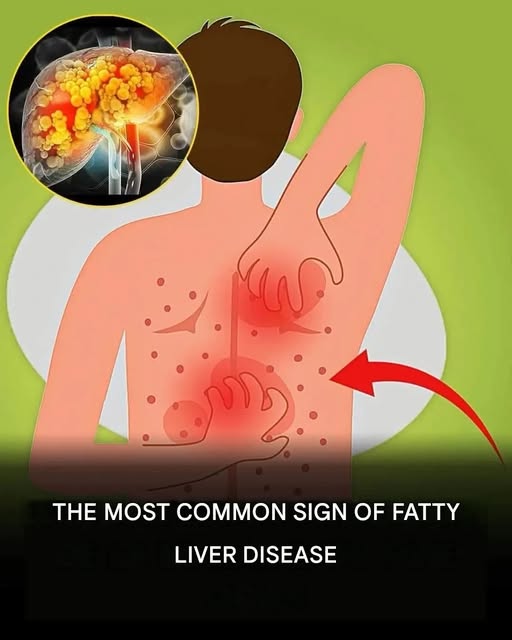
Fatty liver disease can develop without obvious symptoms. Learn the warning signs, common causes, risk factors, diagnosis, and practical lifestyle steps that may help protect your liver.
Fatty liver disease is increasingly common, yet many people don’t realize they have it until it is discovered during routine blood tests or an abdominal scan. The condition can develop quietly, sometimes causing few or no noticeable symptoms in its early stages.
The good news is that fatty liver can often be improved, particularly when it is identified early and the underlying causes are addressed.
What Is Fatty Liver?
Fatty liver means that excess fat has accumulated inside the liver.
The liver normally contains some fat, but excessive accumulation can interfere with normal liver function and, in some people, trigger inflammation and progressive liver damage.
Fatty liver disease is broadly divided into two major categories:
- Metabolic dysfunction-associated steatotic liver disease (MASLD) — associated with metabolic risk factors such as excess body weight, insulin resistance, type 2 diabetes, high blood pressure, and abnormal cholesterol or triglyceride levels.
- Alcohol-associated liver disease — caused by excessive alcohol consumption.
A person can also have more than one contributing factor.
Why Is It Called a “Silent” Condition?
Many people with fatty liver have no obvious symptoms, especially during the early stages.
Others may experience nonspecific symptoms such as:
- Fatigue
- General weakness
- Mild discomfort in the upper-right abdomen
- A feeling of fullness
- Occasionally unexplained changes in appetite
These symptoms aren’t specific to fatty liver, so they cannot confirm the condition by themselves.
That is why fatty liver is sometimes discovered accidentally when a doctor orders blood tests or imaging for another reason.
What Increases the Risk?
Several factors can increase the likelihood of developing fatty liver.
1. Excess Body Weight
Having overweight or obesity, particularly excess abdominal fat, is strongly associated with metabolic fatty liver disease.
However, not everyone with fatty liver is overweight. Lean people can develop the condition as well.
2. Type 2 Diabetes and Insulin Resistance
Insulin resistance can contribute to increased fat storage in the liver. People with type 2 diabetes have a higher risk of developing fatty liver and more advanced liver disease.
3. High Triglycerides
Elevated triglycerides and other metabolic abnormalities can be associated with fat accumulation in the liver.
4. High Blood Pressure
High blood pressure often occurs alongside other metabolic risk factors and can increase the overall risk of liver and cardiovascular complications.
5. Alcohol
Regular excessive alcohol consumption can cause fat accumulation and inflammation in the liver.
It’s important to distinguish alcohol-related liver disease from MASLD, although the two can sometimes overlap.
Can Fatty Liver Damage the Liver?
Yes.
For some people, fatty liver remains relatively stable. For others, excess fat can be accompanied by inflammation and liver-cell injury.
Progressive disease can lead to:
Fat accumulation → inflammation and liver injury → fibrosis → cirrhosis
Cirrhosis is advanced scarring of the liver and can seriously impair liver function.
Not everyone with fatty liver progresses to cirrhosis, but identifying people at higher risk is important.
How Is Fatty Liver Diagnosed?
There isn’t one symptom or home test that can diagnose fatty liver.
A healthcare professional may use:
- Medical history
- Physical examination
- Blood tests
- Ultrasound
- Other forms of liver imaging
- Non-invasive fibrosis assessments
- Occasionally, additional specialist testing
Liver enzymes such as ALT and AST may be checked, but normal liver enzymes do not necessarily rule out fatty liver or significant liver disease.
Doctors may also calculate risk scores using routine blood-test results and other information to determine whether additional evaluation is needed.
What Can You Do to Protect Your Liver?
Lifestyle changes are an important part of managing metabolic fatty liver disease.
Maintain a Healthy Weight
If you have overweight or obesity, gradual weight loss can reduce liver fat and may improve liver inflammation and fibrosis risk.
Avoid crash diets and extreme fasting plans. A sustainable eating pattern is generally easier to maintain.
Choose More Whole Foods
Build meals around foods such as:
- Vegetables
- Fruits
- Whole grains
- Beans and lentils
- Fish
- Lean protein
- Nuts and seeds
Limit highly processed foods and foods containing large amounts of added sugar and saturated fat.
Cut Back on Sugary Drinks
Soft drinks, sweetened juices, energy drinks, and other sugary beverages can contribute substantial amounts of added sugar and calories.
Water, unsweetened tea, and other low-calorie beverages are generally better everyday choices.
Stay Physically Active
Regular physical activity can benefit liver health even when substantial weight loss doesn’t occur.
Walking, cycling, swimming, and resistance exercises can all be useful. If you’re inactive, start gradually and increase activity according to your abilities.
Don’t Rely on “Liver Detox” Products
Juice cleanses, detox drinks, herbal mixtures, and supplements are frequently promoted as ways to “flush” fat from the liver.
There is no need to detox the liver with a special drink. The liver already performs detoxification functions continuously.
Some supplements can also interact with medications or, in certain cases, cause liver injury.
Before taking a supplement marketed for “liver cleansing,” discuss it with a healthcare professional.
When Should You See a Doctor?
Speak with a healthcare professional if you have risk factors for fatty liver, abnormal liver tests, persistent unexplained fatigue, or concerns about liver health.
Seek urgent medical care for symptoms such as yellowing of the skin or eyes, vomiting blood, black stools, severe abdominal swelling, confusion, or sudden severe illness, as these can indicate serious liver problems.
The Bottom Line
Fatty liver can develop without obvious warning signs, which is why it’s easy to overlook.
The condition isn’t necessarily a sign that severe liver damage has already occurred. Early identification and attention to weight, diet, physical activity, blood sugar, cholesterol, blood pressure, and alcohol intake can make a meaningful difference.
If you’re concerned about fatty liver, don’t wait for symptoms to appear. A proper medical evaluation is much more useful than relying on a “detox” remedy or a single food.