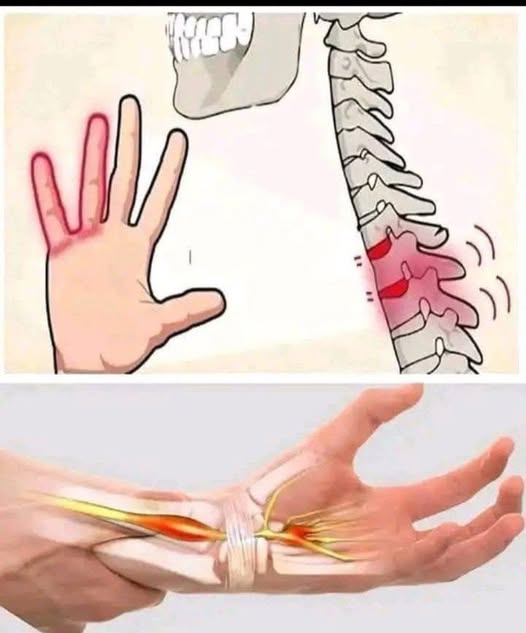
Numbness or tingling in your hands can have many causes, from temporary nerve pressure to diabetes, carpal tunnel syndrome, or circulation problems. Learn when it may require medical attention.
That familiar “pins and needles” feeling in your hands is usually called numbness or paresthesia. While it can happen simply because you’ve slept on your arm or held a position that compressed a nerve, persistent or recurring hand numbness shouldn’t automatically be attributed to one particular disease.
1. Temporary nerve compression
If your hand becomes numb after sleeping on it or keeping your wrist or elbow in one position, the sensation often disappears once you change position. This is usually temporary nerve compression.
2. Carpal tunnel syndrome
Numbness or tingling involving the thumb, index finger, middle finger, and part of the ring finger can occur with carpal tunnel syndrome, which involves compression of the median nerve at the wrist.
Symptoms may be worse at night or after repetitive hand and wrist activities.
3. Diabetes
Persistently high blood sugar can damage nerves over time, causing peripheral neuropathy. Symptoms may include tingling, burning, numbness, or reduced sensation, often beginning in the feet but sometimes affecting the hands.
Hand numbness alone does not mean you have diabetes.
4. A pinched nerve in the neck
Problems involving the nerves leaving the cervical spine can cause numbness, tingling, pain, or weakness that travels into the arm and hand.
5. Vitamin deficiencies and other conditions
Certain nutritional deficiencies, alcohol-related nerve damage, thyroid disorders, some medications, and other neurological conditions can also cause numbness or tingling.
6. Circulation problems
Reduced blood flow can sometimes cause numbness, particularly when a hand becomes unusually cold, pale, blue, or painful.
When is hand numbness an emergency?
Sudden numbness or weakness—especially if it affects one side of the body—can be a sign of a stroke.
Seek emergency medical help immediately if hand numbness occurs suddenly together with:
- Facial drooping
- Trouble speaking or understanding speech
- Sudden weakness
- Severe dizziness or loss of balance
- Sudden vision problems
- A sudden, severe headache
Don’t wait for these symptoms to disappear.
When should you see a doctor?
Make an appointment if the numbness keeps returning, lasts for a long time, is getting worse, wakes you at night, or is accompanied by weakness or loss of coordination.
Bottom line: Hands “falling asleep” is common and often harmless when it happens briefly after pressure or an awkward position. But recurring or persistent numbness has many possible causes and deserves evaluation rather than assuming it is a specific disease.