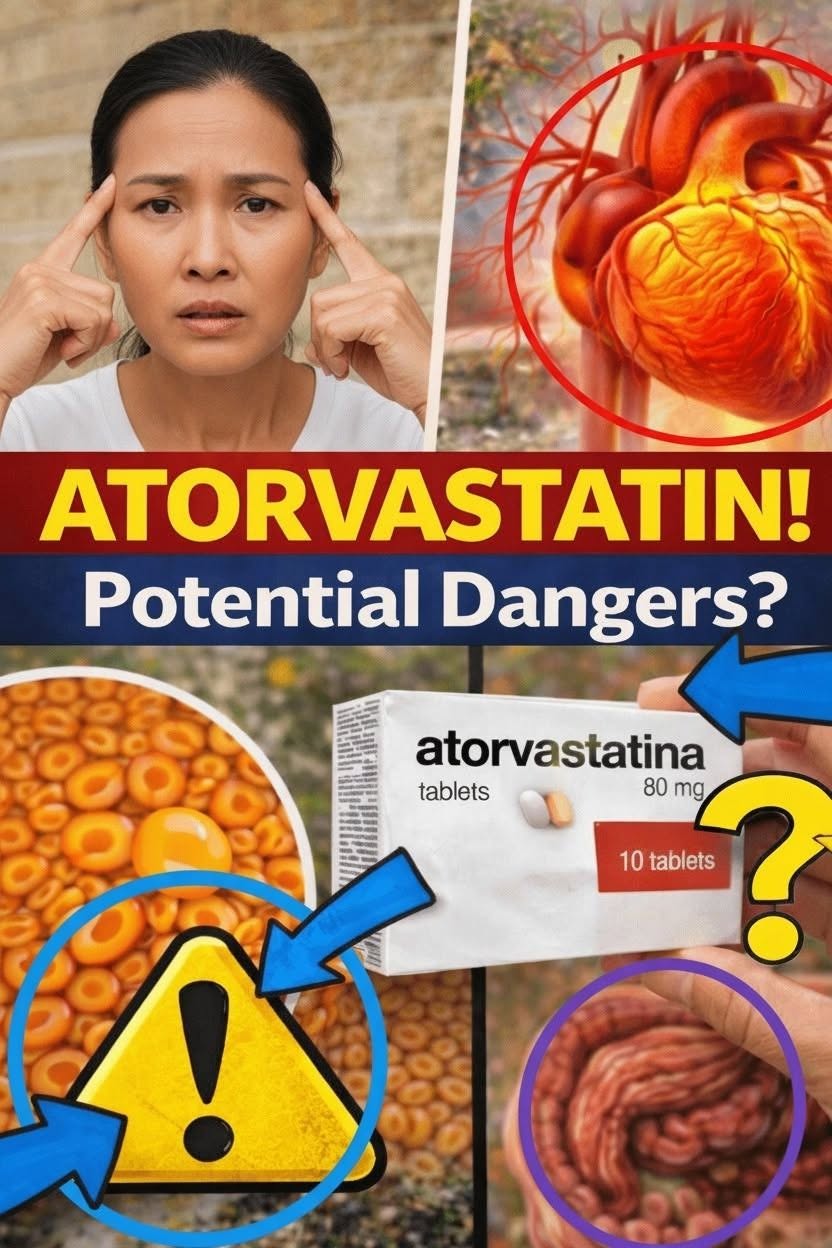
Learn the common and serious side effects of atorvastatin, including muscle pain, liver problems, drug interactions, grapefruit precautions, blood sugar changes, and when to seek medical help.
Atorvastatin is a widely prescribed statin medication used to lower LDL (“bad”) cholesterol and reduce the risk of cardiovascular problems such as heart attack and stroke. Like every medicine, it can cause side effects—but serious reactions are uncommon, and many people take atorvastatin without significant problems.
Here are 15 important things to know.
1. Muscle aches can occur
Some people experience muscle pain, tenderness, cramps, or weakness while taking atorvastatin. Muscle symptoms can have many causes, so they aren’t automatically caused by the medication.
2. Severe muscle symptoms need attention
Rarely, statins can cause serious muscle injury called rhabdomyolysis, which can damage the kidneys. Unexplained severe muscle pain or weakness—especially with fever, marked fatigue, or dark/brown urine—requires prompt medical attention.
3. Liver problems are possible but uncommon
Atorvastatin can affect liver enzymes and, rarely, cause liver inflammation. Warning signs include yellowing of the skin or eyes, dark urine, unusual tiredness, loss of appetite, or upper-abdominal pain.
4. Headaches can happen
Headache is among the side effects reported with atorvastatin. If headaches are persistent, severe, or unusual, discuss them with your healthcare professional rather than assuming the medicine is definitely responsible.
5. Digestive symptoms are possible
Some people report nausea, constipation, diarrhea, indigestion, gas, or stomach discomfort. These symptoms are often manageable, but persistent problems should be discussed with a pharmacist or doctor.
6. Blood sugar can increase
Atorvastatin and other statins can cause an increase in blood glucose in some people. This doesn’t mean everyone taking atorvastatin will develop diabetes, and the cardiovascular benefits of statin therapy can outweigh this risk when the medication is appropriately prescribed.
7. Don’t stop it just because you feel well
High cholesterol often causes no symptoms. Atorvastatin is prescribed to reduce cardiovascular risk, so stopping it without medical advice can allow cholesterol levels to rise again.
8. Drug interactions matter
Certain medicines can increase atorvastatin levels and raise the risk of muscle toxicity. Examples include some antibiotics, antifungals, antiviral medicines, immunosuppressants, and other cholesterol-lowering drugs. Always tell your doctor or pharmacist about everything you’re taking.
9. Grapefruit can interact with atorvastatin
Large amounts of grapefruit or grapefruit juice can increase atorvastatin exposure and potentially increase side effects. If you regularly consume grapefruit, ask your pharmacist or doctor how much is appropriate for you.
10. Alcohol deserves caution
Heavy alcohol consumption can increase the risk of liver problems while taking atorvastatin. If you drink regularly or heavily, tell your healthcare professional.
11. Kidney problems can increase muscle-related risk
People with kidney impairment may be at greater risk of complications from severe muscle injury. Your healthcare professional may consider your kidney function and other risk factors when deciding on treatment.
12. Higher doses can increase certain risks
The risk of muscle toxicity can increase with higher atorvastatin doses and with particular interacting medications. Never increase your dose because your cholesterol hasn’t improved as quickly as you expected.
13. Thyroid problems are worth mentioning
Uncontrolled hypothyroidism is one factor associated with increased risk of statin-related muscle problems. Tell your doctor if you have thyroid disease or develop unexplained muscle symptoms.
14. Pregnancy requires special attention
Atorvastatin is not recommended during pregnancy. If you’re pregnant, planning pregnancy, or become pregnant while taking it, contact your healthcare professional promptly for individualized advice.
15. Rare doesn’t mean impossible
Severe allergic reactions, serious muscle injury, and significant liver problems are uncommon, but knowing the warning signs is important. Seek urgent medical care for difficulty breathing or swelling of the face/throat, or promptly contact a healthcare professional for severe unexplained muscle symptoms or signs of liver injury.
When should you contact your doctor?
Don’t ignore new or unexplained muscle pain, tenderness, or weakness, especially if it is severe or accompanied by fever or dark urine. Also report yellow skin or eyes, dark urine, persistent upper-abdominal pain, or other concerning symptoms.
The bottom line
Atorvastatin isn’t completely free of side effects, but most people tolerate it well, and it has an important role in reducing cardiovascular risk. The goal isn’t to fear every possible side effect—it is to understand the warning signs, check for drug interactions, and work with your healthcare professional if problems occur.
Never change the dose or stop atorvastatin on your own. If you’re experiencing a particular symptom after starting it, a pharmacist or doctor can help determine whether it could be related to the medication and whether an adjustment or alternative is appropriate.