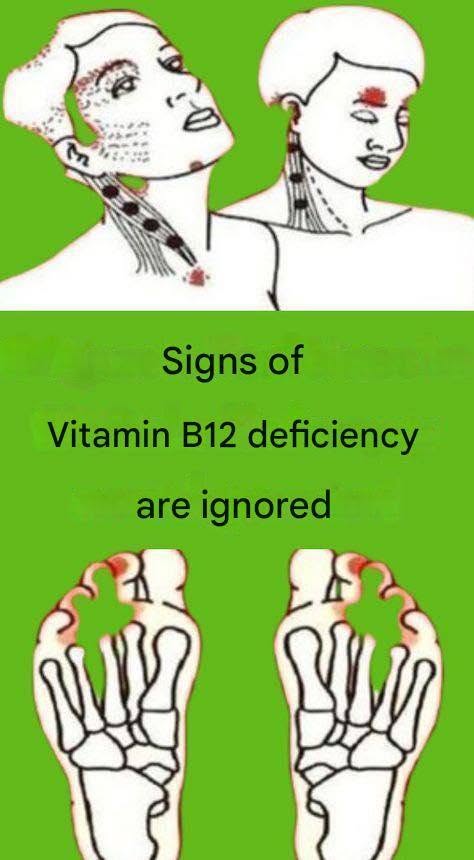
Learn the common and overlooked signs of vitamin B12 deficiency, including fatigue, numbness, balance problems, mouth changes, memory difficulties, and anemia.
Vitamin B12 is essential for making healthy red blood cells, maintaining the nervous system, and supporting normal DNA production. When B12 levels become too low, symptoms can develop gradually and may be mistaken for stress, aging, poor sleep, or simply being “run down.”
Recognizing the signs matters because prolonged B12 deficiency can cause nerve damage, which may become permanent if treatment is delayed.
1. Persistent tiredness
Feeling unusually tired or weak can be an early symptom. B12 deficiency can contribute to megaloblastic anemia, which reduces the blood’s ability to carry oxygen efficiently.
If you’re constantly exhausted despite getting adequate sleep, it may be worth discussing with a healthcare professional.
2. Numbness or tingling
A classic neurological symptom is a “pins and needles” sensation in the hands or feet.
Some people describe burning, tingling, reduced sensation, or an unusual feeling in their limbs. These symptoms shouldn’t automatically be blamed on poor circulation.
3. Muscle weakness
B12 deficiency can affect the nervous system and may contribute to weakness. Someone might notice that everyday activities feel more difficult than usual.
4. Balance problems
Difficulty walking steadily, coordination problems, or feeling unusually unsteady can occur when nerve function is affected.
This symptom deserves medical evaluation because many different neurological conditions can cause balance problems.
5. A swollen or sore tongue
B12 deficiency can cause glossitis, in which the tongue becomes sore, swollen, smooth, or unusually red.
Some people also experience burning sensations in the mouth.
6. Mouth ulcers
Recurring mouth sores can occur alongside B12 deficiency. However, mouth ulcers have numerous possible causes, so they aren’t specific to B12 deficiency.
7. Pale or yellowish skin
Anemia associated with B12 deficiency can make the skin appear unusually pale. In some cases, increased breakdown of abnormal red blood cells can contribute to a subtle yellowish appearance.
8. Changes in memory or concentration
B12 deficiency can affect the nervous system and may be associated with difficulty concentrating, confusion, or memory problems.
These symptoms have many possible causes, so testing is important rather than assuming B12 is responsible.
9. Mood changes
Some people with B12 deficiency experience changes in mood, including irritability or depressive symptoms.
Again, these symptoms aren’t unique to B12 deficiency and should be evaluated in context.
10. Vision problems
In more significant or prolonged deficiency, damage to the optic nerve can affect vision. New or unexplained vision changes should always be medically assessed rather than attributed to a vitamin deficiency without testing.
Who is more likely to develop B12 deficiency?
Risk can be higher in people who:
- Eat little or no animal-derived food without using fortified foods or supplements
- Have certain stomach or intestinal conditions
- Have had gastrointestinal surgery
- Take metformin for diabetes
- Take acid-reducing medicines for prolonged periods
- Have problems absorbing nutrients
Older adults may also have difficulty absorbing B12 from food.
How is B12 deficiency diagnosed?
Symptoms alone cannot confirm a deficiency. A healthcare professional can order blood tests, commonly including serum vitamin B12 and a complete blood count, and may recommend additional tests when the result is borderline or the diagnosis is uncertain.
Don’t wait if neurological symptoms are developing
Persistent numbness, weakness, difficulty walking, confusion, or vision changes deserve medical attention. B12 deficiency is treatable, but neurological complications can become difficult to reverse when deficiency remains untreated for a long time.
Bottom line: Fatigue is only one possible clue. Unexplained tingling, balance problems, tongue changes, anemia, or cognitive changes can also warrant checking B12—especially if you have risk factors for deficiency.