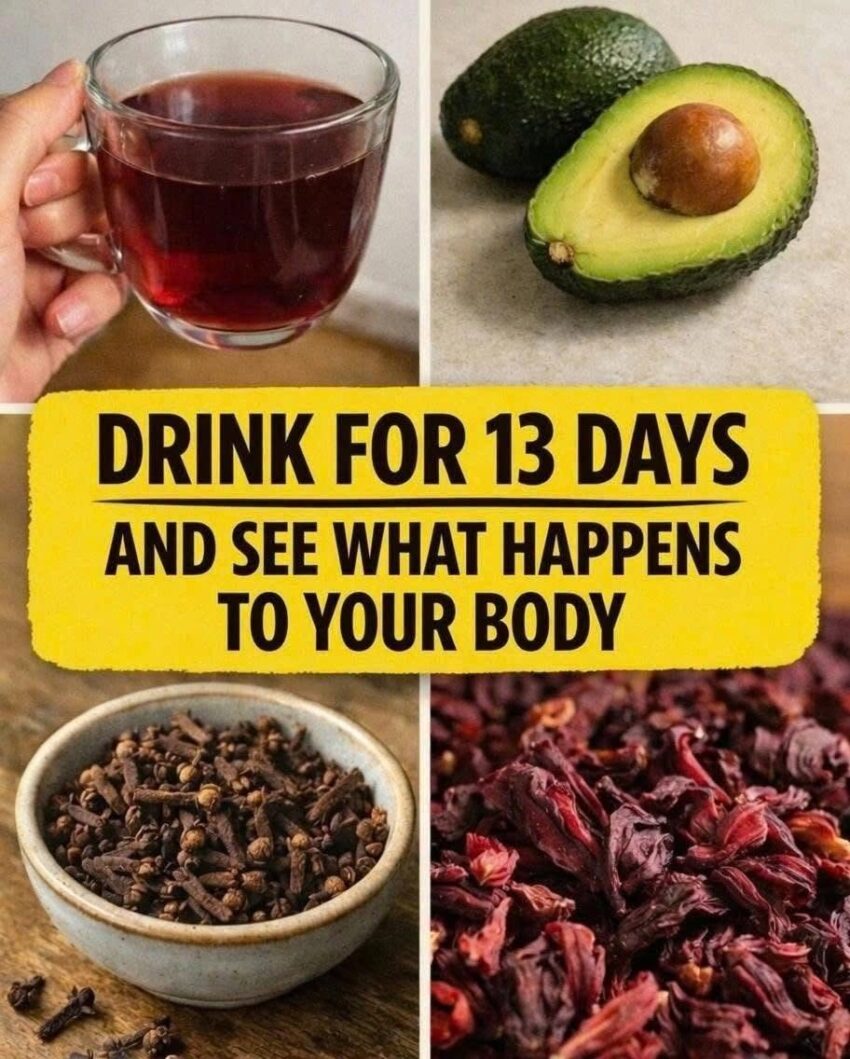
Explore what research says about avocado seed, clove, and hibiscus, their potential wellness benefits, safety considerations, and how to use them thoughtfully.
Avocado seed, clove, and hibiscus have all attracted attention in the world of natural wellness. You may see them featured in homemade teas, powders, hair and skincare recipes, or social-media wellness routines. Each contains naturally occurring plant compounds, but that doesn’t automatically mean every preparation is safe or effective.
So, can these three ingredients support everyday wellness? Potentially—but the evidence varies considerably, and some popular claims go beyond what research currently supports.
What Makes These Ingredients Interesting?
Plants contain compounds such as polyphenols, flavonoids, and other phytochemicals that researchers continue to study for their biological effects.
Clove and hibiscus, in particular, have been investigated in human and laboratory studies. Avocado seed has also been studied, but much of the evidence comes from laboratory or animal research rather than well-designed human clinical trials.
That distinction matters. A compound showing an interesting effect in a laboratory doesn’t necessarily mean eating or drinking the whole plant will produce the same result in people.
Avocado Seed: A Wellness Trend With Limited Human Evidence
The avocado fruit is well known for its nutritional value, but the seed is a different story.
Avocado seeds contain various phytochemicals, including phenolic compounds, and laboratory research has explored their antioxidant and other biological properties. However, there is currently limited evidence demonstrating clear health benefits from consuming avocado seed preparations in humans.
Because safety data for regular consumption are also limited, it’s best not to assume that avocado-seed powder or tea is automatically a healthy addition to your daily routine.
If you’re considering consuming avocado seed, especially in concentrated forms, it’s worth discussing it with a healthcare professional rather than relying on social-media recipes.
Clove: More Than a Kitchen Spice
Cloves are the dried flower buds of the clove tree and are widely used as a culinary spice.
They contain eugenol, a naturally occurring compound that has antioxidant and antimicrobial properties in laboratory studies. Clove and eugenol have also been investigated for oral-health applications.
That doesn’t mean consuming large amounts of cloves will provide extraordinary health benefits. In food amounts, however, cloves can be a flavorful way to add plant compounds to meals and drinks.
A Little Goes a Long Way
Clove has a strong flavor, so small culinary quantities are usually enough.
Be particularly cautious with clove oil. Essential oils are highly concentrated and aren’t equivalent to using the spice in food. Ingesting concentrated clove oil can be harmful and may cause serious adverse effects.
Hibiscus: A More Studied Option
Hibiscus tea, commonly made from Hibiscus sabdariffa, has received more attention in human research than avocado seed.
Studies have investigated hibiscus preparations for their potential effects on blood pressure and cardiovascular risk factors. Some clinical research suggests that hibiscus may modestly lower blood pressure in certain people.
However, hibiscus isn’t a replacement for prescribed blood-pressure medication or medical treatment.
If you take medication for blood pressure, it’s sensible to speak with your healthcare professional before regularly consuming concentrated hibiscus preparations.
Could You Combine Avocado Seed, Clove, and Hibiscus?
You may find recipes online that combine these ingredients into teas or powders. But the fact that ingredients are natural doesn’t establish that combining them produces additional health benefits.
There is also a lack of strong clinical evidence specifically evaluating a combined avocado-seed, clove, and hibiscus preparation for everyday wellness.
Instead of focusing on a three-ingredient “wellness formula,” consider each ingredient separately and ask:
- Is there good human evidence for the claimed benefit?
- What amount has actually been studied?
- Are there potential interactions with medications?
- Is the preparation food-like, or highly concentrated?
- Is there a safer, better-studied alternative?
Potential Safety Considerations
Natural products can still have pharmacological effects.
Hibiscus
Hibiscus may affect blood pressure, so people taking antihypertensive medication should be cautious about concentrated or frequent use.
Clove
Cloves contain eugenol. Culinary use is very different from consuming concentrated clove oil, which can be toxic in sufficiently large amounts.
Avocado Seed
The major concern with avocado seed is the limited human safety and efficacy data. More research is needed before regular consumption of concentrated seed products can be considered well established.
Pregnant or breastfeeding people, children, people with chronic illnesses, and anyone taking prescription medications should be particularly cautious with concentrated herbal preparations.
What Does “Everyday Wellness” Really Look Like?
It’s easy for wellness trends to make one ingredient sound like a shortcut to better health. In reality, everyday wellness usually comes from consistent habits rather than a single tea or powder.
A balanced diet, adequate sleep, regular physical activity, hydration, stress management, and appropriate medical care have substantially stronger foundations in health research.
You can still enjoy culinary herbs and herbal teas as part of a balanced lifestyle. The key is to avoid treating them as cures or substitutes for evidence-based medical care.
Final Thoughts
Hibiscus and clove have some promising research behind specific potential effects, while avocado seed has considerably less human evidence. That makes it difficult to recommend avocado-seed preparations as a proven everyday wellness supplement.
RECIPE
You can add a simple hibiscus, clove, and avocado-seed wellness tea recipe to the blog, but because evidence and safety around avocado seed are limited, I’d keep the amount very small and avoid presenting it as a treatment or cure.
Hibiscus, Clove & Avocado Seed Tea Recipe
Ingredients:
- 1 teaspoon dried hibiscus flowers
- 1 whole clove
- A very small pinch of finely powdered, properly prepared avocado seed
- 1½ cups water
- ½ teaspoon honey, optional
- A small squeeze of lemon, optional
Instructions:
- Bring 1½ cups of water to a gentle boil.
- Add the hibiscus flowers and clove.
- Reduce the heat and let the mixture steep for about 5–7 minutes.
- Strain the tea into a cup.
- If you choose to include avocado seed, add only a tiny amount of properly prepared powder and stir well.
- Add honey or lemon if desired.
- Allow it to cool slightly and enjoy.
A Safer Everyday Version
For regular use, I would actually recommend leaving out the avocado seed because human safety data on consuming avocado seed are limited.
Try:
1 teaspoon hibiscus + 1 clove + 1½ cups hot water → steep 5–7 minutes → strain → add lemon or a little honey.
This gives you a flavorful herbal drink without relying on the less-established avocado-seed ingredient.
Important Safety Note
Don’t consume raw avocado seeds or avocado-seed extracts/oils in large amounts, and don’t use concentrated clove oil as a substitute for culinary cloves. If you’re pregnant, breastfeeding, taking medication—particularly blood-pressure medication—or have an underlying medical condition, check with a healthcare professional before regularly consuming concentrated herbal preparations.